





 Portuguese
  English
  Spanish
  5 min of reading
  0 comments


First Global Initiative Uses Ethanol as a Biofuel for Clean Energy Generation at Suape II Power Plant, Brazil.
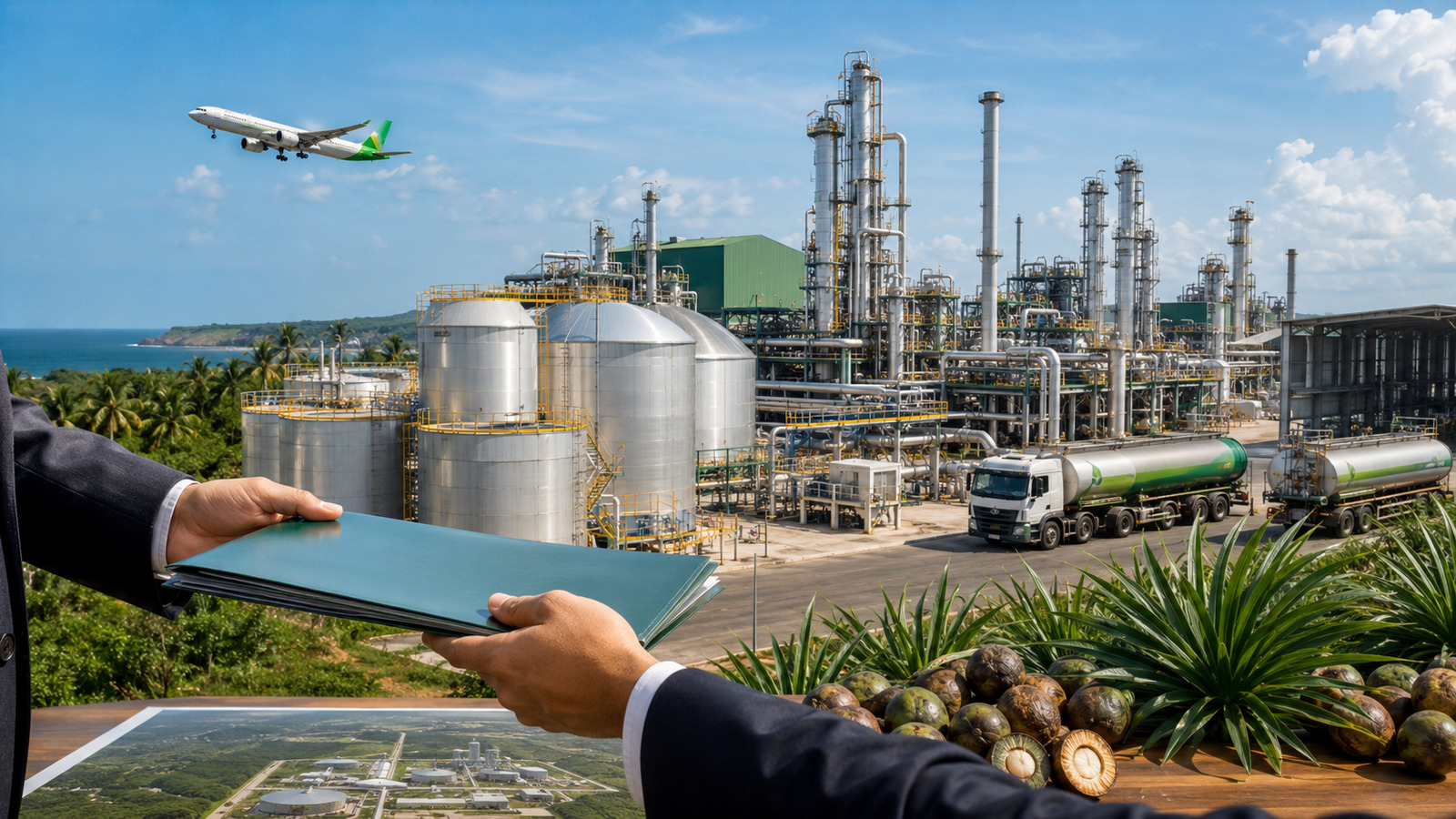
On March 26, 2025, a significant milestone occurred in Suape, Brazil. The Suape II power plant, in collaboration with Wärtsilä Corporation, initiated a global energy revolution. This project promises to be the first major achievement of its kind, utilizing ethanol as an efficient biofuel. Thus, it aims to transform the energy industry by positioning ethanol in the spotlight as a clean and viable alternative.
The partnership with the energy company Energética Suape II S.A. aims to establish new frontiers in the efficient use of natural resources. The transformation of sugarcane into a sustainable energy source not only benefits Brazil but also broadens a new global vision on the use of ethanol. This locally produced biofuel strengthens the economy and promotes innovation within the energy sector.
First Initiative in the Use of Ethanol in Power Plants
The activities initiated in March 2025 mark the so-called ‘first initiative’ in the use of ethanol as a biofuel on an international scale. This innovative project highlights its crucial role in combating climate change by reducing carbon emissions and pollution. The future of the planet may depend on this crucial step, positively reverberating across various spheres of society.
-
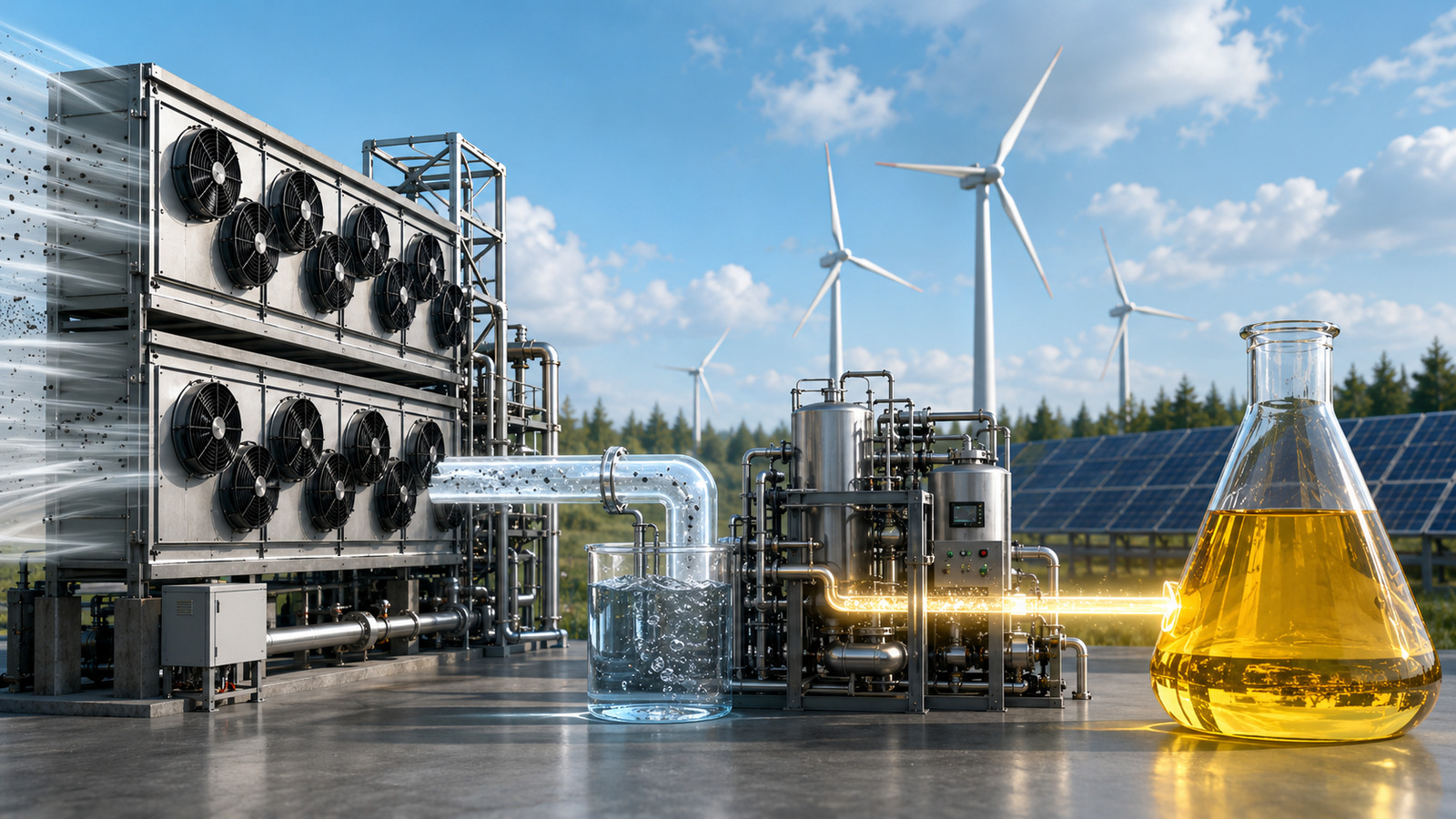
Swedes manage to create synthetic fuel with CO₂, water, and renewable energy, compatible with current engines, but face a huge problem: the energy expenditure is still double the return.

-
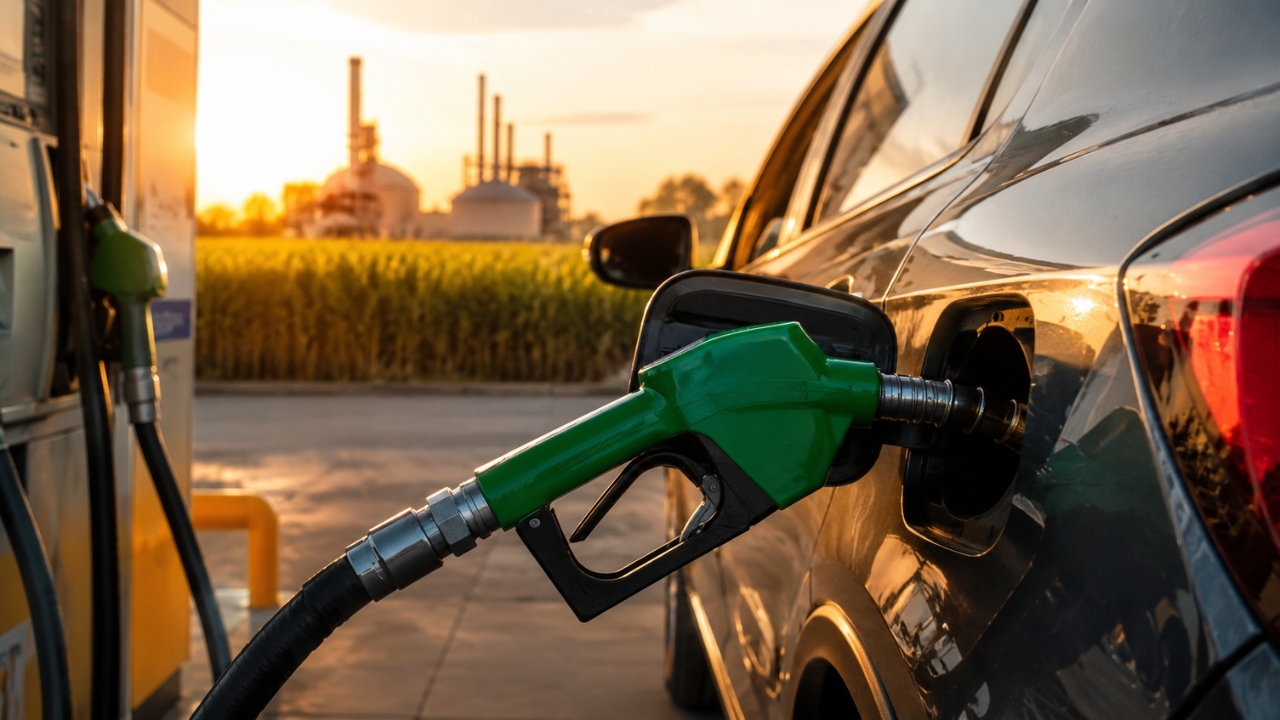
Brazil begins to transform wheat, residues, sweet potatoes, and soy molasses into ethanol, in a new phase of biofuels that seeks to utilize leftovers from the field and industry to fuel flex-fuel cars.

-
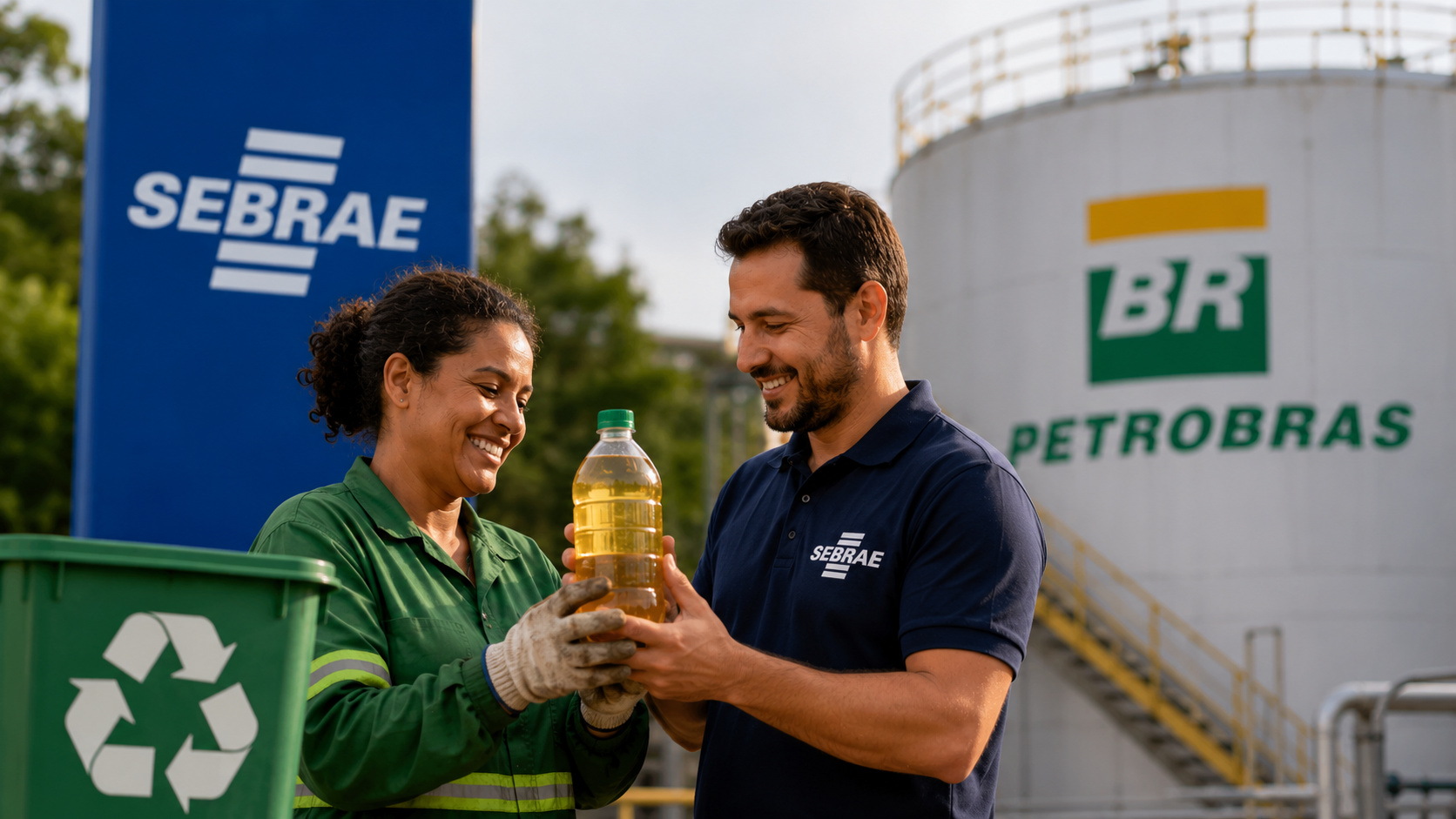
Sebrae and Petrobras join forces in Ceará to include waste pickers in the circular economy and strengthen the biofuel chain, creating new income opportunities and expanding the sustainable use of waste with a direct impact on regional development.

-
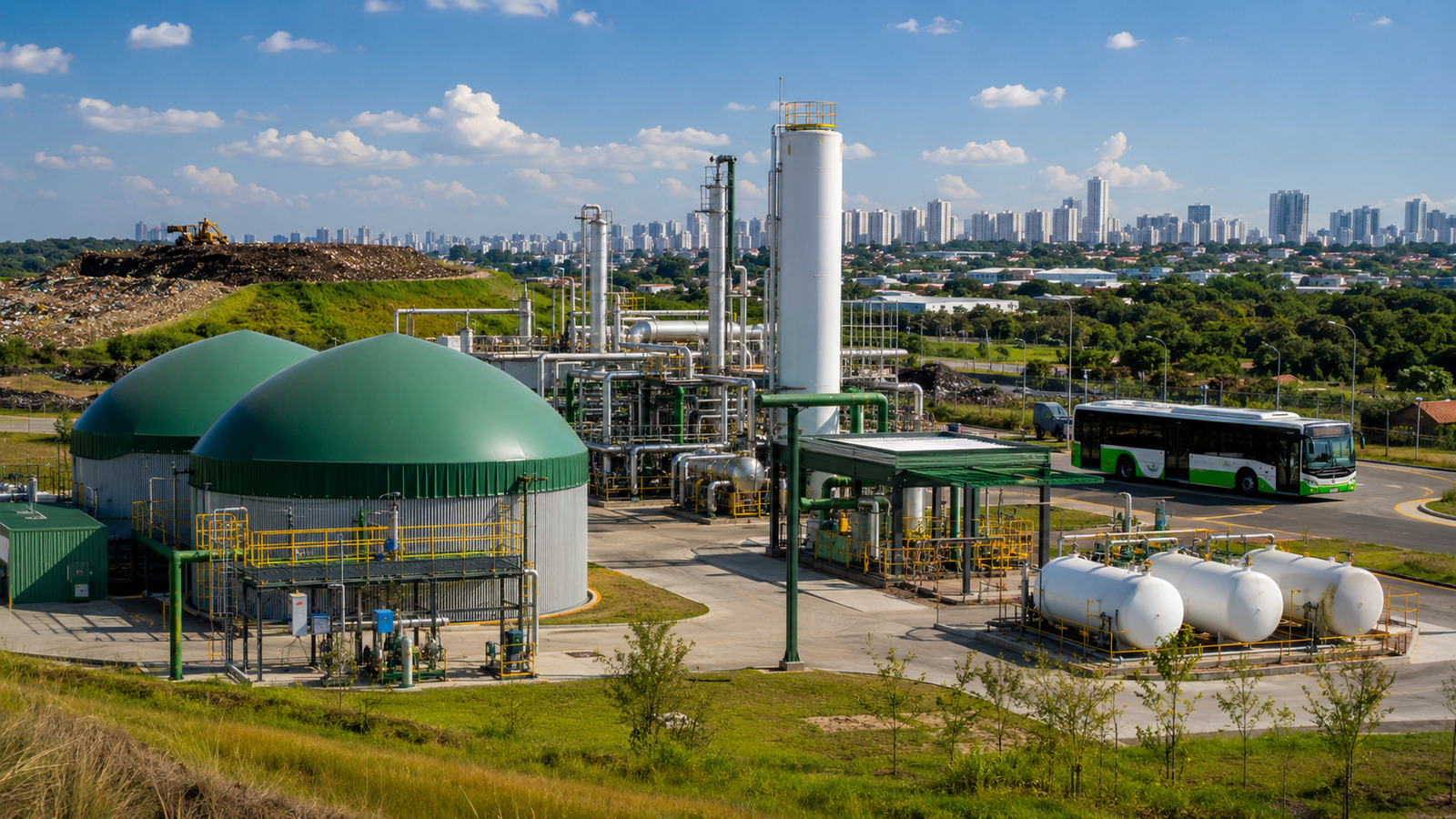
São Paulo teaches the world about biomethane: record production can supply 2.8 million homes and replace 4,000 diesel buses

The efforts of Wärtsilä Corporation to align cutting-edge technology with environmental concerns demonstrate how the energy industry can evolve. With strategy and innovation, ethanol emerges as a concrete solution to environmental challenges. The commitment to technologies that favor sustainable growth reaffirms the dedication of those involved to the future of our planet.
This undertaking, being a pioneer in converting sugarcane into a powerful energy source, not only brings economic benefits but also inspires new generations. The use of ethanol on this scale symbolizes a paradigm shift and encourages other places around the world to follow this example.
Impacts and Future of Ethanol Biofuel
As we see the increase in enthusiasm and adoption of these technologies, the success of this initiative could signify a new era for the energy sector. It has been documented that the choice of biofuels not only mitigates environmental impacts but also drives regional economic progress. Companies and governments are turning to the development of policies that encourage the responsible use of ethanol, viewed as vital for future generations.
In summary, this alliance between companies and the Brazilian government, initiated in 2025, is shaping a new perspective for the supply and use of energy globally. The use of ethanol as a viable alternative has the potential to stimulate innovative and cost-effective ways to address the energy problem while promoting environmental conservation and social justice.
Pioneering Initiative in Energy Generation with Ethanol
Primarily dominated by the Economic Group 4M, an innovative initiative is being launched to test clean electricity generation using ethanol as the main vector. This biofuel, largely derived from sugarcane, will be at the center of a groundbreaking test at the Suape II power plant located in Recife (PE). The goal is to be the first global test using an exclusive ethanol engine for electricity generation on a larger scale.
In the first quarter of 2025, Wärtsilä officially registered this ambitious project. On a global scale, Brazil leads both in the production and consumption of ethanol derived from sugarcane, highlighting its untapped potential as a clean energy source. This project aims to demonstrate the viability and significant potential of ethanol, drawing the attention of consumers, authorities, and policymakers.
Giant Potential of Biofuel in Brazil
The first initiative was propelled by Carlos Alberto Mansur Filho, a shareholder of the Economic Group 4M, who seeks to promote clean and stable energy. His choice for a partnership with Wärtsilä reflects a values alignment focused on innovation and sustainable solutions. According to the International Energy Agency’s (IEA) perspective for the net zero emissions target by 2050, global usage of biofuels, such as ethanol, is expected to nearly double by 2030, rising from around 700 TWh generated electrically in 2023 to approximately 1,250 TWh in 2030.
Dispatchable bioenergy, along with technologies such as solar and wind, offers a viable solution to maintain low-emission energy. This test reinforces Wärtsilä’s ongoing commitment to create future-oriented engines optimized to operate with a variety of sustainable fuels, playing a crucial role in the energy transition while minimizing cost and environmental impact.
WISE Program and the Advancement of Ethanol
Participating in the WISE (Wide and Intelligent Sustainable Energy) program, Wärtsilä leads this initiative, co-financed by the official Finnish agency Business Finland, dedicated to trade, investment, and innovation. Although Brazil is a world leader in ethanol production, its potential in electric generation is still underutilized. This project aims to reverse this reality with several thousand hours of testing, demonstrating how ethanol can integrate into the future of the national electricity system. Such movement is only viable due to the solid collaboration with Wärtsilä and the vital support from Business Finland, as foreseen by José Faustino Cândido, Technology Director of Energética Suape II S.A.
Ethanol in the Capacity Reserve Auction
The Brazilian federal government has already begun to consider ethanol as a fuel option in the upcoming capacity reserve auction, scheduled for 2025. Considered an exclusive local biofuel, the inclusion of ethanol plants as part of the authorized technologies for energy generation in Brazil translates into economic benefit for the government. With sustainable and adaptable solutions, the country can provide energy in an accessible and reliable way to the population, as explained by Carlos Alberto Mansur Filho, a shareholder of the Economic Group 4M. The agreement provides that Wärtsilä will conduct up to 4,000 hours of testing with the Wärtsilä 32M engine over a two-year period, starting in April 2026, to ensure maximum efficiency and reliability.
Pioneering the Energy Transition with Ethanol
This project could mark the beginning of a promising horizon in the use of ethanol as a major energy source in Brazil. Ethanol now comprises the fuel options in the capacity auction scheduled for June 2025. ‘This action could be revolutionary in clean energy solutions and in transforming the future of sustainable energy generation, reducing greenhouse gas emissions and decreasing reliance on imported fossil fuels’, highlights Anders Lindberg, President of Wärtsilä Energy. Ethanol thus has the potential to be a crucial element in energy decarbonization, thanks to its global availability, easy transport, and broad scalability. Wärtsilä commits to operating and maintaining the engine through an Operation and Maintenance (O&M) Contract with Energética Suape II S.A.
The contract was formalized in the fourth quarter of 2024, with a two-year renewal to ensure reliable supply and optimized performance throughout the duration of the power purchase agreement (PPA), which will extend until the end of 2026.
Source: WÄRTSILÄ Press




Be the first to react!