






 Portuguese
  Spanish
  2 min of reading
  0 comments


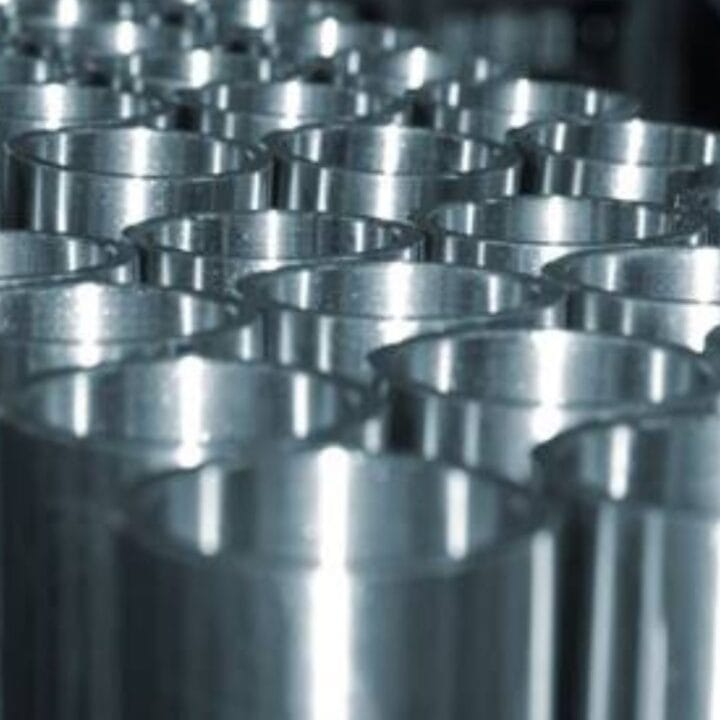
The Impact of Technology and Sustainability on Brazilian Metalworking
The metalworking sector, one of the main pillars of Brazil’s economy, is reinventing itself and standing out in the industrial market. According to a study by the National Confederation of Industry (CNI), this segment employs more than 200,000 people and contributes about 3.1% of the national Gross Domestic Product (GDP). With growth expectations aligned with GDP in 2024, projected at 1.7%, the metalworking sector aims to maintain its relevance through investments in technological innovations and sustainability.
The industry is focused on maintaining productive efficiency, investing in innovative management systems and modern machinery. The concept of “figital”, which merges the physical and digital, is a growing trend. After the pandemic, metalworking companies are returning to value physical points of sale, without neglecting the strong impact of digital, especially on e-commerce platforms.
Artificial Intelligence and Energy Efficiency: Keys to the Future
Artificial Intelligence (AI) is already present in the commercial sector, especially on e-commerce platforms. However, its application in production is still limited. Metalworking companies are focused on investing in intelligent machines and solutions for the factory floor, aiming to reduce dependence on operators and increase productivity.
-
Bolivian Female Construction Workers Form Association to Combat Discrimination and 38% Pay Gap in the Industry

-
Near Amsterdam, residents buy land and discover they must also build streets, manage drainage, handle waste, and grow food on half their plot.
-
Without a mansion, without high investment, and without a traditional classroom, a teacher living in a 22 m² house taught students to build a 9 m² studio apartment with the equivalent of R$10,000.
-
Without her own home and pressured by rent, a 25-year-old bought a small 15-meter boat, gradually renovated the interior by herself, transformed the interior with paint, new flooring, a larger bathroom, and started living on the canals, paying much less per month.


Another central concern of the sector is energy efficiency. Being the largest energy consumer in the country, the metalworking industry is attentive to optimizing energy consumption, aiming to reduce costs and improve production. The growth of the alternative energy market and the migration to the Free Energy Market (MLE) are strategies being adopted by many companies, seeking more transparency and economic advantages.
In summary, a single, disruptive trend is not expected for the metalworking sector in 2024. However, the agendas of technological innovation, energy efficiency, and sustainability will solidify even further. For companies in the sector, understanding and implementing these trends will be essential to align productivity, strategic governance, and sustainability.
Source: Christian Speyer.








Be the first to react!