






 Portuguese
  Spanish


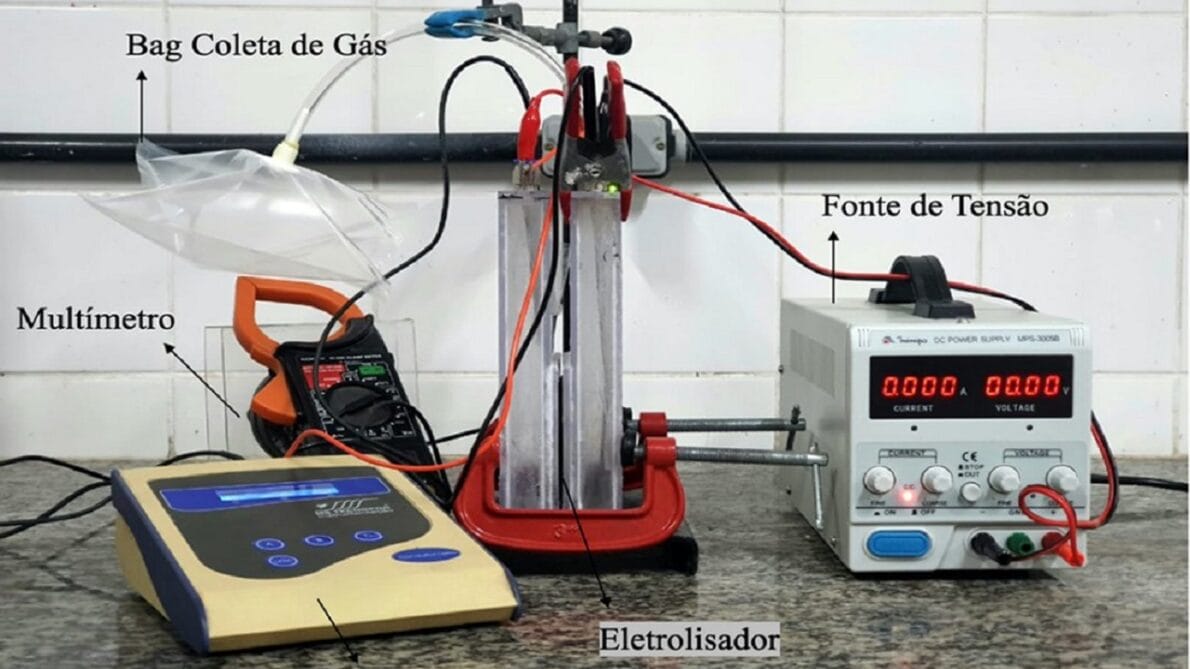

UFC Researchers Develop Technology to Extract Green Hydrogen Using Shrimp Shells: Electrolyzer Uses Chitosan Membrane.
Researchers from the Federal University of Ceará (UFC) have developed an innovative, cheaper, and renewable technology for extracting green hydrogen. This alternative energy source to fossil fuels, such as oil and coal, aids in combating global warming.
Understand How the Technology That Extracts Green Hydrogen with Shrimp Shells Works
Santino Loruan and other researchers have developed a chitosan membrane for use in electrolyzers that separate water (H2O) into its constituent molecules, hydrogen (H2) and oxygen (O). The hydrogen becomes fuel gas and can be used as an energy source for direct combustion or for electricity generation in fuel cells.
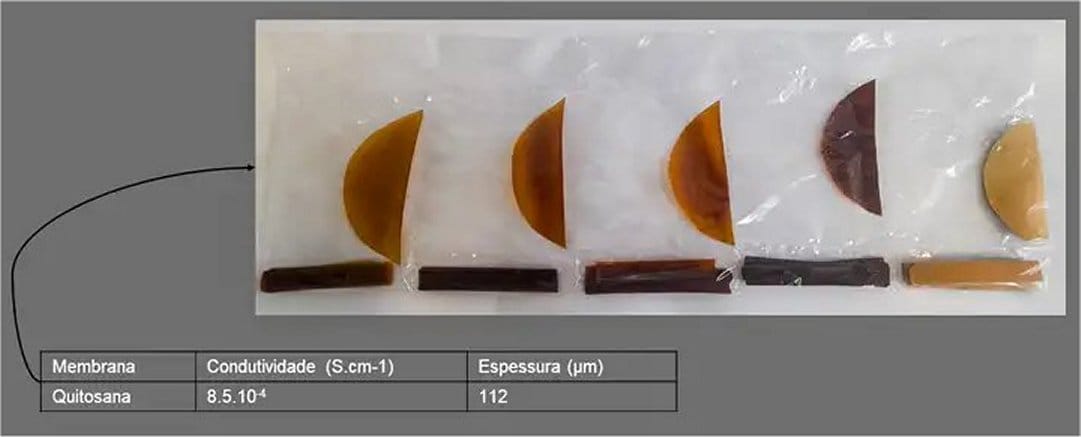
[Image: LAMEFF/UFC]
Chitosan is a biologically-based polymer, abundant, renewable, and easy to obtain, found in the shells of shrimp and other crustaceans. Along with chitin, this material has been used in various applications, including solar cells, filters for heavy metals, biodiesel, and even a new class of composites.
-
She spent 73 years breathing inside an iron lung, survived the aftereffects of polio, and became the last woman in the United States dependent on the equipment before dying at 78 years old.

-
Brazilian students created a $1 filter using pine bark, cotton, and 3D-printed parts to clean cassava wastewater, reduce the toxicity of a hazardous waste, and transform contaminated water into biofertilizer.

-
Astronaut from Artemis II steps down after mission to the Moon and decision surprises after a record of 406,771 km, a historic 10-day journey, and an unprecedented achievement for Canada.

-
A fossil kept for years in a small museum in Montreal concealed 450-million-year-old soft tissue, a discovery that has only happened once before in history.


The chitosan membrane for separating green hydrogen was made from shrimp and crab shells and replaces an imported and more expensive synthetic membrane (Nafion). Unlike the Nafion membrane, the chitosan membrane does not pollute the environment when discarded.
The membrane that extracts green hydrogen with shrimp shells is used as a separator between the electrodes of a piece of equipment called an electrolyzer, which performs electrolysis of water. There are several types of electrolyzers, and in the field of hydrogen production, the most used types are proton exchange membrane (PEM) electrolyzers and solid oxide (SOEC) electrolyzers.
Green Hydrogen with Shrimp Shells Patented by UFC
In this research, the electrolyzer that extracts green hydrogen with shrimp shells was powered by solar energy, making the entire process environmentally sustainable, and thus, the fuel produced is called green hydrogen. When generated by solar energy, hydrogen becomes a clean energy vector.
According to one of the researchers, Professor Ênio Deus, hydrogen, in fact, has no color. It is an inert and colorless gas, the most abundant element in the atmosphere. It is green because it is obtained from renewable sources.
The chitosan membrane that extracts green hydrogen with shrimp shells has been patented by the Federal University of Ceará. According to the researcher, this membrane has been patented and is now a product, a national technology that enters the market and competes with other membranes.
The invention of the membrane will be one of the innovations presented at the International Conference on Renewable Energy Technologies (Citer), which will take place from June 3 to 5 in Teresina (PI).
What Will the Event Presenting the Product Be Like?
The conference will bring together 180 speakers from various countries in 45 hybrid-format panels (both in-person and remote participation). The organizers expect the conference to attract 10,000 attendees, including entrepreneurs who may be interested in the industrial production of the membrane created by UFC researchers and other Brazilian innovations.
The entry is completely free and, in addition to entrepreneurs, researchers and experts in renewable energy expect to attract a lay audience that may have an interest in science.
According to Ana Paula Rodrigues, president of the Institute of International Cooperation for the Environment and one of the conference’s creators, it is necessary to provide access to the population regarding scientific production to contribute to raising awareness about the importance of science and technology for Brazil’s advancement and humanity’s development.









Daqui a pouco alguém desse desgoverno vai lá e prende tudo isso, só pra não perder o dinheiro dos combustíveis na Petrobras.