Portuguese
  Spanish


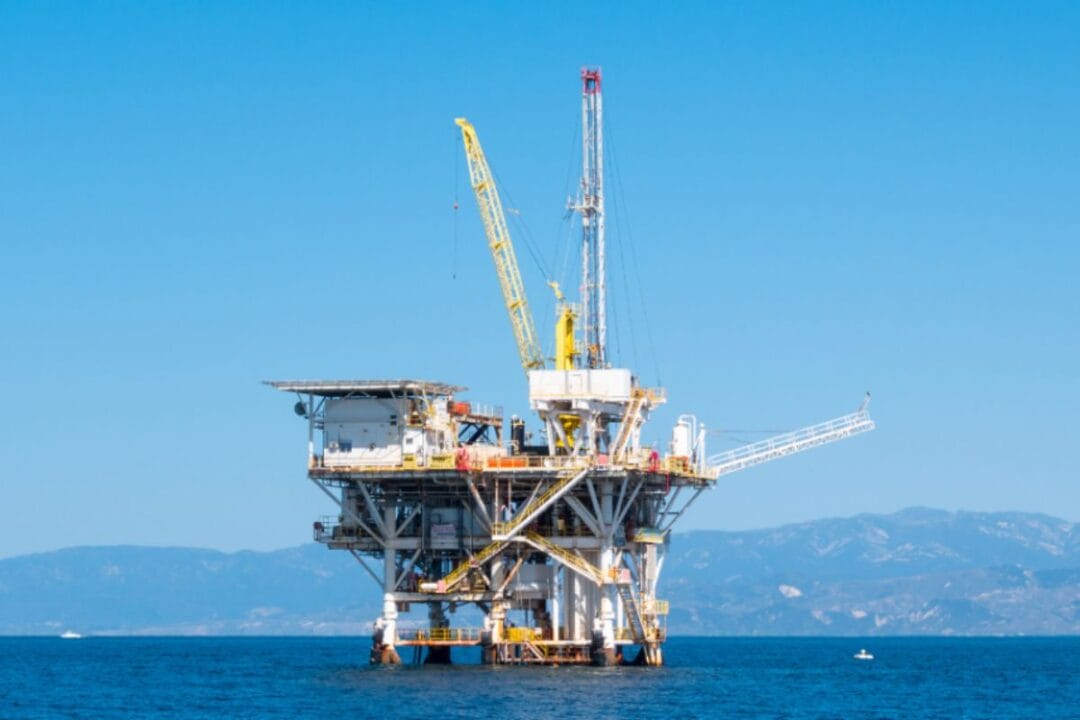

Submarine Technologies Ensure Safe Oil Extraction at Depths Exceeding 3,000 Meters.
Offshore wellhead facilities are critical systems for oil exploration in deep waters. According to the National Petroleum Agency (ANP), more than 75% of Brazilian offshore production depends on these structures, which withstand pressures of up to 15,000 psi and operate at depths exceeding 3,000 meters. Designed to connect underwater reservoirs to production platforms, they ensure efficiency and safety in fields such as Búzios and Tupi.
Key Components of Offshore Wellhead Facilities
The offshore wellhead is the structural core, responsible for supporting casing columns and maintaining the integrity of the well under extreme pressures. Attached to it, the Christmas Tree regulates the flow of hydrocarbons with high-precision valves, preventing leaks.
Subsea control systems, operated through electro-hydraulic umbilicals, allow for remote real-time adjustments. Stainless steel flowlines transport fluids to processing units, while subsea collectors integrate multiple wells into single networks.
-
Petrobras Approves $1.2 Billion Refinery in Brazil to Produce Aviation Fuel and Diesel from Plants

-
Petrobras Secures $2.2 Billion Contract to Build and Operate Four Support Vessels for Brazil’s Offshore Oil Fields
-
Oil production grows in Rio, but reserve replacement raises a warning sign

-
Petrobras is expected to complete the drilling of the Morpho well in the Foz do Amazonas in August 2026, the first well in the Equatorial Margin, an oil frontier that the ANP estimates at more than 30 billion barrels and could redraw the map of Brazil.


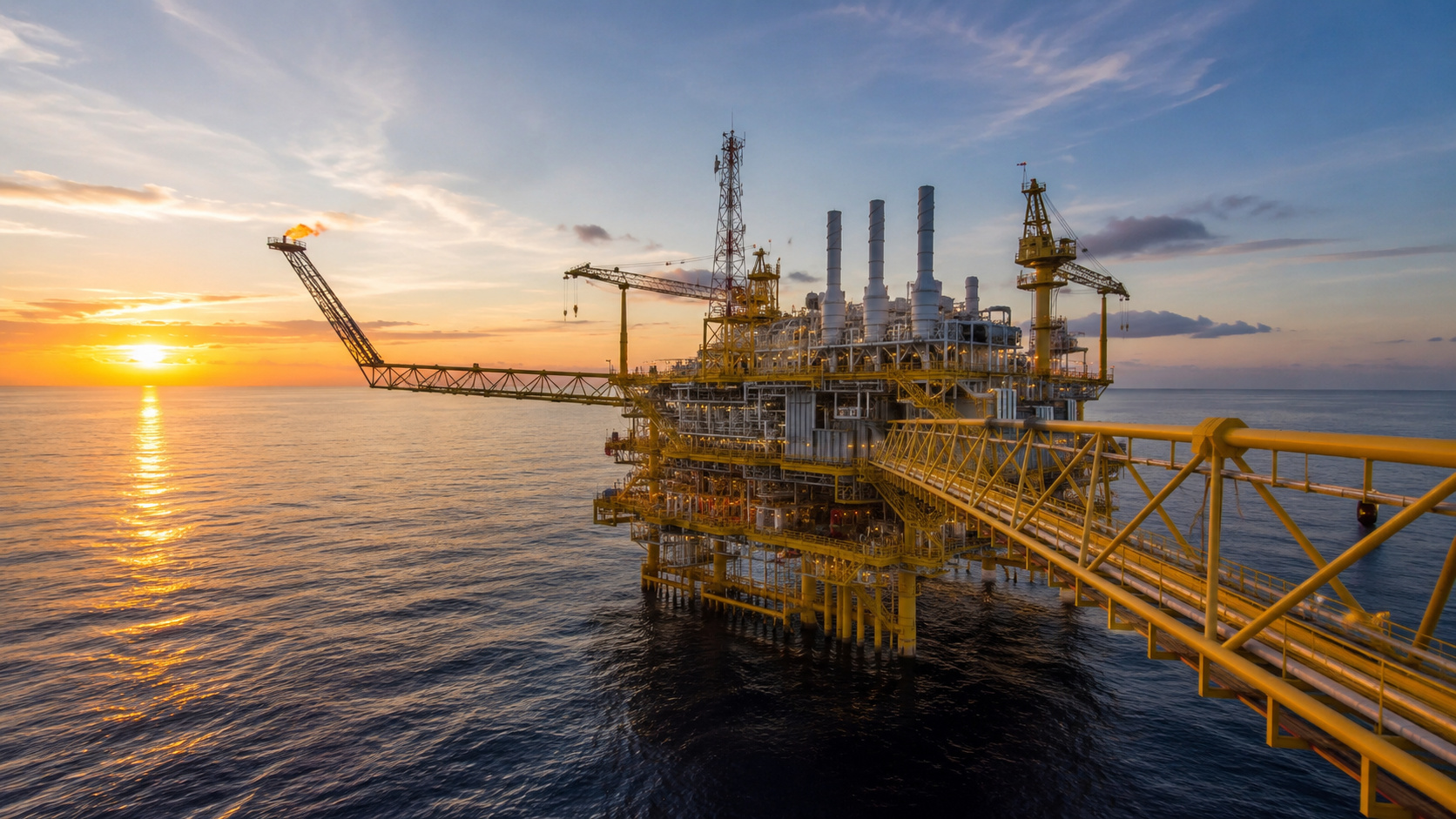

Technology Increases Efficiency by 40% in Production Control
Modern offshore wellhead facilities utilize temperature and pressure sensors to optimize the flow rate of oil and gas. Data from Petrobras reveals that automated systems have reduced intervention times in Pre-Salt wells by 30%, increasing operational efficiency by 40%. Additionally, safety modules such as quick shut-off valves (ESD) interrupt the flow in milliseconds in case of anomalies.
Challenges Include Corrosion and Investments of US$ 2 Billion Per Project
Operating offshore wellhead facilities requires overcoming hostile environments. Corrosion from saltwater demands special titanium coatings, which raise costs by 25%. Depths exceeding 2,500 meters require ROVs (remotely operated vehicles) for maintenance, with availability rates above 95%. Standards such as ISO 13628-1 require semi-annual pressure testing, while the ANP oversees contingency plans for leaks.
Companies like Equinor and Shell are already testing intelligent wellheads with AI to predict failures. In Brazil, pilot projects are using digital twins to simulate critical scenarios, reducing risks by 20%. The trend is to integrate offshore wellhead facilities into subsea energy networks, increasing autonomy in ultra-deep fields.