






 Portuguese
  Spanish


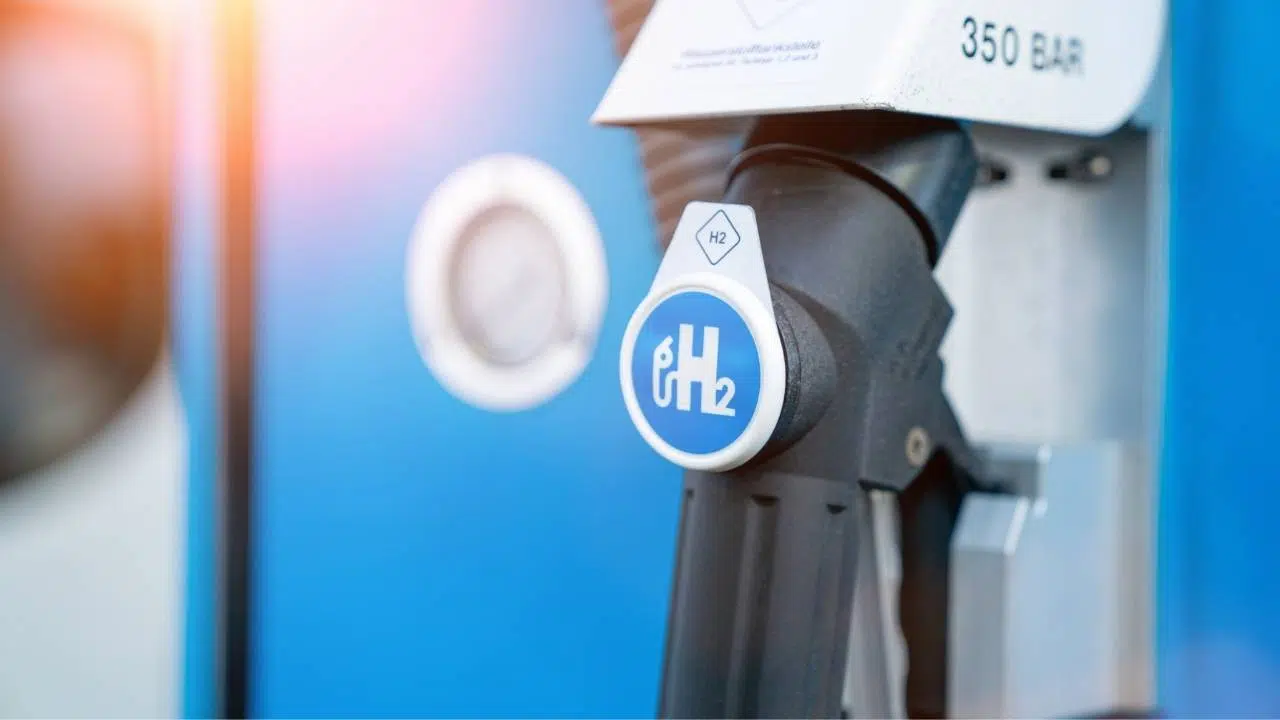
In the Prado Neighborhood, in the West Zone of Greater Recife, an organization has been thinking about energy efficiency and has been offering various actions, such as drone charging and hydrogen fuel for cars. For them, this attitude is essential for a better future.
The Advanced Institute of Technology and Innovation (IATI), a private non-profit organization, aims to consolidate its role in research and development projects for companies in the energy sector and has already amassed over R$100 million in production. Today, the organization has conducted various innovative research projects for the use of green hydrogen, especially from the Port and Industrial Complex of Suape, indicating that, going forward, the region may make use of new energies and seek more environmentally responsible sources.
This is because it was through a product developed by the organization that oil residues found on various beaches in the Northeast were removed from rocks and the marine ecosystem, using a biogel that began to be studied 20 years ago. Currently, this product has been adapted for new uses, potentially reaching even small sizes at places like mechanic shops and small industries. In this way, it is possible to replace denser oils, which require extensive cleaning due to their polluting nature.
Institute in Recife Develops Research on Green Hydrogen
The IATI is also developing research for new uses of green hydrogen, which should be produced from the plants being installed at the ports of Suape and Pecém. In total, the organization has 4 projects focused on green hydrogen in the cooling and mobility sectors. At the Port of Pecém, in Ceará, there is an investment exceeding R$45 million for the joint efforts of IATI with EDP and Hytron Energia. In Pernambuco, two projects are already underway, indicating that green hydrogen will be used in both the cooling and mobility sectors.
-
Uber Black Revamps Fleet, Drops Ten Car Models and Sets Deadline for Electric BYD Dolphin

-
Chinese Giant Uses Metal Structures and Cranes to Deliver Over 700 Electric Cars to Brazil

-
Uber Faces Shareholder Scrutiny as Board Accused of Ignoring Safety, Compliance, and Harassment Warnings Amid Over 3,500 U.S. Lawsuits
-
Ferrari’s First Electric Car Divides Fans, Priced at $630,000, Amid Concerns Over Limited Editions; Brand Clarifies It’s Not Just for Future Perks


In partnership with Termopernambuco, IATI has teamed up with Hytron Energia to use green hydrogen for cooling the thermoelectric plant, with investments exceeding R$18 million. The project also includes the creation of a hydrogen fuel charging station for cars, for use in forklifts, which are currently gas-powered. Additionally, in partnership with energy company Suape II, IATI intends to use green hydrogen alongside diesel to power the plant’s engines. Although there is no information on the proportion of each fuel for engine activation, the research conducted by IATI found a cost reduction of around 10%, with a decrease of 30% in pollutant emissions.
In the future, the organization intends to offer savings to other vehicles by mixing hydrogen with other fuels, such as gasoline or ethanol. In this way, in the future, the reduction in green hydrogen prices could become a reality for the state. Additionally, there was a project to develop an inductive system for drone charging alongside the electricity transmission network electricity, in partnership with Neoenergia. For this, the drone is charged while in use by proximity to the electricity generated in the wiring.








Be the first to react!