






 Portuguese
  Spanish
  4 min of reading
  0 comments


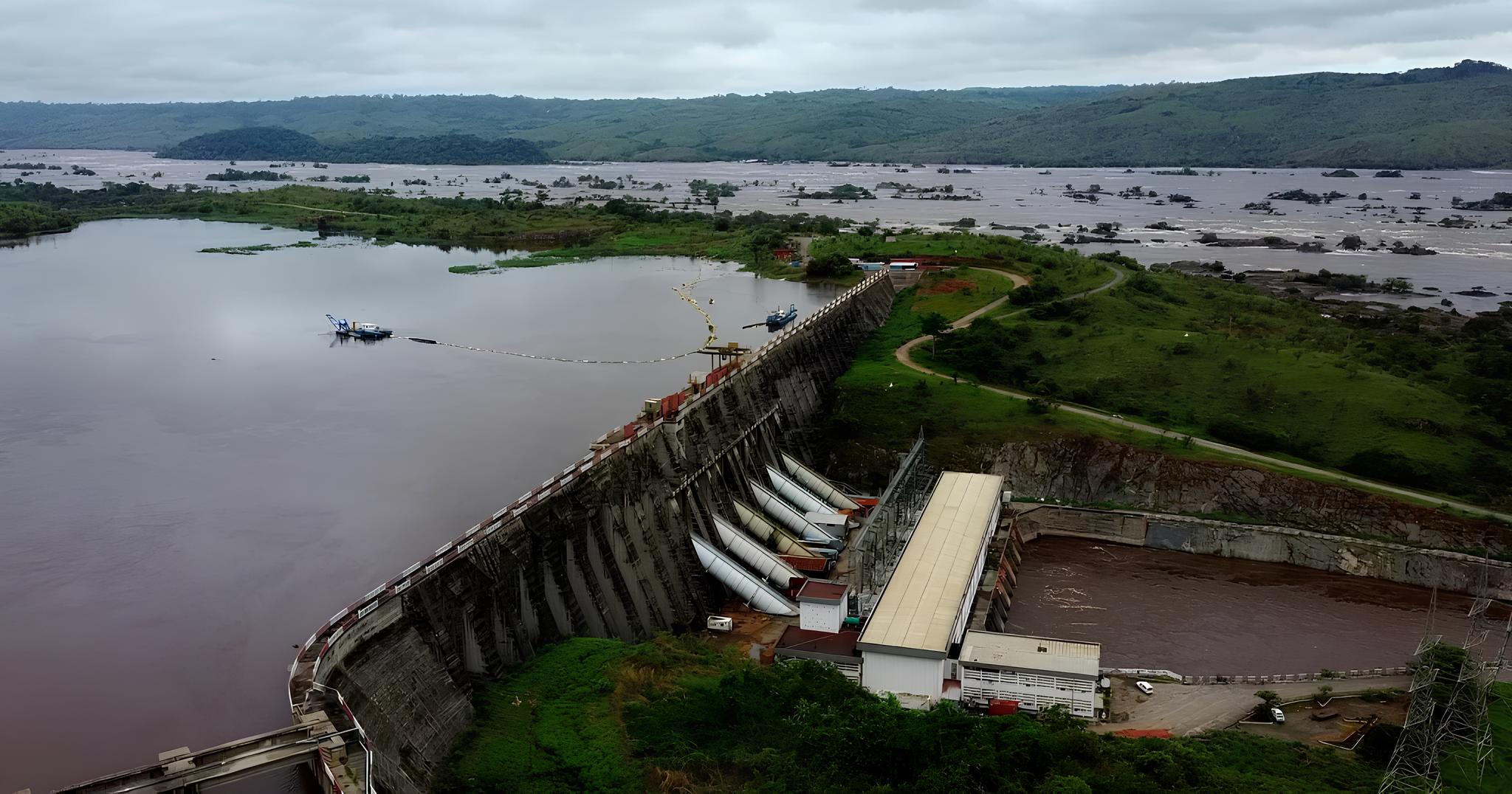
Largest Hydroelectric Power Plant in the World, with 40,000 MW — Twice That of Itaipu, the Grand Inga Megaproject Promises to Transform the Congo River into an Energy Giant and Supply Half of Africa.
In the heart of the African continent, in a region marked by lush nature and structural challenges, one of the most ambitious projects in modern engineering history is being planned: a hydroelectric power plant with a projected capacity of 40,000 megawatts (MW), double the generation of Itaipu Dam, which held the title of the largest in the world for decades until it was surpassed by the Three Gorges. The undertaking, known worldwide as Grand Inga Dam, promises to revolutionize Africa’s energy system and is expected to power up to 500 million people when fully operational.
The studies for its construction have been discussed for over two decades, with the support of multilateral institutions and international energy consortia. The chosen site is one of the most voluminous and powerful stretches on the planet, with an average flow of over 42,000 cubic meters of water per second, surpassing the magnitude of large rivers such as the Amazon and the Mississippi. The energy from the natural movement of the falls will be converted into clean and low-cost electricity, ushering Africa into a new era of energy independence.
The Largest Hydroelectric Potential on the Planet
The structure planned for the dam is colossal. According to technical documents released by the World Bank and the International Rivers Organization, the project envisions multiple construction phases, known as Inga I to Grand Inga VIII, each adding new turbines and reservoirs.
-
Bolivian Female Construction Workers Form Association to Combat Discrimination and 38% Pay Gap in the Industry

-
Near Amsterdam, residents buy land and discover they must also build streets, manage drainage, handle waste, and grow food on half their plot.
-
Brazil’s WEG to Open New Factory in China by 2027, Expanding Production of Large Rotating Electric Machines and Low to Medium Voltage Motors in Rugao

-
Chinese Shipyard Secures $1 Billion in Orders for Low-Carbon Container Ships Amid Global Fleet Renewal Efforts


When completed, the complex will be capable of generating nearly 100 million megawatt-hours per year, enough to feed over 40 African countries simultaneously.
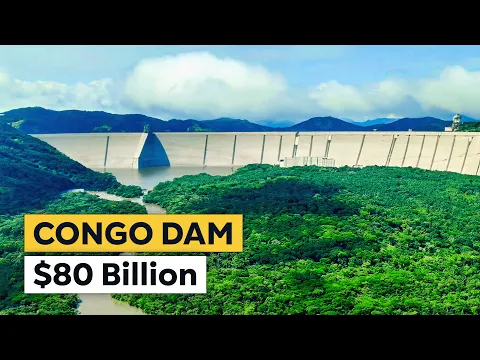

The total investment, estimated at US$ 80 billion (over R$ 400 billion), places the project among the five most expensive infrastructure undertakings in the world, alongside landmarks such as The Line (Saudi Arabia) and the railway expansion of the Belt and Road Initiative (China).
In addition to energy generation, the megaproject envisions the creation of a network of high-voltage transmission lines over 5,000 kilometers, connecting electricity production to the main capitals and industrial zones of the continent, including mining regions and urban centers that heavily rely on fossil fuels.
A Continental Project with Global Ambition
The grandeur of the dam is not only limited to engineering, but also to the geopolitical impact it may provoke. The plan is to transform the host country, which houses the Congo River, the second largest in the world by flow, into a clean energy exporting hub, supplying electricity to southern, eastern, and western Africa.
Countries like South Africa, Nigeria, Angola, and Kenya have already expressed interest in joining the future continental “electric ring.”
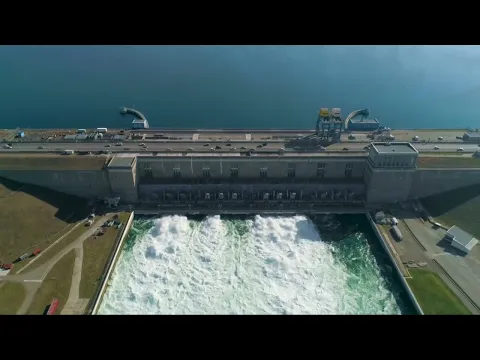
The World Energy Council estimates that, if completed, Grand Inga could reduce coal use in Sub-Saharan Africa by 40% and eliminate dependence on fossil fuel power plants in at least ten countries. This would mark the largest leap in sustainability ever recorded in the continent’s energy history.
Monumental Technical and Environmental Challenges
Despite its transformative promise, the megaproject faces significant obstacles. The volume of investment required is enormous, and negotiations among governments, companies, and international financial institutions have dragged on for years.
Additionally, environmentalists warn of the potential impacts of construction on aquatic life and riverine communities.
Reports from International Rivers indicate that dozens of villages may need to be relocated if the project advances on a large scale.
In response, the engineers in charge argue that construction will follow modern environmental criteria, prioritizing damage mitigation and utilizing the river’s natural flow, avoiding large floods — a model inspired by the new sustainable dams in Norway and Canada.
Symbol of Rising African Power
Even before its completion, Grand Inga is already seen as a symbol of Africa’s energy potential and a reminder that the continent has resources capable of supporting its own development.
For many experts, this represents a historic turning point: the same river that has been a route for exploration and colonial trade for centuries could become the pillar of regional autonomy and prosperity.
Engineers assert that, with modern technology and political stability, the first phase of the power plant could be operational by the early next decade, paving the way for the complete complex in the following decades.
When that happens, the world may witness the birth of a new record — a hydropower plant twice the size of Itaipu, powered by the sheer force of one of the most powerful rivers on the planet.
Grand Inga is more than a construction project: it is a metaphor for the strength of a continent in reconstruction. An Africa that not only consumes energy, but also produces it on a global scale, driven by the same element that gave rise to life: water.





Be the first to react!