






 Portuguese
  Spanish


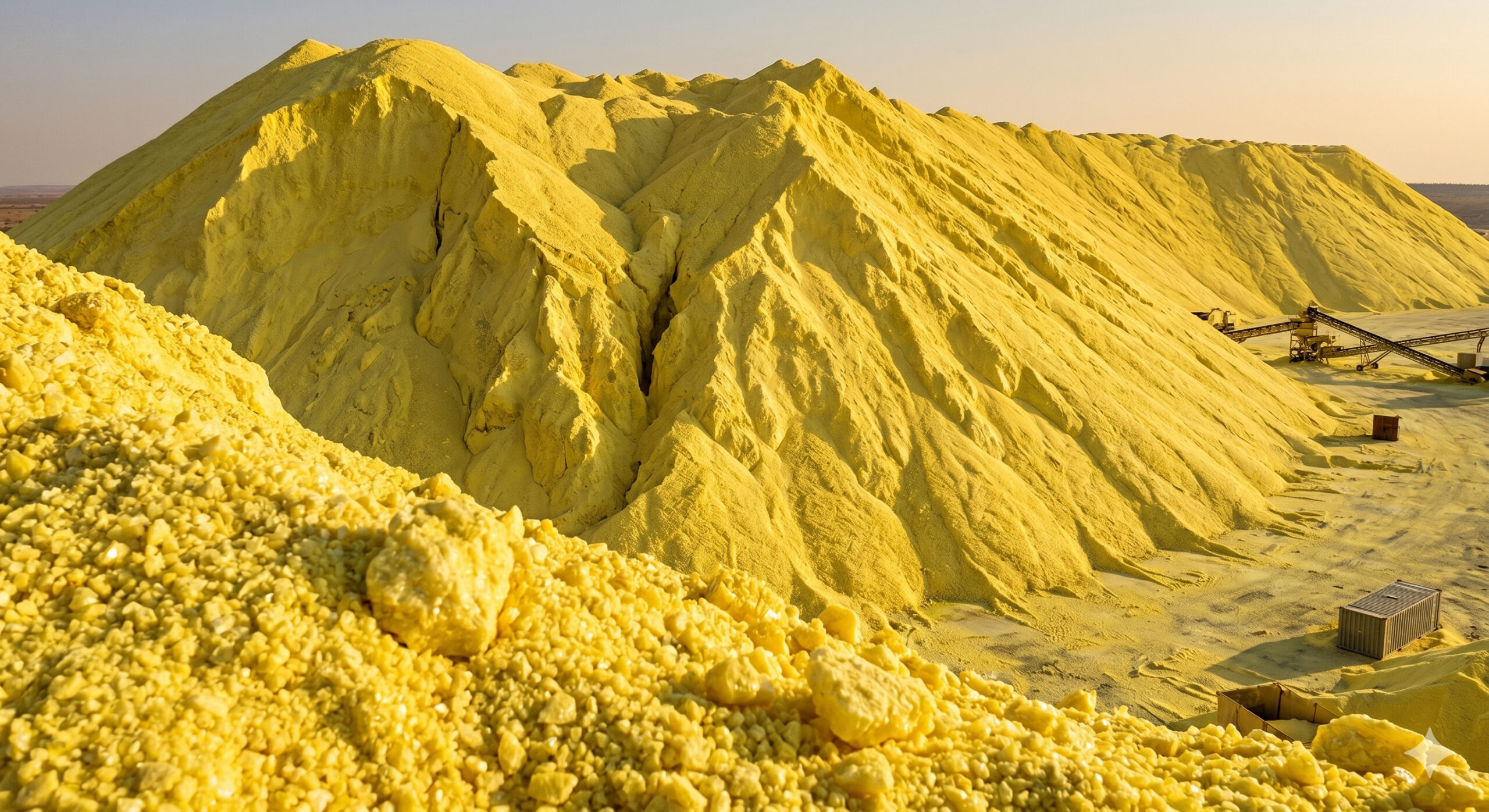

Sulfur shortage threatens copper and nickel production and may impact batteries, fertilizers, and energy worldwide.
On April 17, 2026, reports from the international agency Reuters highlighted a little-discussed risk outside the industrial sector: the global sulfur shortage has begun to directly affect the production of strategic metals such as copper and nickel, essential inputs for the energy transition, battery manufacturing, and electrical infrastructure. The warning comes at a time when demand for these metals is rapidly increasing, driven by electric vehicles, renewable energies, and the expansion of electrical grids. However, an apparently secondary component — sulfur — has begun to become a limiting factor for global production, revealing a structural fragility in modern industrial chains.
The warning gained strength because an apparently secondary material began to reveal a structural fragility of the energy transition: without sufficient sulfur, the production of essential metals may also become more expensive or slow down. According to Reuters, producers from the Democratic Republic of the Congo, Chile, and Indonesia are among the most exposed, while China decided to restrict exports of sulfuric acid starting May 1, 2026, and India was considering limiting sulfur exports in light of rising prices and falling imports from the Middle East.
On April 21, Reuters also reported that Goldman Sachs warned of additional risks to copper if the sulfuric acid shortage persists, with the potential to affect operations that represent 17% of the global copper supply.
-
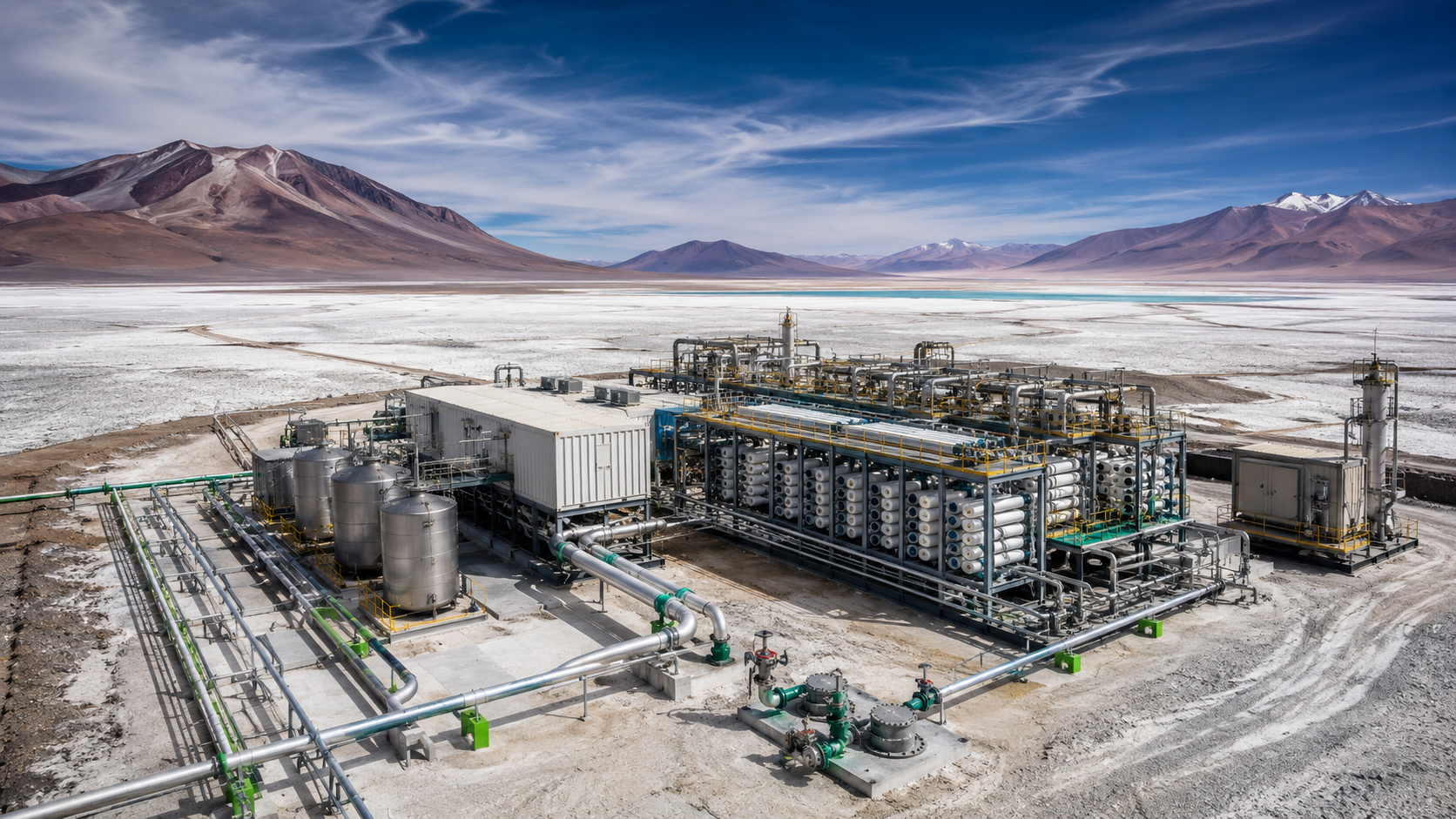
Eni Acquires 25% Stake in Chilean Lithium Project, Plans to Invest Up to $225 Million in Eco-Friendly Extraction Method

-
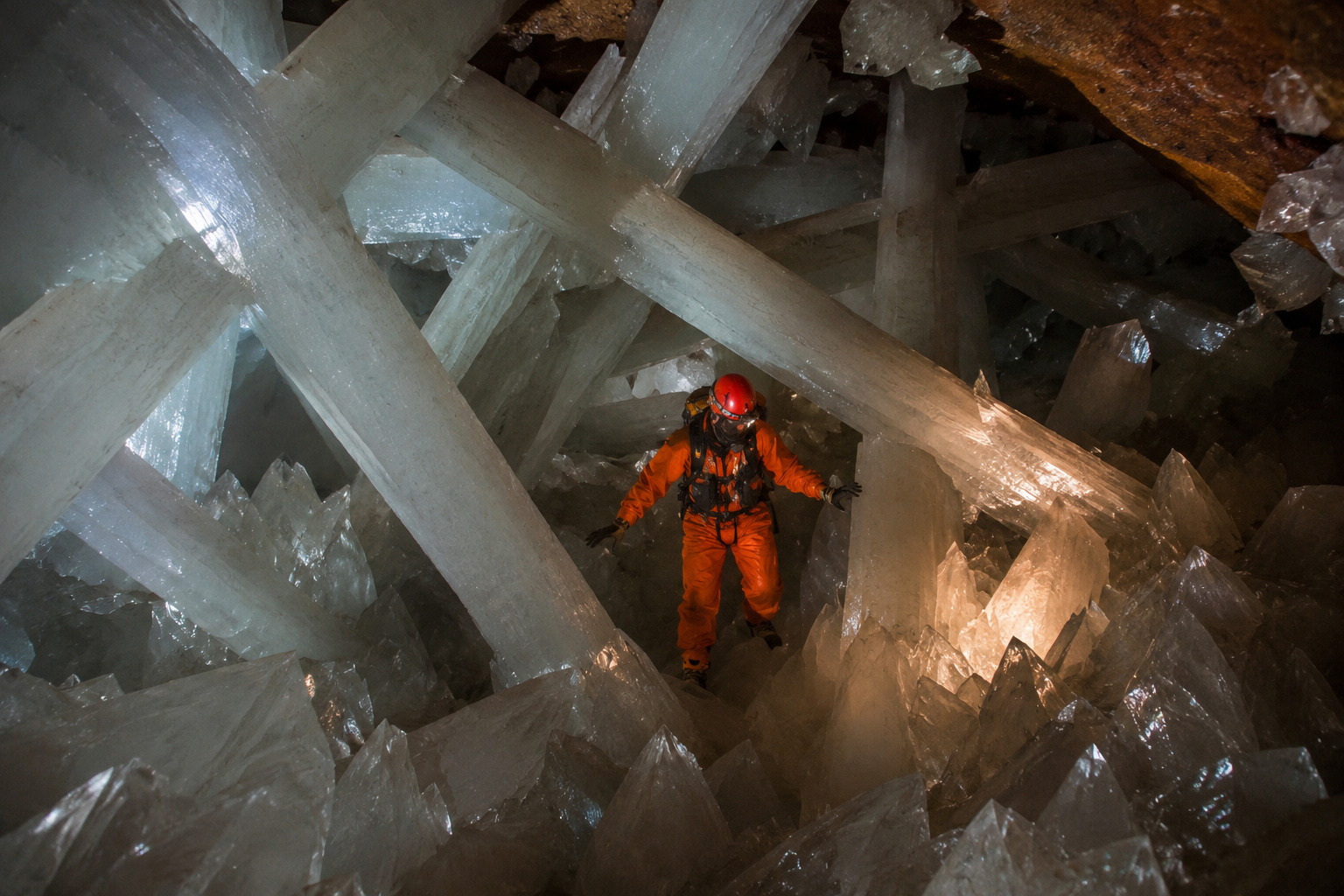
Mexico’s Giant Crystal Cave: A Deadly 58°C Underground Palace with 11-Meter Crystals Formed Over Nearly a Million Years

-
China Dominates Over 90% of Rare Earth Refining, Prompting Global Concerns: Canada and Japan Launch Billion-Dollar Plan to Reduce Dependency and Safeguard Batteries, Semiconductors, and Defense
-
Ancient Mines in Spain Reveal Tools and Metals That May Explain Bronze Age Trade with Scandinavia


Why sulfur is essential for copper and nickel production
Although little known outside the technical field, sulfur plays a central role in chemical processes used in modern mining. Its main use is in the production of sulfuric acid, one of the most widely used chemicals in the industrial world.
This acid is fundamental in processes such as copper leaching and nickel processing by HPAL (High Pressure Acid Leach) technology, widely used to extract nickel from lateritic ores.


In practice, this means that: without sufficient sulfur, there is no sulfuric acid on an industrial scale, and without sulfuric acid, a significant portion of copper and nickel production is compromised.
This chain of events makes sulfur a critical link within a chain that starts in mining and ends in products such as batteries, electrical cables, and vehicles.
An invisible input that connects mining, fertilizers, and energy
The impact of sulfur scarcity is not limited to mining. Sulfuric acid is also widely used in the production of fertilizers, especially phosphates. This creates an interdependence between two strategic sectors: mining and agriculture.
When the price of sulfur rises or its supply decreases, the effect simultaneously spreads to industrial metals and fertilizers, putting pressure on costs across different production chains. This phenomenon creates a scenario where:
- Copper production may become more expensive
- The cost of nickel for batteries may rise
- Fertilizers may become more expensive
- The final price of food and energy may be impacted
This is a cascading effect that starts with a chemical input and can reach the end consumer in multiple forms.
Origin of sulfur and why its supply is limited
Most of the sulfur produced in the world does not come from dedicated mines, but rather as a byproduct of the oil and gas industry. During the refining of fossil fuels, sulfur-containing compounds are removed to meet environmental standards. This process generates elemental sulfur, which is then used by the chemical industry.
This means that the supply of sulfur is directly linked to oil and gas production, creating an indirect dependence between sectors. Changes in fuel production, economic sanctions, or logistical disruptions can affect the global availability of the input.
According to recent analyses, tensions involving producing regions and trade routes have contributed to fluctuations in supply.
Geopolitics and logistics increase the risk of scarcity
Reuters highlighted that conflicts and trade restrictions involving sulfur-producing countries or derivatives have impacted the global flow of the material.
Additionally, logistical bottlenecks, such as shipping and storage capacity, also influence availability.

The sulfur market, although global, is highly concentrated in some regions, which increases vulnerability to external shocks. This scenario resembles what has been observed in other critical inputs, where small disruptions can lead to significant impacts.
Growth in demand for strategic metals increases pressure on the system
At the same time that the supply of sulfur faces limitations, the demand for metals such as copper and nickel is growing rapidly.
Copper is considered essential for electrical networks, renewable energy, and urban infrastructure. Nickel, on the other hand, is a key component in electric vehicle batteries.
The International Energy Agency (IEA) has already pointed out that the demand for these metals could grow significantly in the coming decades, driven by the energy transition.
This growth increases dependence on industrial processes that use sulfuric acid, raising the importance of sulfur.
Possible impact on prices and the global production chain
With the combination of high demand and possible supply restrictions, the market may face price pressures. The rising cost of sulfur may directly reflect on the production cost of metals and fertilizers, impacting industrial and agricultural sectors.
This effect can be perceived at different levels:
- Mining companies may face increased operational costs
- Battery industries may have more expensive inputs
- Farmers may pay more for fertilizers
- Consumers may feel the effects in final prices
The impact is not immediate in all sectors, but tends to propagate throughout the production chain.
A silent risk that does not appear in public debates about energy and mining
A large part of the discussions about energy transition and mining focuses on elements such as lithium, copper, cobalt, and nickel. However, few debates address the chemical inputs that enable the extraction of these materials.
The case of sulfur shows that the energy transition depends on a complex chain, where even elements considered secondary can become critical.
This type of vulnerability is characterized as an invisible risk, as it does not appear directly in final products, but can limit the entire chain.
Have you ever imagined that a little-known chemical input can influence energy, food, and technology at the same time
The scenario involving sulfur reveals how modern industrial systems are deeply interconnected. An element that rarely appears in public debate can simultaneously affect mining, agriculture, energy, and technology, creating effects on a global scale.
The discussion raises a relevant question about supply security and industrial planning.
As critical chains depend on concentrated and vulnerable inputs, to what extent is the global system prepared to deal with disruptions in elements that almost no one sees, but that sustain a large part of the modern economy.







