






 Portuguese
  Spanish


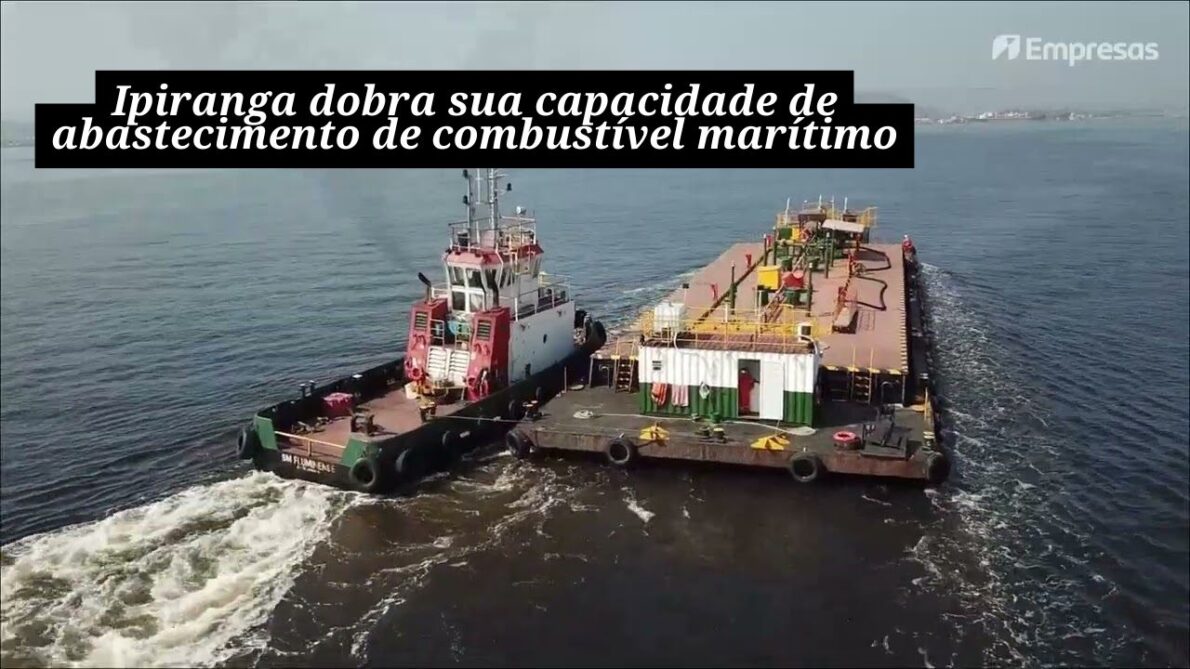

In Less Than A Year, Ipiranga Doubles Its Maritime Fuel Supply Capacity In Guanabara Bay.
You won’t believe what Ipiranga has just done! The company announced an impressive expansion in its maritime fuel operation, doubling its supply capacity in the waters of the state of Rio de Janeiro.
Ipiranga is entering a new phase in the marketing of marine gas oil (MGO) for vessels in Guanabara Bay, Rio de Janeiro. The company has incorporated the barge E-241, with a capacity of 2,150 m³, into its fleet, significantly increasing its supply potential. Now, with the capacity to meet 18,000 m³ per month, the operation offers more availability, ensuring agility and the traditional quality of the product and services.
Ipiranga is already providing supplies in the South and North regions, at the ports of Paranaguá (PR), Itajaí (SC), Belém, Itaituba, Santarém (PA), and Manaus (AM). The expansion of the maritime fuel operation allows more than one tanker truck to supply the barge simultaneously, speeding up the loading process.
-
Oil production grows in Rio, but reserve replacement raises a warning sign

-
Petrobras is expected to complete the drilling of the Morpho well in the Foz do Amazonas in August 2026, the first well in the Equatorial Margin, an oil frontier that the ANP estimates at more than 30 billion barrels and could redraw the map of Brazil.

-
Oil returns to the center of concerns with tension between the US and Iran

-
IEA reduces forecast for global oil demand in 2026 after impacts of the Middle East crisis
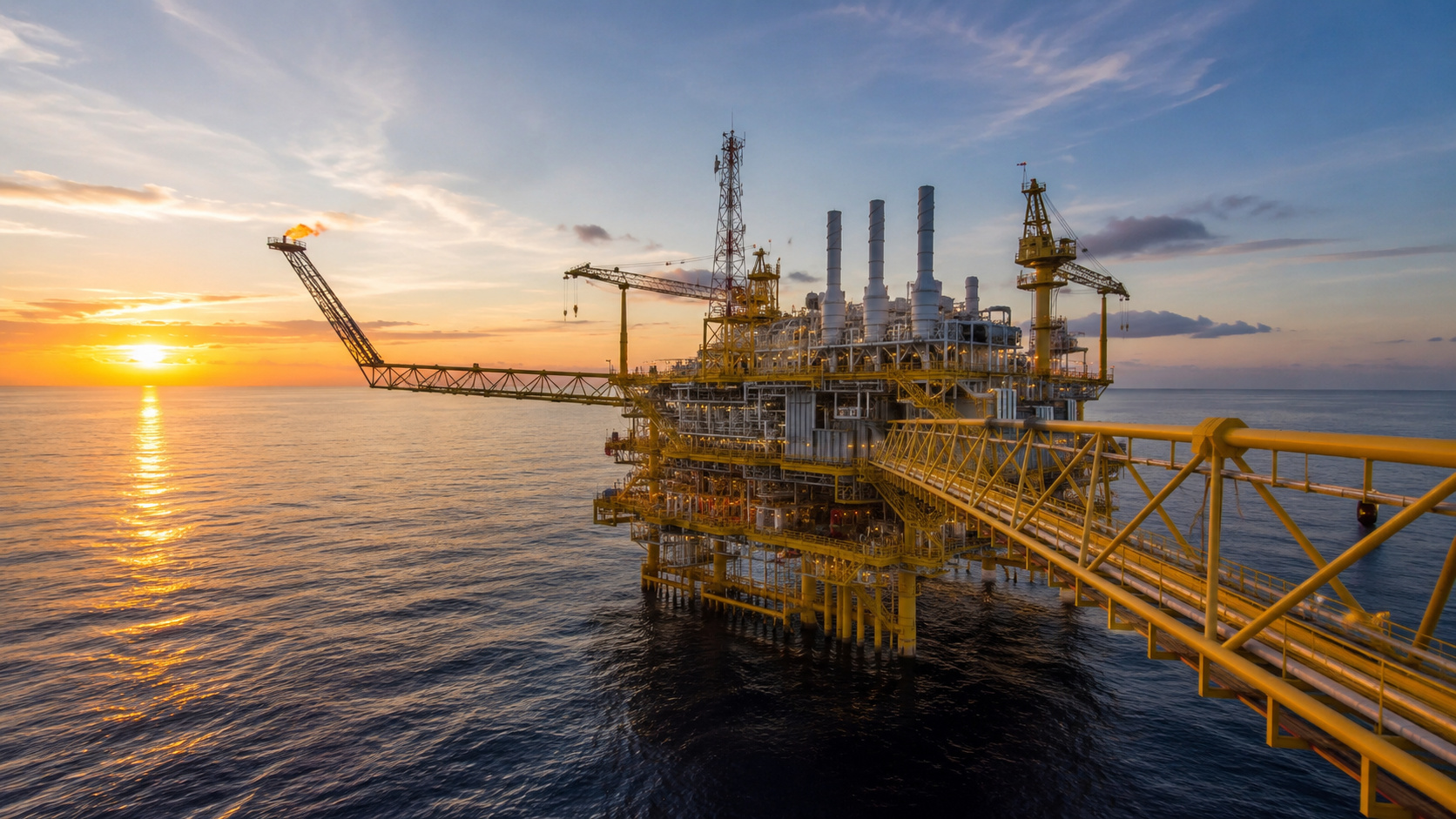


Improvements have been made at the Ipiranga base that supports the operation, making the truck loading infrastructure three times larger and expanding storage capacity to 7,000 m³.
According to the Vice President of Ipiranga Empresas, José Vianna, “we operate with about 12% of the maritime fuel market in Brazil, always offering the best supply service to our clients. The expansion of the operation, in less than a year, is positive for the market as it offers new product supply options for a growing sector”, he emphasizes.
The marketing and distribution of MGO involve five stages, including transportation by pipeline, road, and finally, maritime, all following strict safety protocols according to Ipiranga‘s guidelines.
And what do you think about this expansion of Ipiranga in the maritime fuel market? Leave your opinion in the comments!







Eu tive a honra de fazer parte do posto flutuante aqui na região de Porto Alegre na lagoa dos patos no ano de 1990