Portuguese
  Spanish


False Information Circulates on Social Media, but the Social Communication Secretariat Confirms That There Will Be No IPVA Charge for Cyclists
Recently, videos have been circulating on social media claiming that the Lula government intends to implement the charge of the Tax on the Ownership of Motor Vehicles (IPVA) for bicycles. This information is #FAKE and has been officially denied, according to the G1/Globo website.
The dissemination of false news can cause confusion and misinformation, especially on topics involving fees and taxes.
The Origin of the Fake News About IPVA for Bicycles
The fake news began to gain traction from a video posted on TikTok on October 30, where a narrator claims that the government of President Lula and the Finance Minister, Fernando Haddad, would be considering registering bicycles so that cyclists would pay IPVA.
-
Nissan Kicks S Direct 2018: Affordable Used SUV with Over 13 km/l Fuel Efficiency, 432-Liter Trunk, and CVT Automatic Transmission

-
Iconic Orange Double-Decker Bus, a Dutch Fan Favorite for Over 20 Years, Arrives in Texas for the World Cup After Touring Brazil, England, Qatar, and More
-
$100 Million Hypercar Collection, Including Ferrari LaFerrari and McLaren Speedtail, Found Abandoned at Los Angeles Airport
-
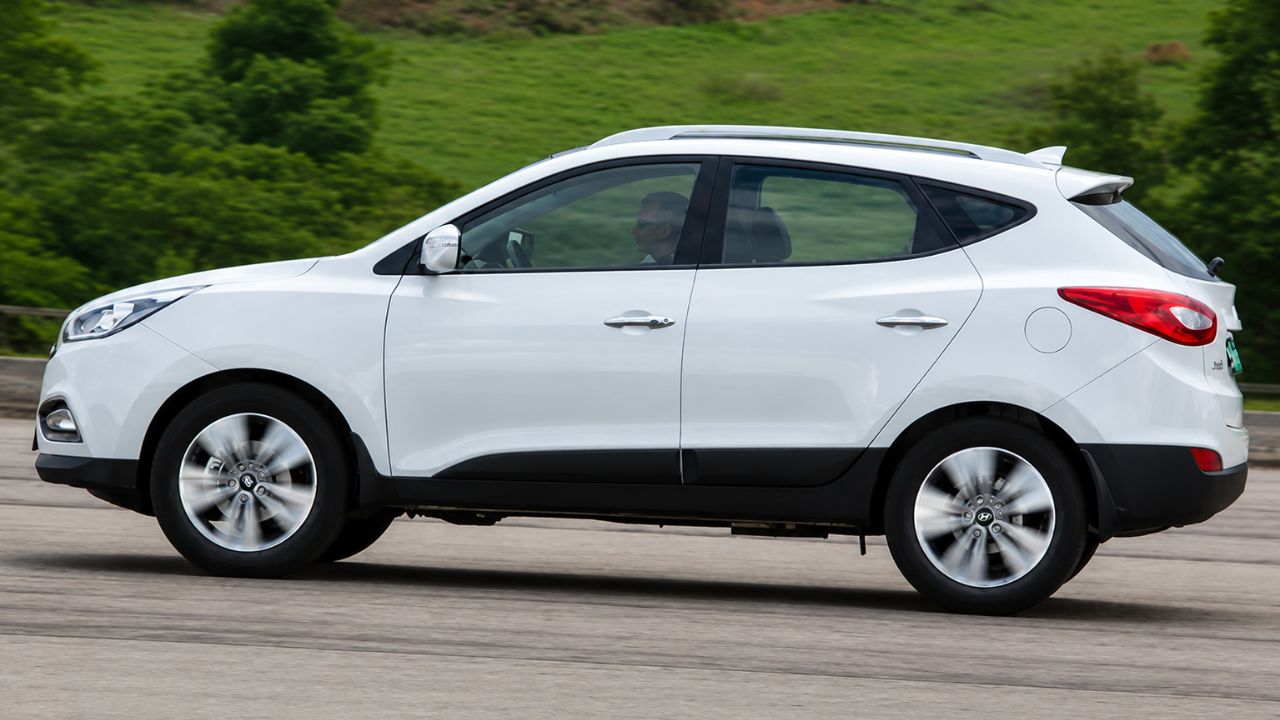
Hyundai ix35 2019: A Forgotten SUV with 2.0 Engine and 650 km Range Costs Less Than a New Kwid in Brazil


The narrative suggests that an urban mobility project has turned into a controversial plan, intending to equalize responsibilities among different means of transportation.
Have you ever questioned the origin of other news circulating on social media?
Misinformation is a common phenomenon in the digital age, and often people share content without verifying the accuracy of the information.
This type of situation highlights the importance of staying informed and skeptical about what you read online.
Denied by the Social Communication Secretariat
In response to these unfounded allegations, the Social Communication Secretariat (Secom) of the Presidency published a statement on its official website, clarifying that the IPVA does not apply to bicycles.
The statement emphasizes that, according to Article 155, item III of the Federal Constitution, the authority to collect this tax is exclusive to states and the Federal District.
This information is crucial for understanding the tax landscape in Brazil and how it applies to different vehicles.
The IPVA was first instituted in the state of São Paulo in 1985. This tax applies only to the ownership of motor vehicles, as defined by the Brazilian Traffic Code in its article 96.
The definition of motor vehicles only includes those powered by propulsion engines and that operate by their own means, which clearly excludes bicycles and other non-motorized vehicles.
Understanding the Exemption of IPVA for Bicycles
Bicycles, skateboards, scooters, and other self-propelled vehicles are not subject to the IPVA charge. Additionally, these vehicles do not require a plate, documentation, or a license to operate.
What do you think about the tax exemption for bicycles? Could this measure further encourage the use of this sustainable mode of transportation?
The Secom also emphasized that electric bicycles and self-propelled equipment must meet a series of safety requirements, according to the Resolution 996/2023 from the National Traffic Council (Contran).
These requirements are important to ensure the safety of cyclists and other road users.
Regulations and Mandatory Equipment for Cyclists
Operators of electric bicycles and other self-propelled vehicles need to be aware that they must use a series of mandatory equipment.
This includes a speed indicator, helmet, bell, and night signaling (rear, front, and side).
In the case of self-propelled equipment, it is also necessary for them to have a left-side rearview mirror and tires in safe conditions.
These regulations are crucial for the safety of cyclists, especially in urban areas where traffic can be intense.
The use of safety equipment not only protects the cyclist but also contributes to the safety of pedestrians and drivers.
Do you usually use safety equipment when riding a bicycle? What items do you consider most important?
Consultations with Competent Authorities and the Reality of State Assemblies
The Fact or Fake team contacted the National Association of Traffic Departments (AND), which confirmed that it has no knowledge of proposals in state legislative assemblies aimed at charging the IPVA for bicycles.
Moreover, a survey conducted on the websites of the 27 federative units found no information about the formalization of this type of taxation. This survey reinforces the idea that the fake news is baseless and merely an unfounded rumor.
Transparency and communication between government bodies and the population are essential.
When rumors arise, it is important for citizens to consult reliable sources for accurate and updated information.
This helps combat misinformation and keeps the population well-informed about issues that impact their daily lives.
The Importance of Checking Information and Combating Fake News
In light of the proliferation of false information on social media, it is crucial that citizens verify the accuracy of news before sharing it.
The case of the alleged IPVA for bicycles is a clear example of how rumors can spread rapidly, causing confusion and misinformation.
Have you ever encountered a false news story that impacted your opinion on a particular subject? How did you react?
Such false news can have a significant impact on citizens’ decisions and their perceptions of public policies.
Therefore, whenever you come across surprising information, it is important to seek reliable sources and confirm the facts before believing or sharing.
Misinformation can lead to misguided decisions and generate distrust in legitimate information.
How to Identify Fake News?
Identifying fake news can be a challenge, but there are some strategies that can help. First, always check the source of the information.
If the news does not come from a reputable media outlet or an official source, be suspicious.
Additionally, look for other reports or official statements that confirm or refute the information.
Another important tip is to pay attention to the tone of the news.
If the message seems alarming or sensational, it’s a red flag.
Accurate and reliable information is typically presented in a neutral and informative manner. Do you believe that social media should play a more active role in verifying information before allowing it to be shared?
The Responsibility of Each in the Dissemination of Information
We all have a role to play in the fight against misinformation. When sharing information, it is important that each of us does our part to ensure we are disseminating true and verified content.
This not only protects ourselves but also helps build a more informed and conscious society.
With these revelations, it is evident that the fake news about charging IPVA for bicycles has no foundation and should be denied.
The responsible use of social media and the verification of information are essential to combat misinformation.
Do you feel prepared to identify and combat fake news when you encounter it? Share your experiences and opinions in the comments!