






 Portuguese
  Spanish


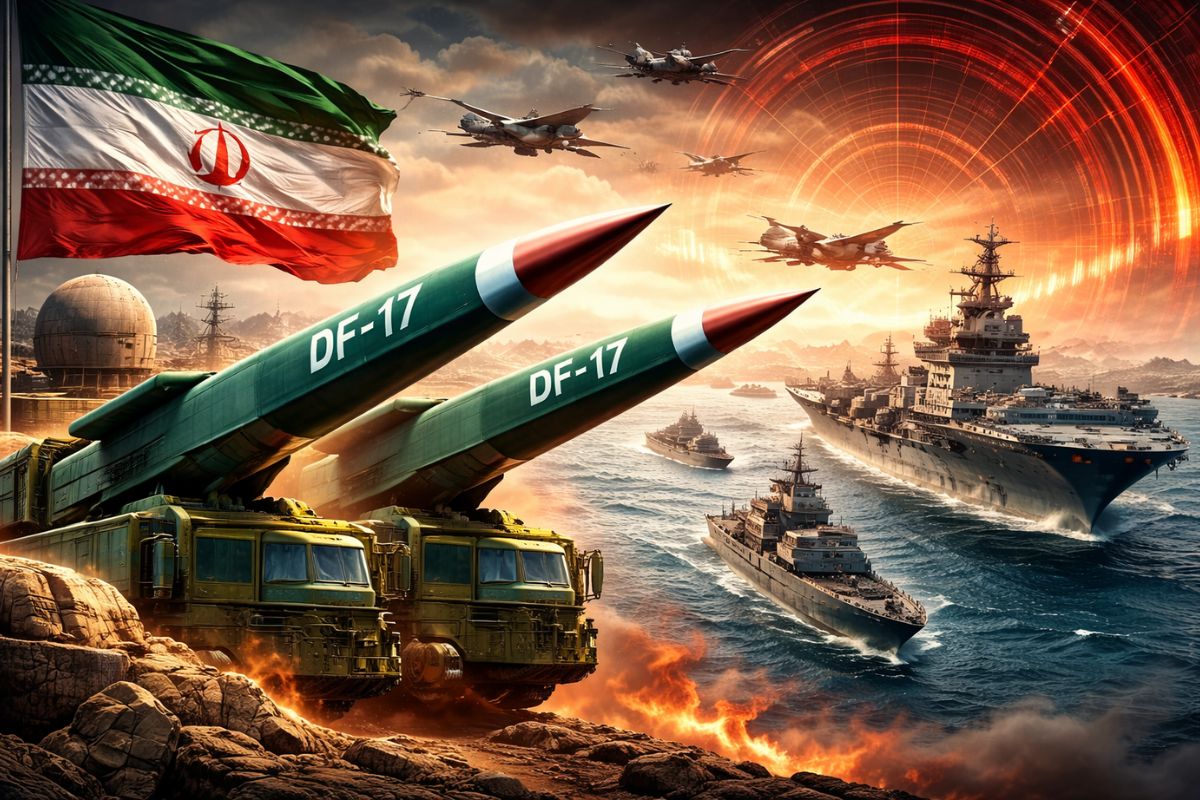


The Possible Acquisition Of Supersonic Missiles From China By Iran, Revealed By Sources Heard By Reuters, Surges While The US Concentrates Naval Force In The Region And Elevates The Debate On Dissuasion, Risk Of Calculation Error And Change In Military Balance In The Gulf In The Short Term In The Middle East Now.
The Negotiation Over Supersonic Missiles From China For Iran Has Entered A Sensitive Phase At A Time Of Increasing Military Pressure In The Gulf, With The Mobilization Of US Forces Near The Iranian Coast And A Regional Environment Marked By Signs Of Dissuasion, Threat, And Accelerated Political Calculation.
The Central Point Of The Report Provided Is Not Only The Possible Purchase Itself, But What It Represents In The Current Timing. When A Faster Anti-Ship System Enters The Equation, It Changes The Way Tehran, Washington And Allies Begin To Measure Risk, Response, And Cost Of Any Movement At Sea.
What Is Close To Being Closed, And What Still Remains Uncertain

According To Reuters, Based On Six People With Knowledge Of The Negotiations, Iran Is Close To Finalizing An Agreement With China To Acquire CM 302 Anti-Ship Missiles.
-
German Startup Raises €8 Million to Build Robot for 24/7 Harvesting of Tomatoes, Cucumbers, and Peppers Without Human Labor

-
The Pharmaceutical Glass Invented by a German Chemist in 1884 Was Crucial for 75% of Global COVID Vaccine Projects

-
Dinosaur Bone Found in 1985 on James Ross Island Identified as First Confirmed Titanosaur Fossil from Antarctica, Shedding Light on a Once-Green Continent
-
Scientists Develop System to Turn Seawater into Drinking Water Using Only Sunlight, No Electricity Needed


The Same Sources Indicate That The Deal Is In An Advanced Stage, But Still Without A Defined Delivery Date, Which Is A Crucial Detail To Understand That The Negotiation May Be Mature Without Necessarily Being Concluded In Operational Terms.
The Report Itself Highlights Important Gaps. Reuters Says It Could Not Determine How Many Missiles Would Be Involved, How Much Iran Would Pay, And Whether China Would Actually Go Ahead With The Sale Given The Regional Tension. This Point Prevents Triumphalist Or Definitive Interpretations.
There Is Progress In The Negotiations, But There Is Still No Complete Picture Of The Contract.
In The Diplomatic Arena, Iran Has Signaled Political Will. An Official From The Iranian Foreign Ministry Told Reuters That The Country Has Military And Security Agreements With Its Allies And That This Would Be The Right Moment To Use Those Agreements.
The Statement Does Not Confirm The Model, The Quantity, Or The Signature, But Reinforces The Logic Of Strategic Opportunity.
On The Chinese Side, The Response Was Cautious. After The Publication Of The Report, The Chinese Foreign Ministry Stated That It Had No Knowledge Of The Reported Negotiations Regarding The Possible Sale Of Missiles, While The Chinese Defense Ministry Did Not Respond To A Request For Comment.
This Combination Of Diplomatic Denial And Military Silence Keeps The Operation In The Gray Zone.
Why China’s Supersonic Missiles Change The Calculation In The Gulf
The Chinese Supersonic Missiles Cited In The Report Are Described As Anti-Ship With A Range Of About 290 Kilometers, Designed To Fly Low And Fast And To Evade Naval Defenses.
In Military Terms, This Matters Because It Reduces Reaction Time And Increases Pressure On Ships That Would Need To Detect, Track, And Intercept In Short Windows.
Two Weapon Experts Heard At Reuters’ Base State That The Deployment Of These Systems Would Significantly Elevate Iran’s Attack Capability And Represent A Threat To US Naval Forces In The Region.
The Strategic Effect Depends Not Only On The Launch, But On The Presence Of Capacity, Which Already Alters Routes, Posture, And Tactical Planning.
The Statement From Danny Citrinowicz, A Former Israeli Intelligence Officer And Researcher On Iran At The Institute For National Security Studies In Israel, Summarizes The Size Of The Concern: For Him, It Would Be A Complete Game Changer If Iran Were To Have Supersonic Capacity To Attack Ships In The Area. The Assessment Highlights The Difficulty Of Interception As A Central Factor.
In The Gulf, Where Geographic Proximity And The Density Of Naval Assets Raise Sensitivity, The Introduction Of Such A System Increases The Risk Of Miscalculation.
A New Capability May Be Used As Dissuasion, But It Can Also Be Read As Offensive Preparation, Especially In A Scenario Of High Friction Between Iran And The US.
The Context That Accelerated The Negotiation, Recent War And Naval Mobilization
Reuters Reports That Talks To Purchase Missile Systems With China Began At Least Two Years Ago. This Indicates That The Agenda Did Not Arise From An Isolated Episode Of Short-Term Events.
What Changed, According To Sources, Was The Speed Of The Process, Which Would Have Accelerated Sharply After The 12-Day War Between Israel And Iran In June.
This Temporal Detail Helps To Explain Why The Topic Has Reappeared Now With Such Weight. After A Direct And Short Confrontation, The Incentive To Reinforce Dissuasion Increases, Especially In Areas Where Maritime Response Can Have Immediate Impact.
The Final Phase Of The Negotiations, According To Reuters, Would Have Occurred Last Summer In The Northern Hemisphere.
Also According To The Report, Senior Military And Government Officials From Iran Traveled To China During This Period, Including Massoud Oraei, The Iranian Deputy Defense Minister.
The Presence Of A Figure Of This Level Suggests Political And Military Priority, Even If It Does Not By Itself Prove The Final Signature Of The Agreement Or The Delivery Schedule.
All This Intersects With The Naval Mobilization Of The US Near The Iranian Coast Mentioned In The Provided Basis.
The Combination Of Advanced Negotiations, Regional Military Tension, And Naval Mobilization By The US Makes The Environment More Instable, As Each Movement Can Be Interpreted Not Only As Defense But Also As A Signal Of Intent.
The Diplomatic Game Between Iran, China And The US, And The Weight Of Sanctions
The Possible Purchase Of Chinese Supersonic Missiles By Iran Is Not Just A Technical Issue Of Armament. It Directly Touches On The Diplomatic Dispute Over Sanctions, Regional Influence, And The Limits Of External Powers’ Action In The Middle East.
Reuters Highlights That This Transfer Would Be Among The Most Advanced Equipment Ever Sent To Iran By China.
The Report Also Notes That A Sale Of This Type Would Challenge The UN Arms Embargo, Initially Imposed In 2006. Sanctions Were Lifted In 2015 In The Context Of A Nuclear Agreement With The US And Allies, And Reimposed Last September.
This Legal And Political History Increases The International Cost Of Any Formal Decision To Supply.
On The American Side, The White House Did Not Comment Directly On The Negotiations Between Iran And China Regarding The Missile System When Questioned By Reuters.
Nevertheless, A White House Official Cited President Donald Trump’s Position, Stating That Either There Will Be An Agreement Or Very Harsh Measures Could Be Taken, In Reference To The Current Impasse With Iran.
This Response Shows A Known Pattern Of Calculated Ambiguity. Washington Does Not Confirm A Specific Course Of Action But Maintains High Verbal Pressure.
In An Environment With Naval Mobilization And Rumors Of Reinforcement Of Iranian Capabilities, The Message Works As A Deterrence Tool And Also As A Political Warning, Both Internally And Externally.
What Could Change In The Regional Military Balance, And What Cannot Yet Be Asserted
If The Agreement Is Confirmed And Executed, The Sale Would Reinforce The Deepening Of Military Relations Between China And Iran At A Time Of Elevated Regional Tension, As The Report Itself Points Out.
This Could Complicate US Efforts To Contain Iran’s Missile Program And Restrict Tehran’s Nuclear Activities, In Addition To Suggesting Greater Chinese Willingness To Assert Itself In A Region Historically Dominated By American Military Power.
Strategically, The Gulf Would No Longer Be Just A Space Of Presumed Naval Superiority For The US And Would Incorporate An Additional Layer Of Tactical Uncertainty.
When The Cost Of Approach Increases, The Margin For Automatic Intimidation Decreases, And This Affects Patrol, Escort, Positioning, And Crisis Response.
At The Same Time, It Is Important To Separate Potential Scenarios From Established Facts. The Provided Basis Does Not Confirm Delivery, Quantity, Price, Or Date. There Is Also No Official Chinese Confirmation Of The Negotiation. Serious Analysis Needs To Work With Probability And Impact, Not With Certainty Where Gaps Still Exist.
In Summary, What Exists At This Moment Is A Highly Sensitive Combination Of Information From Sources, Contradictory Diplomatic Signals, Naval Mobilization, And An Explosive Regional Context. This Is Enough To Elevate Alerts In The Gulf Even Before Any Missile Physically Arrives In Iran’s Inventory.
The Possible Purchase Of Chinese Supersonic Missiles By Iran Comes At The Worst Possible Time For Regional Stability, Because It Intersects Military Capability That Is More Difficult To Intercept, Tension Between Iran And The US, Diplomatic Pressure, And Naval Mobilization In Strategic Waters. Even Without A Fully Transparent Contract, The Simple Progress Of The Negotiation Already Alters Risk Perceptions In The Gulf.
In Your Reading, Which Factor Increases The Risk Of Escalation The Most In This Case, The Possible Entry Of A New Anti-Ship Missile In Iran’s Arsenal, The Naval Mobilization Of The US Near The Iranian Coast, Or The Diplomatic Ambiguity Between Washington And Beijing, And Why?


