






 Portuguese
  Spanish


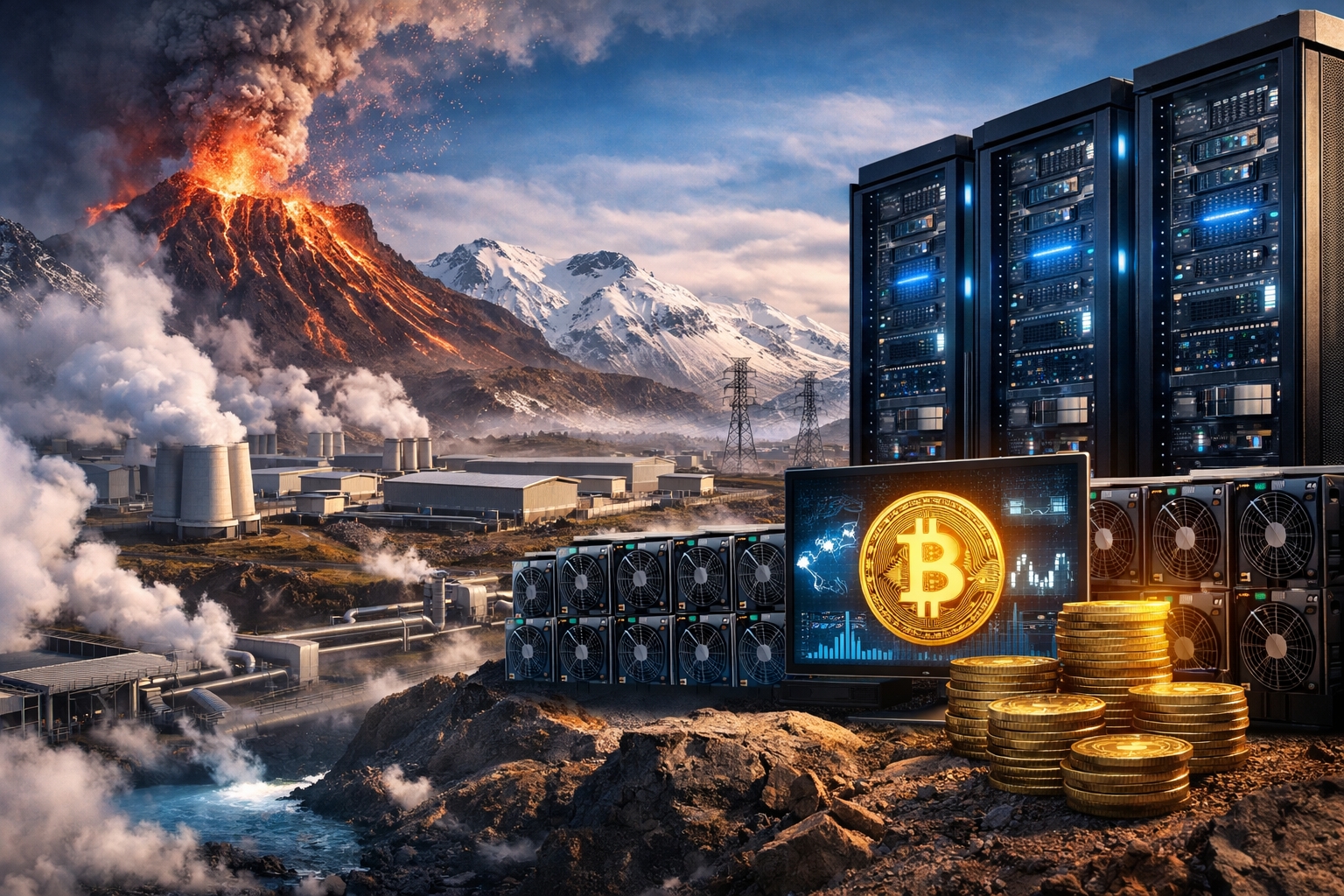


In Iceland, miners have turned to consuming approximately 120 MW of geothermal and hydroelectric energy to operate servers 24 hours a day, turning electricity surplus into digital mining and changing the national energy utilization strategy.
Iceland has always been known for its active volcanoes, geysers, and glaciers. Now, it catches attention for another reason. The small island in the North Atlantic has become one of the main safe havens for servers in the world.
What seemed unlikely has gained strength in recent years. Instead of exporting energy through submarine cables, the country has started to sell electricity indirectly, converting megawatts into data and cryptocurrencies.
The shift has repositioned Iceland on the global map of heavy IT infrastructure.
-
Geologists Find 4% of Normandy D-Day Beach Sand Still Contains Metal Fragments from WWII Explosions

-
2027 Total Solar Eclipse to Feature Unprecedented Duration, Turning Day into Night
-
China Unveils 300-Ton Hybrid-Electric Truck as the Heavy Machinery of the Future

-
Brazilian mechanic invents simple solar lamp using water and chlorine in a PET bottle, providing up to 60 watts of light during the day


Volcano Energy Feeds Servers Operating 24 Hours a Day
The basis of this movement lies in the energy matrix.
A significant portion of Icelandic electricity comes from renewable sources, primarily geothermal and hydroelectric energy. In other words, underground heat and water power moving turbines.
This model ensures a constant and relatively low-cost generation, according to industry operators.
Moreover, the cold climate reduces cooling costs for servers. Data centers that in other countries require intensive climate control systems take advantage of the naturally low temperatures in Iceland.
The impact was immediate. Lower operational costs attracted Bitcoin mining operations and large-scale digital infrastructures.
The Logic of Non-Guaranteed Energy That Turned into a Strategic Opportunity
One of the details that drew the most attention was the use of so-called non-guaranteed energy.
This refers to the surplus generated by the electrical system that is not fully absorbed by industries such as aluminum smelters, greenhouse agriculture, and domestic consumption.
According to companies in the sector, miners have started to acquire this surplus energy.
In practice, they buy electricity that would only be available under certain supply conditions.
This arrangement created an interesting balance. The electrical system reduces waste, and mining acts as a flexible consumer.
120 Megawatts in a Country of 370 Thousand Inhabitants Reveal the Scale of the Phenomenon
Estimates indicate that Bitcoin mining in Iceland consumes about 120 megawatts.
For a country with approximately 370,000 inhabitants, this number is impressive.
According to data released by companies in the sector, Iceland has become the densest country in Bitcoin mining in the world relative to its population.
The contrast is evident. A small, isolated island marked by extreme natural landscapes hosts one of the largest proportional concentrations of computing power dedicated to cryptocurrency.
Isolated Electricity System Protects Against Global Price Fluctuations
Another decisive factor lies in the structure of the electrical system.
Iceland is not interconnected to the international energy market. Its grid is isolated.
This means it does not suffer directly from price fluctuations observed in other regions.
For miners and data center operators, predictability is crucial.
Amidst tariff increases and regulatory constraints in various countries, Iceland offers stability and energy security.
Selling Electricity in the Form of Data Changes the National Strategy
Exporting physical energy from Iceland involves technical challenges and high costs, primarily due to the need for long-distance submarine cables.
In light of this scenario, the country adopted another logic.
Instead of sending megawatts outward, it attracted digital infrastructure inward.
The electricity remains in the territory. The economic value, however, crosses borders in the form of processed data and mined cryptocurrencies.
The result surprised energy and technology analysts. Iceland transformed renewable surplus into a global digital asset without having to export a single kilowatt physically.
The island of volcanoes has shown that energy can be more than light and heat. It can be information, processing, and digital currency.
And you, do you believe that countries with great renewable potential could follow the same path? Share your opinion in the comments.





Muito interessante e souberam aproveitar os extremos para para gerar riqueza para um pequeno país. Países com excesso de energia limpa devem aproveitar e fazer o que os islandeses fizeram, principalmente se forem de clima frio, pois reduz o consumo de energia com refrigeração. Parabéns à esses povos que aproveitam os recursos naturais para gerar riqueza.