






 Portuguese
  Spanish


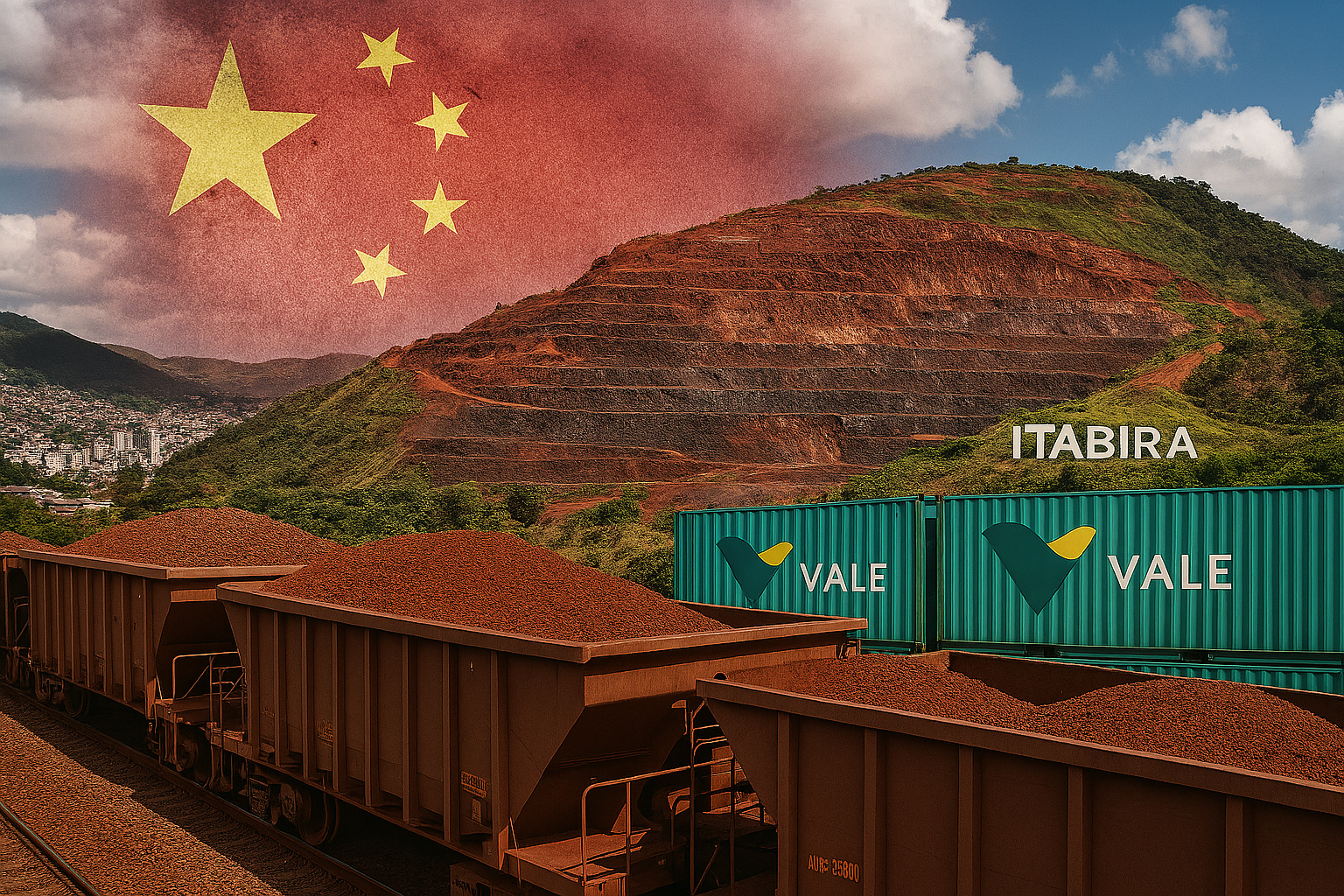


Itabira, in Minas Gerais, Revealed the Largest Iron Ore Deposits in Brazil, Becoming the Home of Vale and Responsible for Exporting Billions of Tons of Ore, Mainly to China.
In the heart of Minas Gerais, among mountains and valleys that inspired poet Carlos Drummond de Andrade, lies Itabira, a city with just over 120,000 inhabitants that has become synonymous with iron ore. It was there that Vale was born, now one of the largest mining companies on the planet. From small Itabira, the first shipments embarked that placed Brazil on the global mining map. Decades later, the company would become a worldwide leader, exporting over 3 billion tons of ore to China, its largest trading partner.
The Birth of Modern Mining in Brazil
The history of Itabira is closely linked to that of the Itabira Iron Ore Company, founded in 1911 by American businessman Percival Farquhar, who sought to explore the immense iron deposits in the region. The project faced initial difficulties but planted the seed for the creation, in 1942, of the Companhia Vale do Rio Doce (CVRD) — now simply Vale.


The city thus became the cradle of one of Brazil’s largest corporate success stories. Alongside the railways and the Port of Vitória, in Espírito Santo, Itabira was a central piece in the logistical model that enabled mass export of Brazilian ore.
-
Your Old Gmail Address Might Be Obsolete Soon: Google Introduces Feature Changing Account Usage.

-
Two Newborns Named Cecília Share Same Birth Minute at Brazilian Hospital, Creating Rare Coincidence

-
Brazilian Couple Turns Property into Culinary Hub, Investing $400,000 to Build a Business Earning $800,000 Annually
-
Couple Quits Jobs, Converts 1981 VW Van into Home, Travels 80,000 Kilometers Across the Americas, and Wins Surprise Tickets to See Messi Make History at the World Cup


Iron Ore That Moves the World
The deposits in Itabira are part of the so-called Mineral Province of the Iron Quadrilateral, one of the richest regions in iron ore on the planet. Since the start of exploration, billions of tons have been extracted from its mountains, turning Brazil into the second largest exporter of this input in the world.
With China’s growth, especially starting in the 2000s, iron ore took on an even more strategic role. According to Vale itself, the Asian country has already imported over 3 billion tons from the company, consolidating a partnership that shapes the Brazilian trade balance. Itabira, as the initial mark of exploration, remains a symbol of this global connection.
The City of Drummond
Itabira is also known for being the birthplace of Carlos Drummond de Andrade, one of the greatest poets in Brazilian literature. In famous verses, he wrote about the landscape altered by mining and the contradictions of a city that depended on its mountains while watching them disappear.
“Itabira is just a photograph on the wall. But how it hurts!” — this excerpt, from “Confidência do Itabirano,” encapsulates the relationship between mining, cultural identity, and nostalgia for a transformed landscape.
The Economic Impact
Mining has shaped the economy and society of Itabira:
- Direct and Indirect Jobs: thousands of families depend on mineral activity;
- Royalties from CFEM: the Financial Compensation for the Exploitation of Mineral Resources represents a significant portion of the municipal budget;
- Multiplier Effect: transportation, commerce, and services revolve around mining.
This dependence, however, also brings risks: the reduction of local reserves and fluctuations in international prices can significantly impact revenue and employment.
The Transition After Decades of Extraction
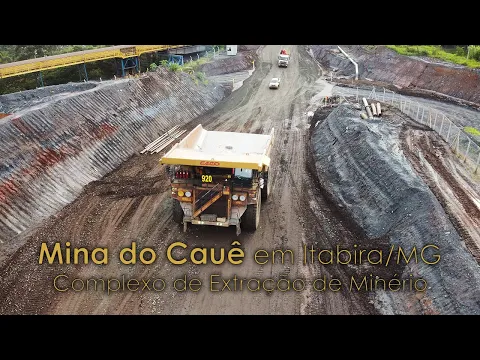
After more than 80 years of exploration, the mines of Itabira are facing gradual depletion. Vale has already announced plans to progressively reduce extraction in the region, while investing in technology for reprocessing tailings and exploring other areas of the Iron Quadrilateral.
For the city, this move represents a challenge: how to diversify its economy after so much time dependent on ore? Projects in tourism, culture, and services are being encouraged as alternatives for the future.
The Link with China
The trajectory of Itabira is directly connected to China’s growth. Brazilian iron ore has become essential to sustain the steel production of the Asian giant, which demands steel for infrastructure, housing, and industry.
Between 2000 and 2020, Vale’s exports to China soared, and today the country represents over 50% of the company’s revenue. Without iron ore, it is unlikely that the Brazilian trade balance would have recorded such significant surpluses in recent decades.
In this context, the story of Itabira transcends the local: the city has become a symbol of how Brazilian natural resources shape global economic relations.
Socioenvironmental Challenges
The cycle of mining has also left deep environmental marks:
- Flattened Mountains: part of the original relief has been transformed into open pits;
- Tailings and Dams: the challenge of ensuring safety and sustainability following recent disasters in other regions of Minas;
- Urban Quality of Life: dust and impacts on water supply affect residents.
Vale and local authorities are seeking to mitigate these effects, but the dilemma persists: how to reconcile development with environmental preservation and cultural memory?
A Legacy in Construction
Itabira is more than a mining town. It is a symbol of a Brazil that exports natural wealth but also seeks new paths to transform resources into sustainable development.
The legacy of mining, represented by both Vale’s rise and Drummond’s poetry, shows the ambiguity of a territory that thrived while simultaneously witnessing part of its landscape disappear.
The future of Itabira will depend on its ability to diversify the economy and turn its mineral heritage into a cultural, tourist, and technological asset.


