Portuguese
  Spanish


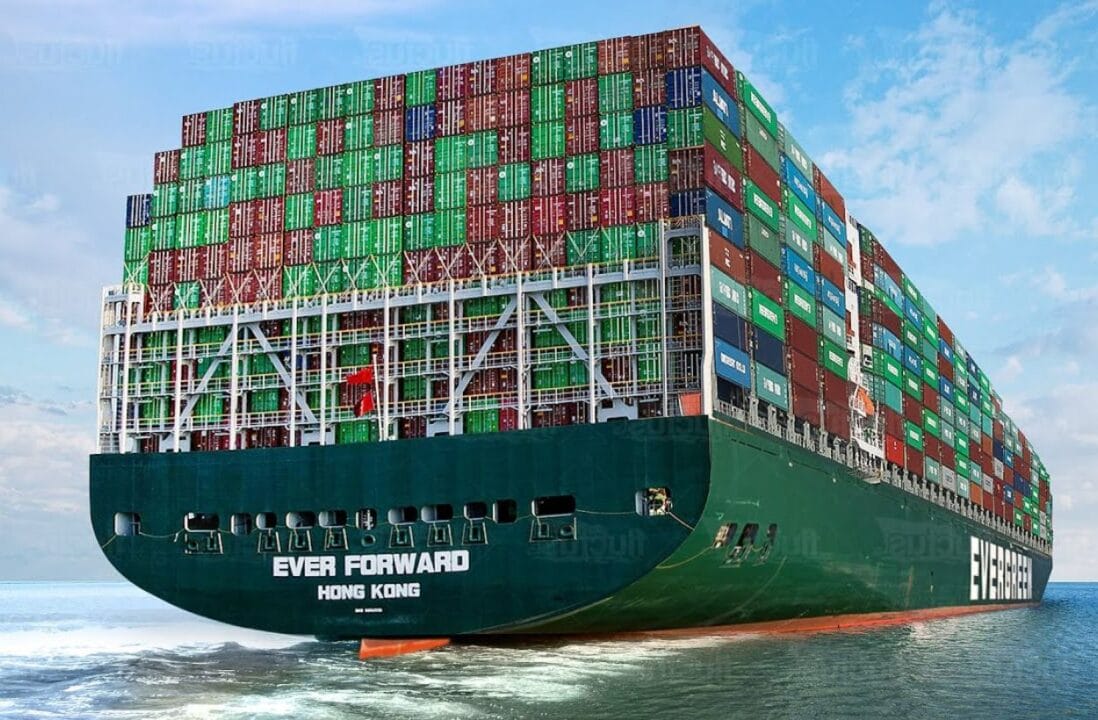

In This In-Depth Analysis, We Explore the Various Types of Containers – From the Widely Used Dry to the Specialized Reefer – Detailing How Each One Is Essential to Meet the Specific Needs of Global Cargo.
Amid the complexity and dynamism of global trade, one fundamental piece stands out in the logistics scenario: containers. These metal boxes are not mere containers; they are true ambassadors of efficiency and safety in transporting goods across oceans, skies, and lands. Dry, High Cube, Reefer… Each type of container has a specific purpose, meticulously designed to meet the varied demands of the cargo they carry.
When exploring the universe of “types of containers,” we dive into not only a technical discussion about their characteristics and applications but also uncover the human ingenuity that allows a product manufactured in one corner of the world to be available at the other end with ease and efficiency. This introduction serves as an invitation to learn more about these giants of international trade and the vital role they play in the global economy, emphasizing the importance of ports as crucial links in this logistical process.
Dry Containers

When we talk about “types of containers,” Dry Containers are the most common. Designed for dry cargo, they are the workhorses of international trade, primarily available in 20 and 40 feet sizes. An interesting fact is that a 40-foot container does not support twice the weight of a 20-foot container, which can influence the logistical decision based on the weight of the cargo.
-
They exchanged the idea of a large house for a 35 m² warehouse, spent US$ 12,000 on the structure, and created a tiny house in Colorado with space to live and work.

-
While modern cities rely on pumps and electricity, in Iran, ancient tunnels carried water through the desert using only slope and gravity.
-
Instead of sending families far from the city, a project in Chile intentionally created incomplete houses on expensive urban land and left technical space for each to grow.
-
General Motors Replaces Over a Thousand Workers with 50 Cobots at Electric Vehicle Plant, UAW Union Criticizes Move Amid Industry’s Automation Push


High Cube Containers
The High Cube Container, with its extra height, is the perfect solution for bulky cargo. Identifiable by their black and yellow stripes, they offer “high cubic capacity,” allowing more to be transported in a single container.
Reefer Containers
Specifically designed for cargo requiring temperature control, Reefers are easily recognized by their white color – an international standard. Essential for transporting perishable food, pharmaceuticals, and chemicals, Reefers play a crucial role in maintaining the quality of sensitive cargo.
Innovation and Controversy in Transport
Each type of container brings its peculiarities. Open Tops, for example, are ideal for cargo with excess height, while Flat Racks accommodate unusually large or tall cargo. This diversity fuels interesting debates about the safety and effectiveness of sealing methods, especially in open containers.
The Less than Container Load (LCL) strategy allows for the transport of smaller cargoes, sharing space and costs with other exporters. The creation of containers by Malcolm McLean in the 1950s revolutionized logistics, facilitating standardization and efficient transport of cargoes, thus driving globalization.
The Port: Central Point of Logistics for All Types of Containers
Ports play a central role in container logistics, serving as essential connection points for global trade. Port efficiency and the ability to handle different types of containers are fundamental to the global economy, highlighting the importance of port infrastructure in international transport.
The diversity of containers not only reflects the complexity of international trade but also the constant adaptability and innovation in the cargo transportation sector. As we explore the “types of containers,” we realize how vital each design is for the efficient and safe transport of a wide range of products, from everyday items to the more exotic. Knowledge about these containers not only fascinates but is essential for any professional in the logistics and foreign trade field.
And What Was It Like Before Containers, How Did Ships Transport?
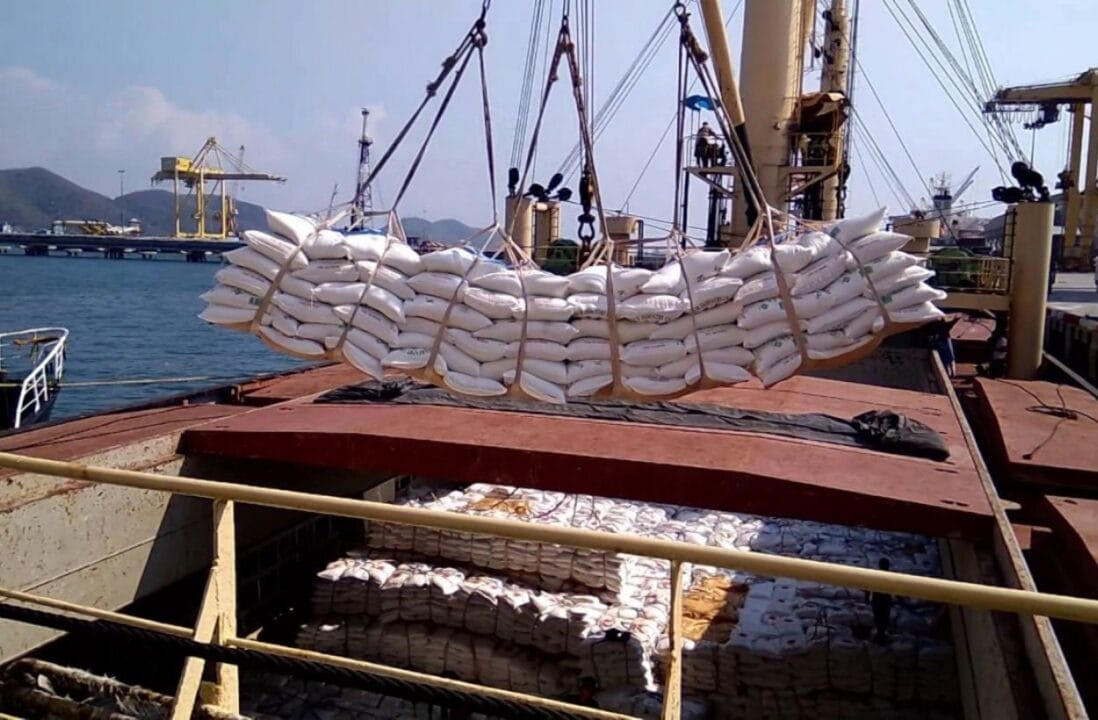
Before the container revolution, maritime transport relied on labor-intensive and inefficient methods known as “loose cargo” or “break-bulk.” Each item was handled individually, whether in sacks, boxes, barrels, or directly in bulk. This process required intense labor to load and unload ships, consuming a lot of time and driving up operational costs. Additionally, the lack of standardization in packaging and the need to accommodate different types of cargo in a single space made loading a true logistical puzzle.
Cargo was often exposed to damage and loss, whether due to improper handling, adverse weather conditions, or mixing with other goods. The security of cargo was a constant concern, and maritime insurance was costly due to the high risks involved. The speed of transport was limited not only by ship technology but also by delays in port operations, which could take weeks for complete loading and unloading.
Specialized ships, such as bulk carriers, tankers, and reefers, were developed to transport specific types of cargo that required particular conditions, such as grains, oil, and refrigerated products, respectively. This specialization allowed for more effective transport of these specific loads, but still, flexibility and efficiency were limited.
The introduction of containers by Malcolm McLean represented a paradigm shift. By standardizing the dimensions and handling of cargo, containers allowed for a significant reduction in loading and unloading times, minimized damage to goods, and revolutionized logistics by enabling efficient multimodal transport. This innovation led to a drastic reduction in transport costs and, consequently, in the cost of products for the final consumer, in addition to propelling international trade to new heights. The standardization of containers and the efficiency they brought to maritime transport were fundamental to economic globalization, radically transforming global supply chains.