Portuguese
  Spanish




Discover How Solar Windows in China Generate Clean Energy, Using Up to 75% Less Energy than Traditional Panels, Without Compromising Transparency and Aesthetics.
China has stood out in recent decades as a powerhouse in technological innovation and energy transition. Among its recent discoveries, solar windows in China attract attention for combining sustainability, efficiency, and modernity in urban architecture.
Moreover, this technology promises to transform how buildings consume energy, while reducing carbon emissions and saving energy in densely urbanized areas.
The concept of utilizing existing surfaces to generate energy is not entirely new. Since the emergence of the first solar panels in the 20th century, engineers and scientists have sought to integrate energy capture into architecture, avoiding occupying additional spaces like rooftops and land.
-
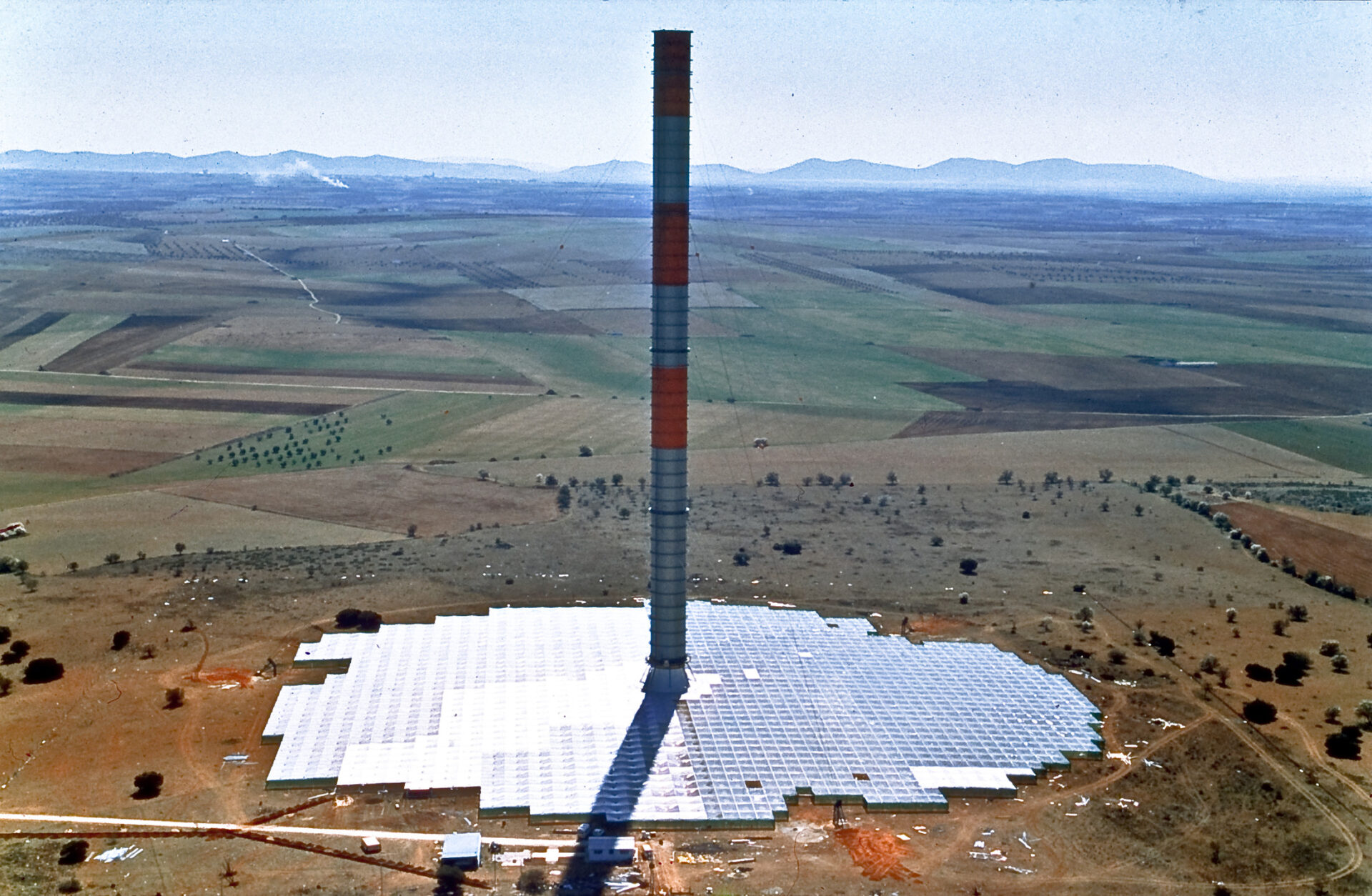
Solar Chimney in Spain Harnessed Sun to Generate Electricity for 7 Years Without Burning Fuel

-
Solar energy reaches 55 GW, becoming the second largest power source in Brazil’s energy mix

-
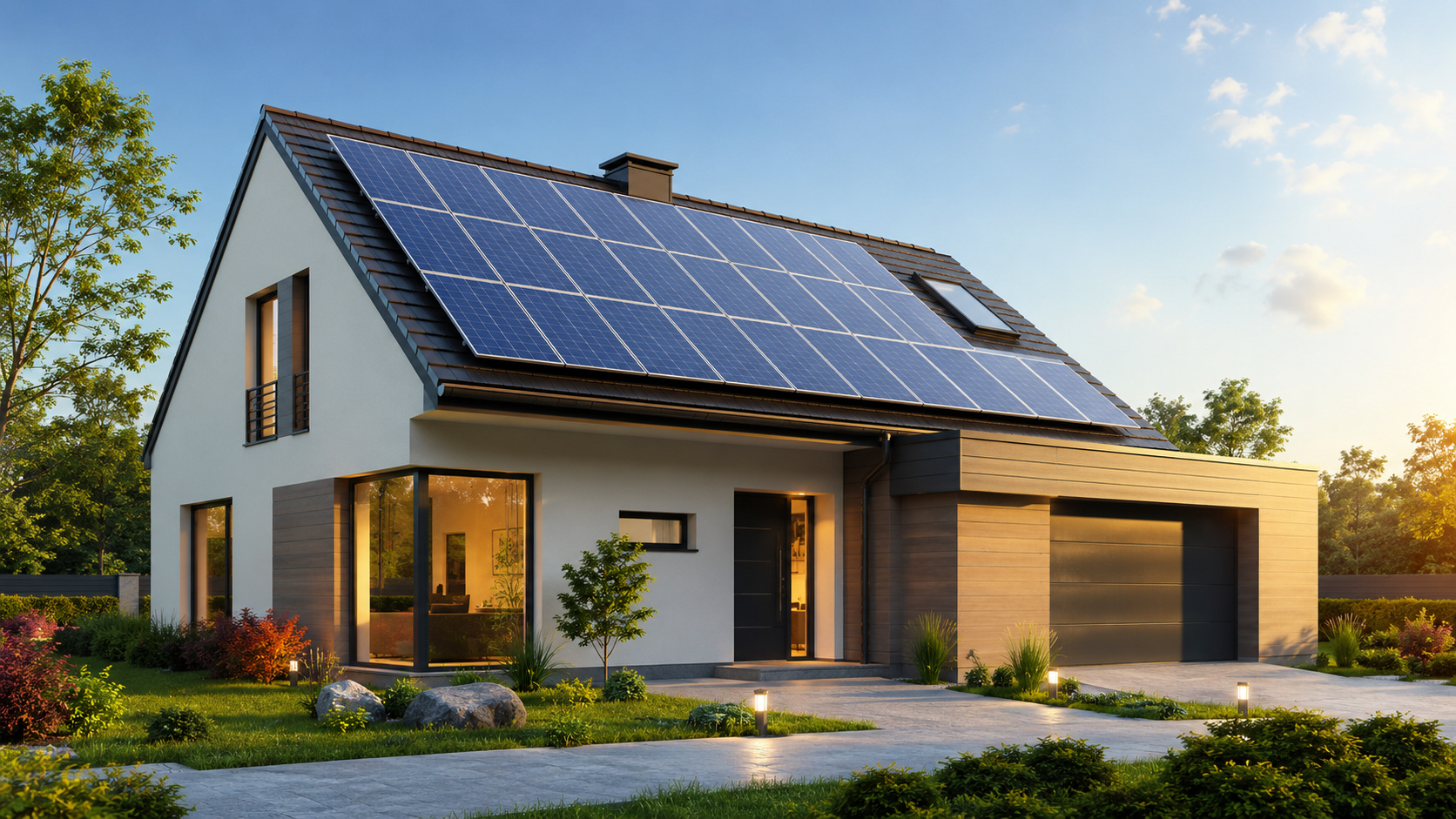
Solar energy can increase property value by up to 10% and become a selling point.
-
Solar and wind energy surpass natural gas for the first time in the world and accelerate energy revolution



However, many of these methods compromised the aesthetics of buildings, making visual integration a challenge. Therefore, it is in this historical context that solar windows in China emerge as an innovative and elegant solution.
Researchers at Nanjing University created a technology called CUSC, or Colorless Unidirectional Solar Concentrator, which transforms regular windows into clean energy generators without altering their appearance.
Unlike traditional photovoltaic panels, which require large surfaces and can block light, the CUSC maintains high transparency and true color reproduction, allowing the use of natural light without interfering with visibility.
Additionally, these windows represent a breakthrough in urban integration. In large cities, where space for solar panels is limited, the ability to generate electricity from regular windows makes better use of existing resources, without compromising the aesthetics of buildings or natural lighting.
Consequently, this efficiency, combined with the scalability of the technology, opens up new opportunities for residential, commercial, and industrial projects.
How Solar Windows Work
The technology behind these windows uses cholesteric liquid crystal films that redirect solar light to the edges of the glass.
Then, high-efficiency photovoltaic cells capture the concentrated light and convert it into electricity. Thus, the method significantly increases energy efficiency, allowing solar windows to use up to 75% less energy than traditional panels.
In practical terms, this means that buildings generate part of their own energy without relying solely on rooftop panels or external sources.
In addition to energy savings, solar windows in China offer advantages in terms of practical application. They can be incorporated into already installed glass, allowing for the modernization of existing buildings without major structural renovations.
Furthermore, the scalability of production of these windows facilitates large-scale implementation, a crucial factor in densely populated Chinese cities, where space for conventional solar panels is limited.
Application possibilities extend beyond urban buildings. For example, prototypes have shown that even small devices, like fans or portable equipment, work with this technology.
Simulations indicate that larger panels, about two meters long, significantly multiply solar light capture, reinforcing the potential for clean energy generation.
Therefore, even agricultural greenhouses can benefit from this innovation, utilizing natural light for plant growth while generating electricity.
Another interesting point is the versatility of the technology. By combining efficiency and design, it allows for the creation of new types of structures, such as smart buildings that generate energy autonomously.
Additionally, it enables the creation of modular structures that can be quickly installed in urban or rural areas.
Thus, this flexibility constitutes an important step in building sustainable and resilient cities.
Historical Context and Chinese Leadership in Clean Energy
Historically, China has heavily invested in renewable energy, consolidating itself as a global leader in this sector.
The journey began in the early 2000s when the country recognized the need to reduce dependence on fossil fuels and tackle urban pollution issues.
Since then, government policies, research incentives, and solar energy installation programs have transformed China into a true energy innovation laboratory.
In April 2025, the country achieved a historic feat: it installed more solar capacity in just one month than Australia has in its entire history.
This milestone illustrates not only the commitment to sustainability but also China’s capacity to implement large-scale projects.
In this way, solar windows in China broaden this vision, demonstrating that innovation can occur in both new constructions and existing structures.
Moreover, they promote a structural transformation in how cities consume energy.
Another relevant point is the economic impact of this technology. The clean energy sector in China currently represents about 10% of GDP, surpassing traditional segments like the real estate market.
By investing in solutions like solar windows, the country reduces costs associated with electrification and creates new job opportunities, boosting high-tech sectors.
Consequently, energy autonomy becomes a strategic objective, ensuring less dependence on fossil fuels and greater resilience against fluctuations in international energy markets.
Additionally, the development of these technologies creates a competitive advantage in the global market.
China not only dominates the production of solar panels and components but also leads in applied research, creating solutions that other countries can adopt.
Thus, the country consolidates itself as a reference in energy innovation.
Environmental and Strategic Benefits
The advancement of solar windows in China also brings significant environmental impacts.
By generating electricity locally, these windows reduce greenhouse gas emissions, combating the effects of climate change.
Furthermore, by decreasing the need for traditional solar panels, the technology reduces material consumption and the environmental impact associated with the production and disposal of these devices.
Thus, this solution promotes a sustainable approach that integrates energy efficiency, environmental preservation, and architectural aesthetics.
The relevance of this innovation extends to the global context.
As cities around the world face challenges related to accelerated urbanization, space scarcity, and the need to reduce emissions, solutions like solar windows become a replicable model.
Therefore, countries with urban space limitations can draw inspiration from the Chinese experience, adopting technologies that transform passive elements of buildings into active parts of energy infrastructure.
Strategically, China is moving towards becoming an “electrostate”, a country whose infrastructure, economy, and energy policy strongly integrate renewable sources.
Thus, innovations like solar windows in China demonstrate that the energy transition combines urban development, functionality, aesthetics, and efficiency.
This historical movement reflects the increasing priority given to energy independence, air quality, and industrial modernization, reinforcing the country’s role as a global leader in clean energy.
A Milestone in Sustainable Architecture
In summary, solar windows in China represent a milestone in sustainable architecture and technological innovation.
They combine energy efficiency, transparency, and design, transforming every surface into an opportunity to generate clean energy.
From reducing the consumption of traditional panels to contributing to environmental and strategic goals, this technology symbolizes a new era in how cities consume and produce electricity.
Looking to the future, integrating solutions like these into urban constructions promotes sustainability and redefines the relationship between architecture and energy, consolidating China as a global reference in innovation and renewable energy.
The cultural impact is also notable.
By making solar energy part of urban everyday life, solar windows in China encourage greater environmental awareness and inspire new generations of engineers, architects, and designers to create integrated clean energy solutions.
Consequently, they transform the way we think about the city of the future.