






 Portuguese
  Spanish


With approval from the National Security Council and linked to Article 9, Japan unlocks the export of lethal weapons, restricts sales to 17 countries, and debuts the new phase with Mogami frigates for Australia.
Japan officially announced on Tuesday, April 21, one of the most profound changes in its defense policy since the end of World War II: from now on, the country can authorize export of lethal weapons. The release includes systems such as fighters, missiles, destroyers, frigates, and tanks, items that have been off the external market for decades.
The shift occurs under a new set of rules with formal constraints. The export of lethal weapons must be approved by the National Security Council, chaired by the Prime Minister herself, and is limited to only 17 countries. Even with restrictions, Japan has already announced the largest military deal in its history: a contract of about $6.5 billion with Australia for enhanced Mogami frigates.
What changes in practice with the export of lethal weapons
The new rule abandons the previous model that restricted exports to non-lethal categories and now divides defense equipment into just two classes: weapons, such as warships, tanks, and missiles, and non-weapons, such as radars and other defensive equipment.
-
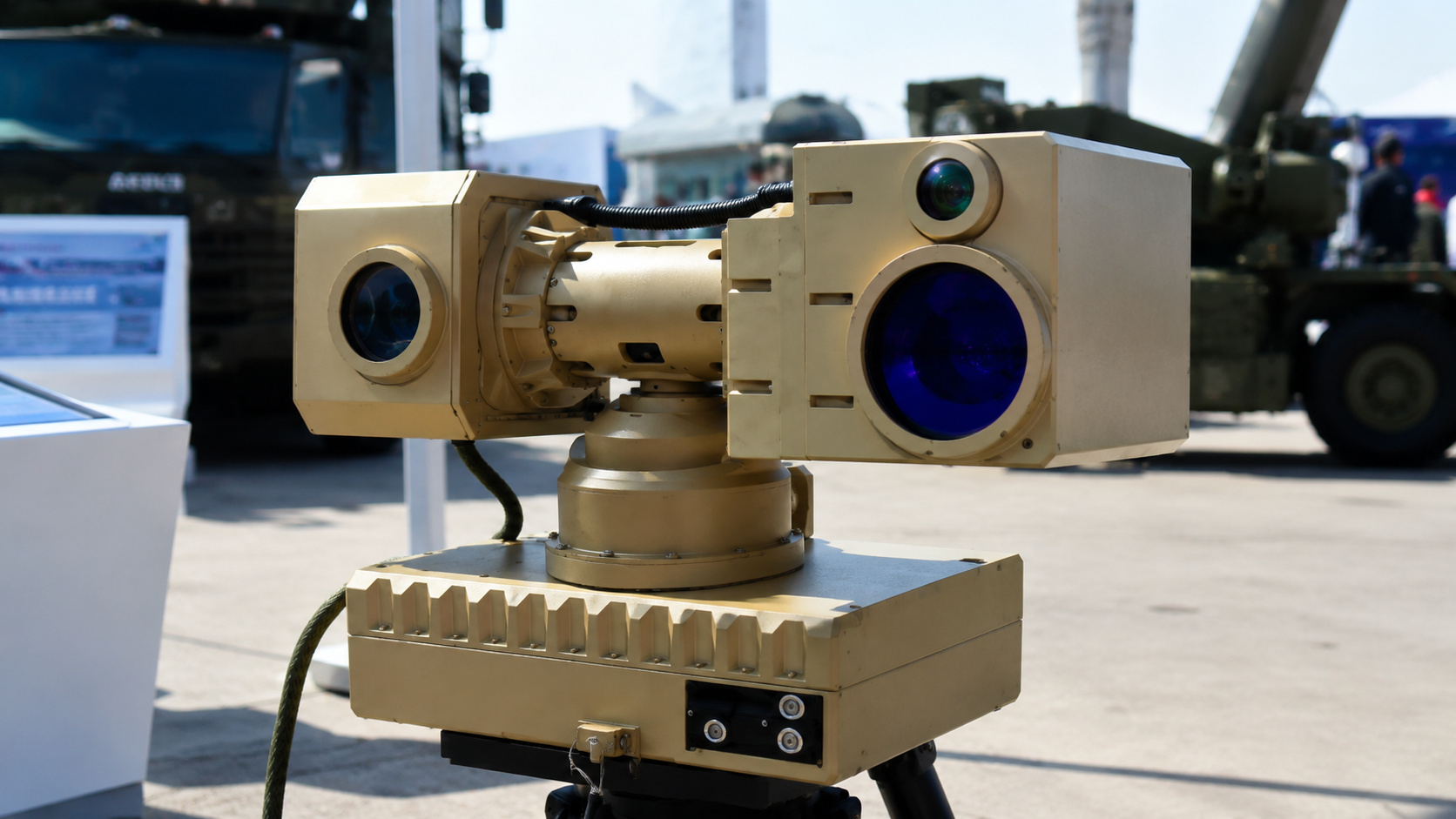
China Unveils Laser Weapon Capable of Instantly Neutralizing Military Drones, Marking a Significant Advancement in Air Defense Technology

-
U.S. Navy’s Ticonderoga-class Cruiser Becomes a 9,800-Ton Missile Fortress with Advanced Aegis System Capable of Tracking Hundreds of Targets

-
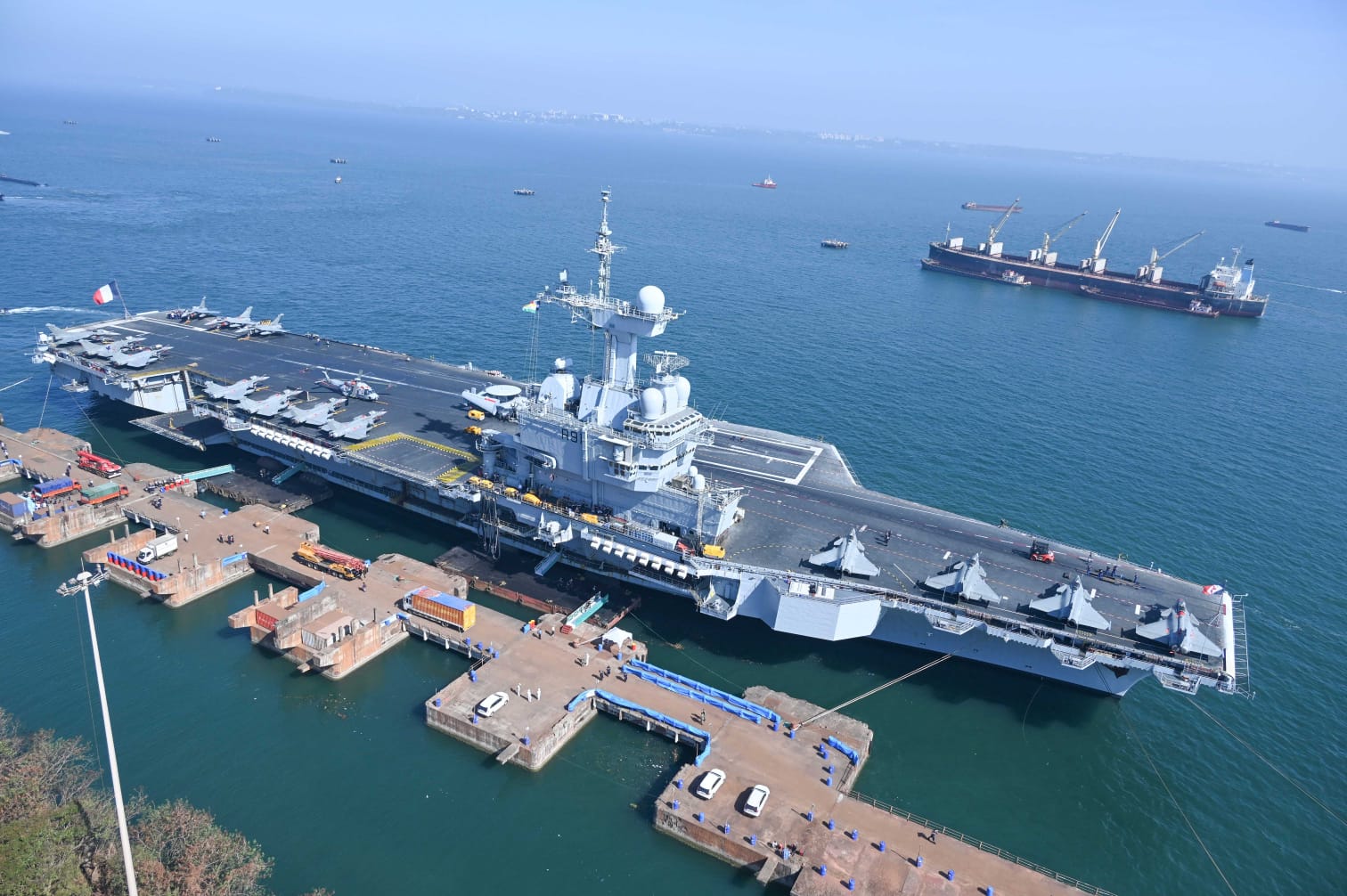
France’s Charles de Gaulle: The Sole Nuclear-Powered Aircraft Carrier Outside the US, Weighing 42,500 Tons and Equipped with Two Atomic Reactors

-
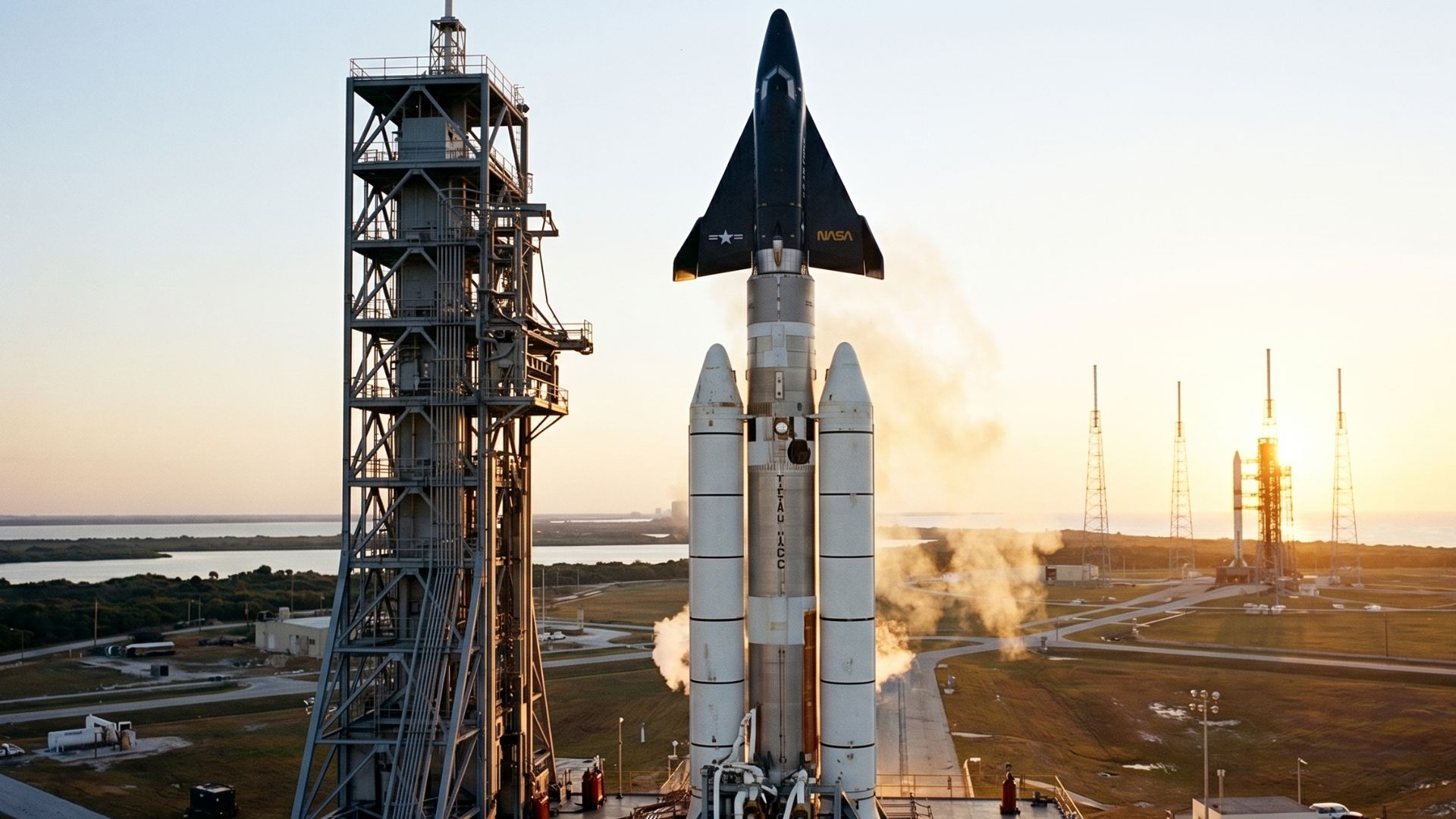
The military spaceplane that almost took the Cold War into orbit: Boeing X-20 Dyna-Soar was designed to re-enter above Mach 20, fly for up to 40 hours, land like a plane, and transform Titan rockets into a gateway to a new era of orbital warfare.

In practice, this opens the door for the export of lethal weapons that was previously prohibited, but within a decision-making funnel. Each sale of a lethal system must go through the National Security Council. Furthermore, Japan remains, in principle, prohibited from exporting to countries in active conflict, citing the case of Ukraine.
Why Japan spent almost 80 years without selling weapons abroad
The origin of the prohibition is attributed to the post-war period. After the defeat in 1945, Japan was occupied by Allied forces and, in 1946, adopted a new Constitution under strong American influence. It is there that Article 9 appears, described as a pacifist clause that renounces war as a sovereign right and prohibits the maintenance of armed forces with offensive capabilities.
According to the foundation, it is because of this arrangement that Japan does not officially have an army, navy, or air force, and operates with what are called self-defense forces. This legal framework also supported the restrictions on export of lethal weapons.
The timeline: from partial principles to total prohibition
The foundation describes that, in 1967, the then Prime Minister announced the “three principles on arms exports,” which prevented sales to nations in the communist bloc, countries under UN Security Council embargo, and those involved in international conflicts.
But the definitive constraint came in 1976, when the government adopted a unified view that prohibited Japan from exporting weapons to any destination, regardless of the country. The strategic exception mentioned was the transfer of military technologies to the United States, due to the bilateral security treaty.
How the opening began: 2014, 2023, and the final leap in 2026
The change, according to the foundational text, was not sudden. In 2014, the government replaced the previous principles with the “three principles of defense equipment transfer,” opening the door for non-lethal exports in five categories: rescue, transport, surveillance, alert, and mine clearance.
In December 2023, another step was taken: Japan authorized the sale of Patriot missiles manufactured in the country under American license back to the United States, which needed to replenish stocks after sending ammunition in large quantities to Ukraine. In 2026, the cabinet took the final step and lifted the export of lethal weapons, abandoning the limitation to the five non-lethal categories.
The context that accelerated the turn: China, North Korea, Russia, and pressure for autonomy
The foundation points out that the urgency is explained by a security environment considered “deeply deteriorated” by Tokyo. This includes the expansion of the Chinese military, tensions in the South China Sea, pressure on Taiwan, and constant incidents around the Senkaku Islands.
Following this, North Korea appears, with its ballistic and nuclear missile program, and Russia, with the war in Ukraine draining Western stocks and Moscow pressuring Tokyo in the north, in the Kuril Islands. The text also mentions Trump’s “excessively transactional” stance, demanding that allies pay more for their own defense, reinforcing the idea that a robust defense industrial base has become a condition for strategic autonomy.
The numbers that explain: 17 countries on the list and case-by-case approval
Even with the liberalization, arms exports are described as limited. Japan is restricted to exporting weapons to only 17 countries, and each sale of a lethal system requires approval from the National Security Council chaired by the Prime Minister.
The rule also maintains a significant barrier: in principle, Japan remains prohibited from exporting to countries in active conflict, which reduces the universe of potential buyers and concentrates sales on allies within the established conditions.
The first big deal: Australia closes US$ 6.5 billion for Mogami frigates


The agreement cited in the base was closed in April 2026 with Australia, in a contract worth about US$ 6.5 billion for enhanced Mogami frigates. The first three units would be built on Japanese territory and the remaining eight at the Henderson shipyard in Western Australia.
The text classifies the contract as the largest arms export deal ever signed by Japan, and positions the Mogami frigates as a showcase of what the country claims to have most advanced in naval technology.
What Japan says it has to offer: from frigates to submarines and missiles
The base describes the Japanese military industry as one of the most technologically advanced in the world and lists platforms. Among them are the Mogami frigates, described as stealth multi-mission, with a displacement of approximately 5,500 tons and 133 meters in length, in addition to inclined surfaces for signature reduction.
The armament cited includes a 127 mm Mark 45 naval gun, launchers for Type 17 anti-ship missiles, a Mark 41 vertical launch system with 16 cells for missiles, a point defense system, and torpedo tubes. A highlighted fact is the reduced crew of only 90 people, attributed to a high level of automation.
The base also cites “Tij” class submarines, described as diesel-electric, “entirely powered by lithium batteries,” focusing on higher speeds and greater autonomy than conventional diesel-electric submarines, and without the complexity of IP systems. Another highlight is the Type 12 anti-ship missile: the original land-based version would have a range of about 200 km, and the enhanced version is cited with a range of up to 100 km, in addition to GPS and terrain contour mapping.
The text also mentions the Kawasaki P1 maritime patrol aircraft, the Kawasaki C2 transport aircraft, the Type 10 main battle tank, and the Type 16 wheeled armored vehicles as part of the portfolio that could gain traction with the new arms exports.
International reaction and internal dispute: allies’ enthusiasm and China’s criticism
International reaction, according to the base, was swift. China classified the measure as “reckless militarization” and stated it would firmly resist. Within Japan, the pacifist opposition and part of civil society view the change as a violation of the spirit of Article 9.
On the other hand, countries like Australia, the Philippines, and Indonesia reportedly received the announcement with enthusiasm, treating the Japanese industry as a “safer and more reliable” alternative given the uncertainties associated with Donald Trump in the United States. The final reading of the text is that it represents the “silent burial” of an era, with post-war pacifist Japan giving way to a Japan that considers its previous stance unsustainable.
In your view, does Japan’s new arms export policy increase stability in the region by strengthening allies, or does it raise the risk by accelerating a military race in the Indo-Pacific?


