Portuguese
  Spanish


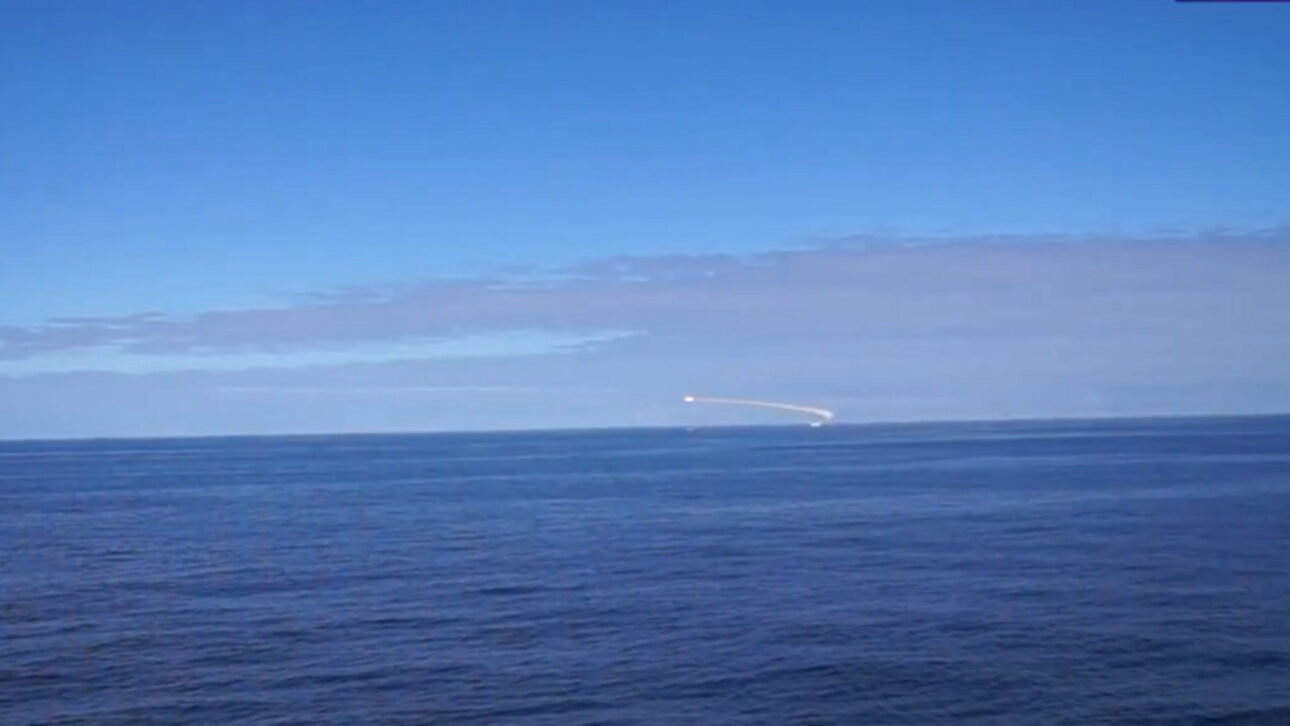
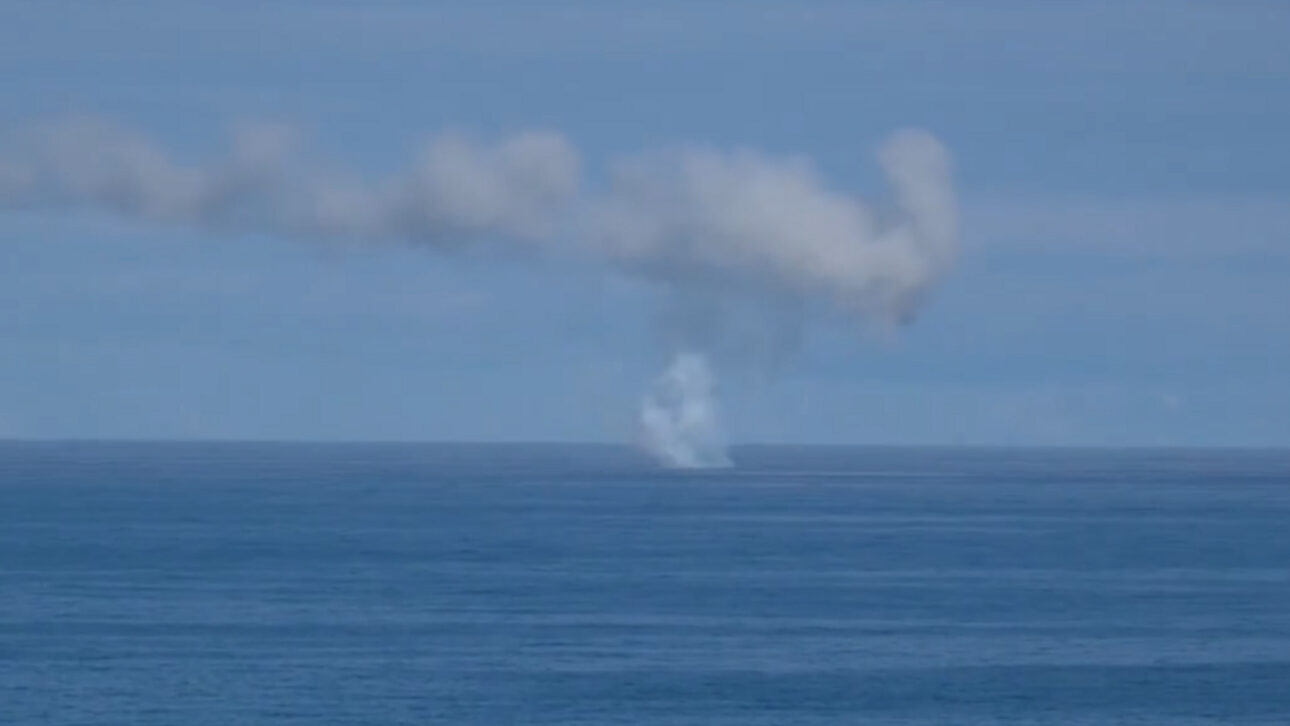
The Arkhangelsk submarine, the newest Russian nuclear submarine of the Project 885M Yasen-M, launched an Oniks anti-ship cruise missile from a submerged position in the Barents Sea and hit a target over 200 kilometers away, during a Northern Fleet exercise, according to a TASS report released on June 3, 2026.
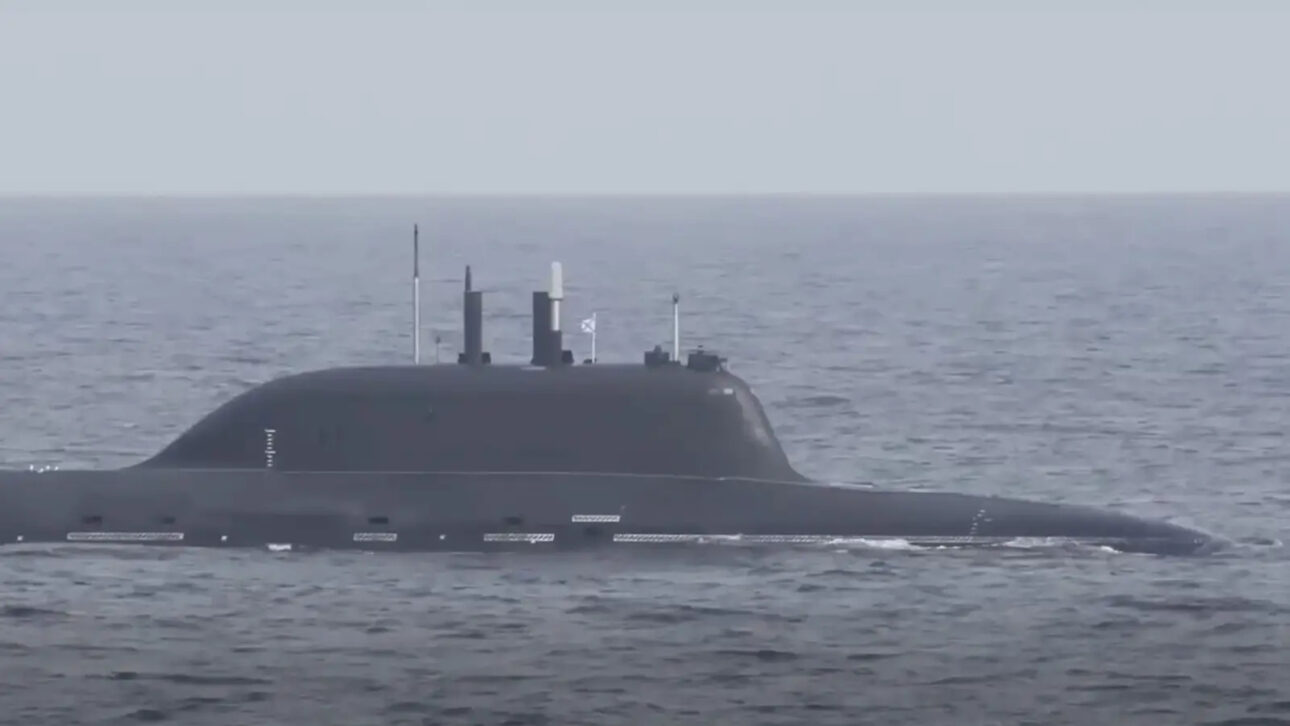
Arkhangelsk Submarine tests anti-ship attack in the Barents Sea
The shot aimed to validate Arkhangelsk’s capability to attack surface forces without surfacing.
The operation reinforces the use of the submarine as a long-range attack platform in a region marked by strategic competition between Russia and NATO.
-
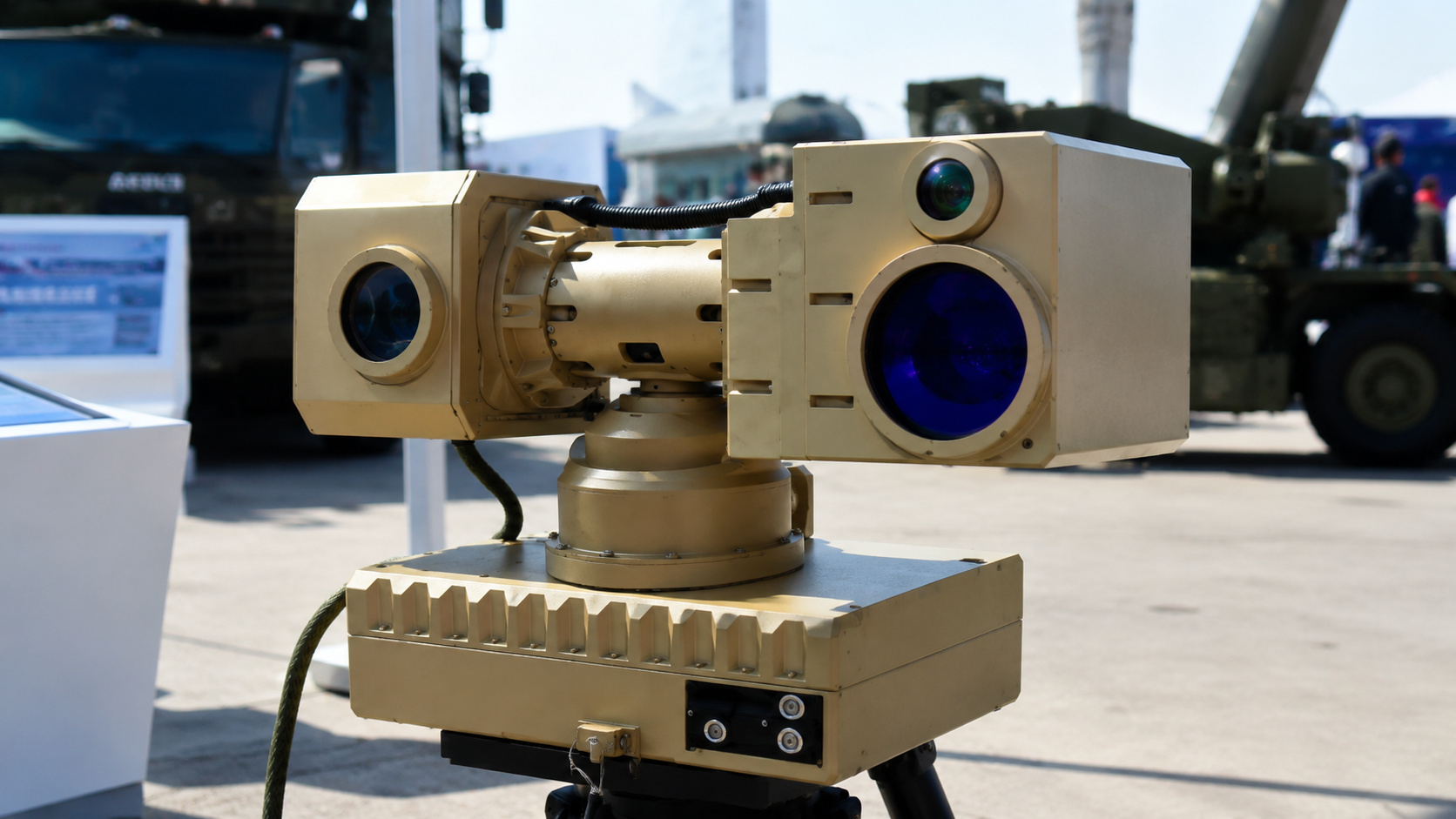
China Unveils Laser Weapon Capable of Instantly Neutralizing Military Drones, Marking a Significant Advancement in Air Defense Technology

-
U.S. Navy’s Ticonderoga-class Cruiser Becomes a 9,800-Ton Missile Fortress with Advanced Aegis System Capable of Tracking Hundreds of Targets

-
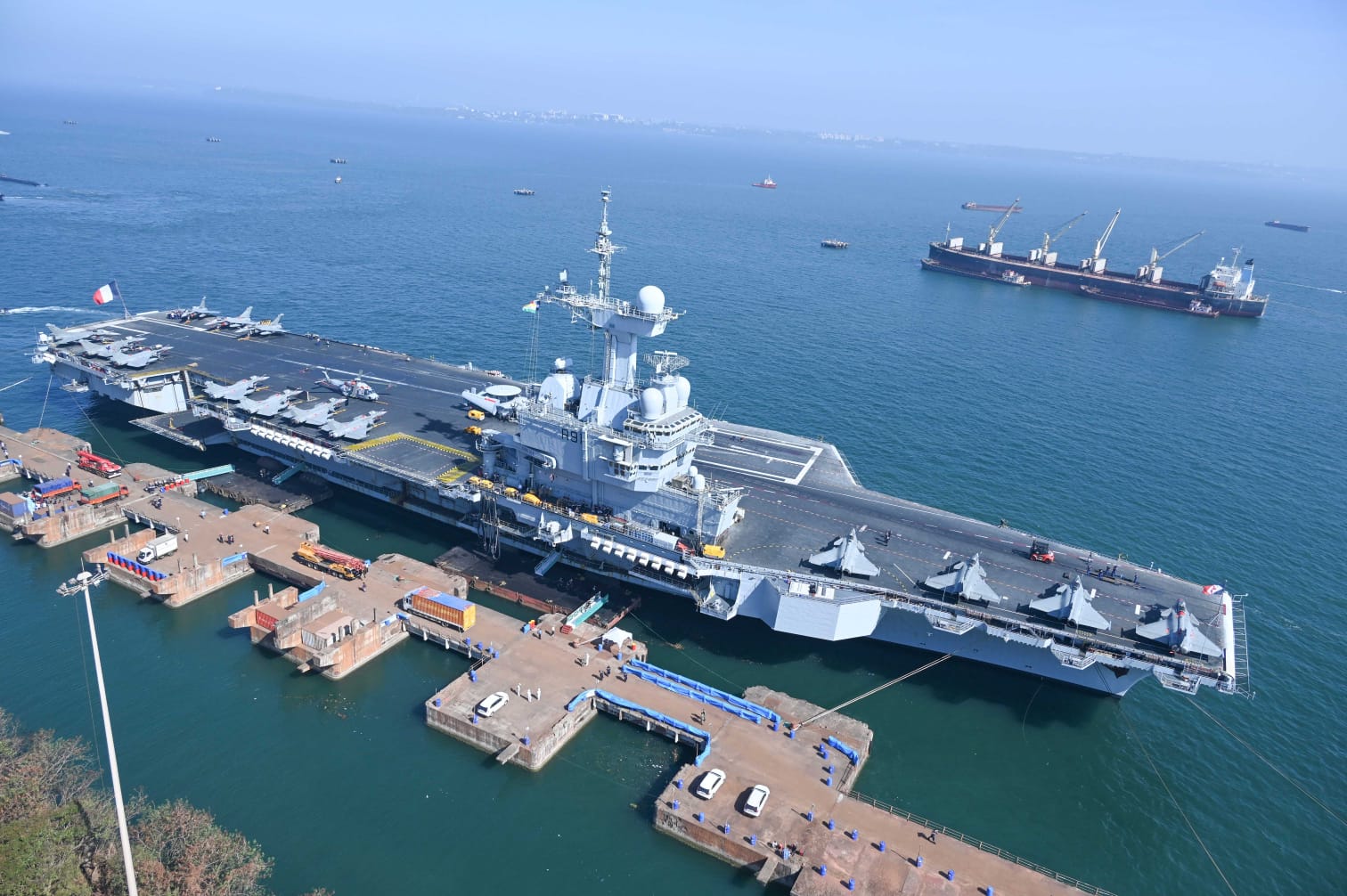
France’s Charles de Gaulle: The Sole Nuclear-Powered Aircraft Carrier Outside the US, Weighing 42,500 Tons and Equipped with Two Atomic Reactors

-
The military spaceplane that almost took the Cold War into orbit: Boeing X-20 Dyna-Soar was designed to re-enter above Mach 20, fly for up to 40 hours, land like a plane, and transform Titan rockets into a gateway to a new era of orbital warfare.


The launch of the Oniks from a submerged position allows the vessel to remain out of visual and radar range of adversary ships.
In practice, this increases the difficulty in detecting, locating, and tracking the submarine before an attack.
Vessel integrates the modernized version of the Yasen class
Identified as K-564, the Arkhangelsk belongs to Project 885M Yasen-M, the modernized version of the Yasen class.
The vessel was built by the Sevmash shipyard, launched in November 2023, and incorporated into the Russian Navy in December 2024.
Since January 2025, the submarine has been assigned to the Northern Fleet and based in Zapadnaya Litsa, on the Kola Peninsula. The region concentrates an essential part of the Russian strategic submarine force.
The Yasen-M are described, in open configuration, as submarines about 130 meters long, with an estimated submerged displacement of 13,800 tons, a crew of approximately 64 military personnel, and nuclear propulsion.
Oniks Missile combines supersonic speed and long-range attack
The class armament includes vertical silos for cruise missiles and 533 mm torpedo tubes. This configuration allows the use of Oniks anti-ship missiles, Kalibr missiles, and, in more recent versions, Zircon hypersonic missiles.
The P-800 Oniks, also known by the Western code SS-N-26, is a supersonic anti-ship cruise missile developed by Russia.
In open sources, it is described as a weapon approximately 8.9 meters long, about 3 tons, and with a speed greater than Mach 2.
Its high-speed attack trajectory seeks to reduce the reaction time of adversary naval defenses. The range can vary depending on the version and flight profile.
High North remains a sensitive area for Russia and NATO
The Yasen-M class was designed to gradually replace attack and cruise missile submarines inherited from the Soviet era, including platforms from the Akula and Oscar classes.
The Yasen-M generation combines acoustic stealth, automation, anti-submarine warfare, attack against surface ships, and the use of cruise missiles against land and naval targets.
The relevance of the Barents Sea has grown with the intensification of Russian military presence in the Arctic and the strengthening of allied surveillance in the North Atlantic, the Norwegian Sea, and the GIUK region, between Greenland, Iceland, and the United Kingdom.
This article was prepared based on information from the Russian state agency TASS and the base material provided, with data, numbers, and statements preserved according to the consulted material.