Portuguese
  Spanish


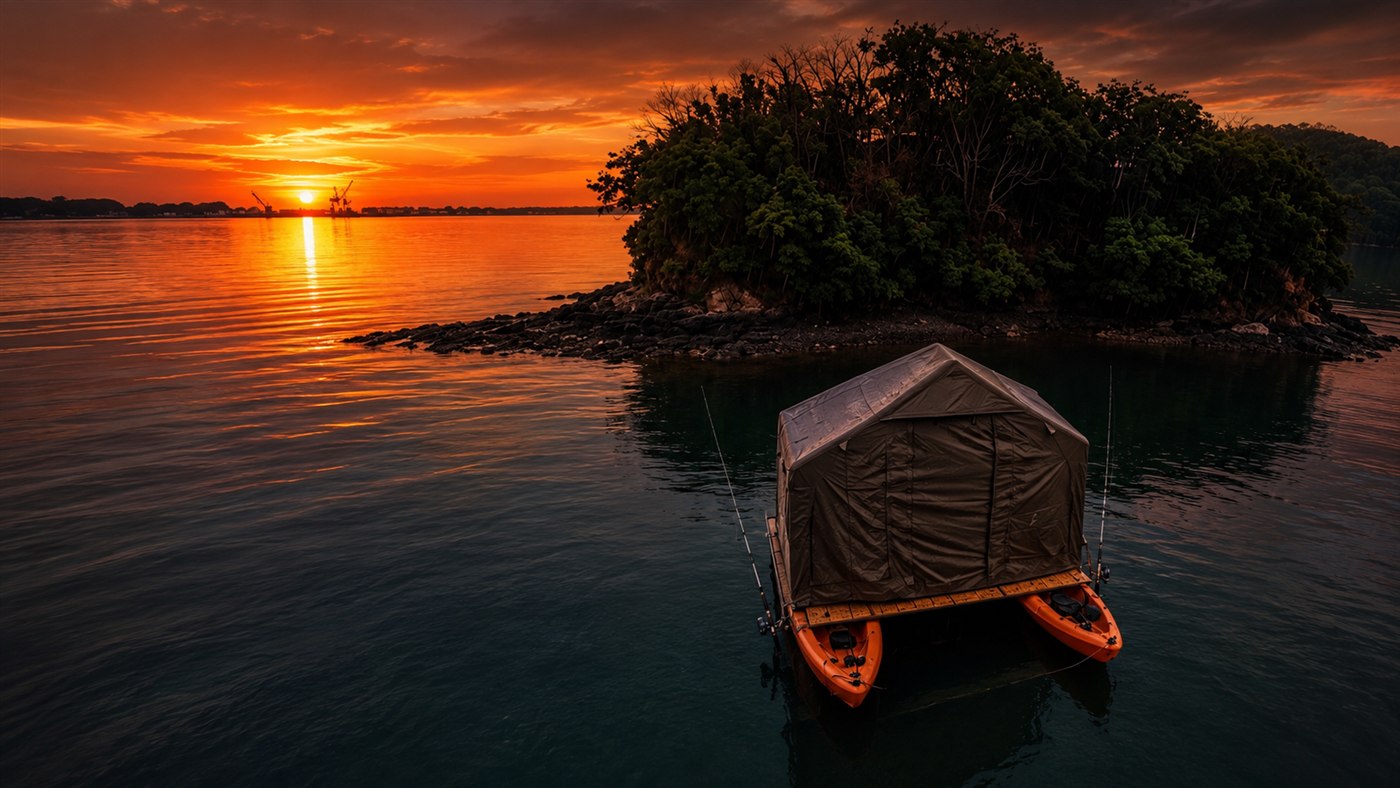

Spending almost an entire day alone at sea, fishing and sleeping inside a small boat that fits on the car roof, is the proposal of a Japanese project that treats the boat as a shelter. According to the channel NORA JP Fishing, in a record published in June 2026, the fisherman faces a daily routine of 18 hours of fishing, camping, and adventure aboard a cartop boat, the lightweight type of vessel that is carried on the vehicle instead of being towed on a trailer.
The central idea is to transform the boat into temporary housing. The vessel stops being just a means to reach the fishing spot and becomes a mobile shelter that floats on the sea, allowing 18 consecutive hours on the water, with space to fish during the day and rest at night without returning to land, as shown by NORA JP Fishing. It’s the fusion between boat fishing and camping, in a hull small enough to fit on the roof of a regular car.
What is a cartop boat and why it does not require a trailer
The category explains the appeal of the project. According to NORA JP Fishing, a cartop boat is a vessel light enough to be transported on the car roof, without needing a trailer or a prepared ramp, allowing it to be launched from almost any accessible shore.
-
73-Year-Old Chemical Engineer Turns Luxury Shoe, Bag, and Jacket Restoration into Family Business in São Paulo, Showcasing the Timeless Value of Craftsmanship

-
Japanese Botanist’s Miyawaki Method Grows Native Forests in Small Spaces in Just Years, Not Decades

-
800-Year-Old Cliffside Temple in Greece Amazes with Secret Cave, Drawbridge, and Stunning Views

-
Japan’s “Akiya” Homes: Abandoned Properties Attract Foreign Buyers as Locals Shun Them


This simplicity is the greatest asset of the concept. Without a trailer, without a hitch, and without relying on a marina, this lightweight hull reduces the entry barrier for boat fishing, as the fisherman carries the boat on their own car, launches from any beach or ramp, and gets into the water in minutes, a notable context of small-scale boating. It’s the same logic as kayaks and light boats, applied to a hull that also serves as a shelter for sleeping.
The 18 hours of fishing and camping on board
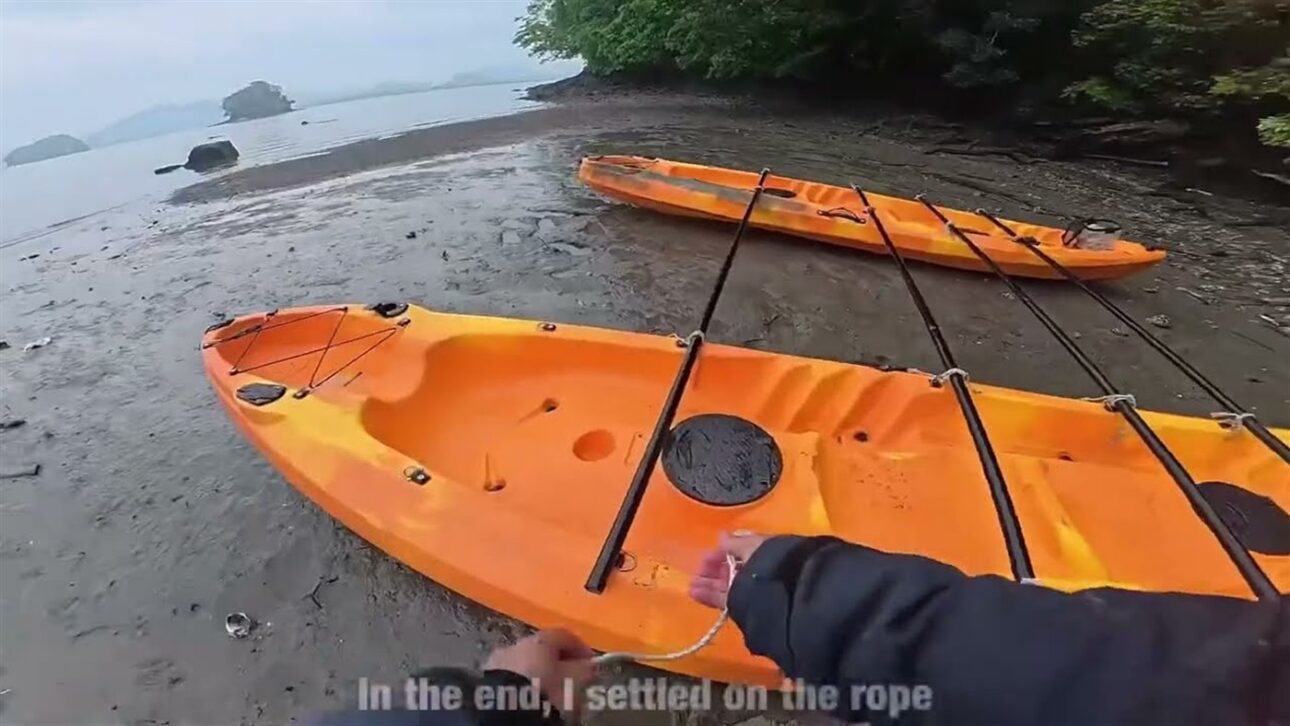
The long daily routine is the heart of the record. According to NORA JP Fishing, the fisherman spends 18 hours at sea aboard the light boat, dividing time between fishing, meal preparation, and rest, in a routine that brings the experience closer to camping on the water.
Spending so much time on board changes the fishing planning. An 18-hour daily routine requires the vessel to handle not only navigation but also shelter, equipment storage, and the fisherman’s safety alone, transforming the hull into a small floating refuge instead of a simple leisure boat, as recorded by the NORA JP Fishing channel on YouTube. It is this prolonged autonomy that sets the project apart from a common fishing boat.
The Trout Ranger Wild and the 500 units of crowdfunding
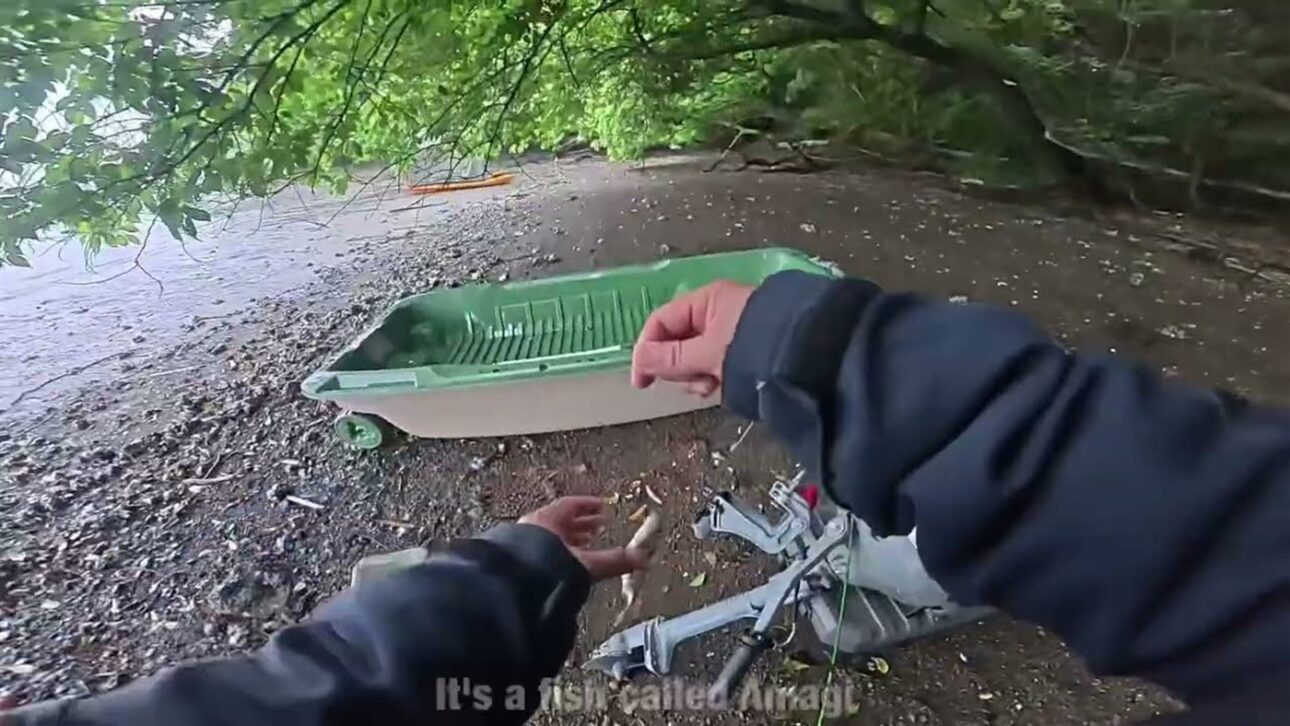
Behind the video, there is a product in pre-sale. According to NORA JP Fishing, the model shown is the Trout Ranger Wild, offered in a crowdfunding campaign, with production limited to 500 units, giving the project a small series character rather than mass production.
The unit limit impacts the business model. The offer of only 500 units through crowdfunding brings the Trout Ranger Wild closer to an artisanal launch, where demand funds production in advance, a common path for niche boats that wouldn’t have scale in a traditional factory, a well-known context in the small-scale nautical market. It’s the fisherman also becoming an early partner of the boat they want to use.
Why the light boat resonates with fishing in Brazil
The proposal has a direct translation in Brazilian waters. In Brazil, sport fishing drives a large market for light aluminum boats, kayaks, and dinghies, widely used in reservoirs, rivers, and coastal areas, precisely because of their ease of transport and lower cost compared to trailer boats.
The concept of a floating shelter expands this universe. The idea of a cartop boat that also serves as a shelter for long fishing trips resonates with the Brazilian fisherman who travels reservoirs and rivers in search of peacock bass, dourado, and other species, and who values a light boat, easy to launch, and capable of sustaining an entire day on the water, a notable parallel for the sport fishing sector in the country. From the Japanese sea to the Minas Gerais reservoir, the logic is the same: the lighter and more independent the boat, the more places the fisherman reaches.
What the project teaches about niche boating


The case is a portrait of custom nautical craftsmanship. Creating a lightweight boat designed to become a shelter, selling it in a limited series, and testing it on an 18-hour day shows how small manufacturers create specific products for a passionate audience, far from the mass production of large shipyards.
The lesson applies beyond fishing. A lightweight vessel, transportable on the car roof and capable of serving as a floating refuge sums up the trend of compact and multifunctional nautical products, which trade size and power for practicality and autonomy, exactly what the Trout Ranger Wild offers in its series of 500 units, a consolidated market route. The cartop boat proves that adventure, fishing, and even a night at sea can fit in a hull that goes on the car roof.
The video follows the 18-hour day of fishing and camping aboard the lightweight boat, showing the routine at sea and the details of the Trout Ranger Wild model.
The cartop boat that turns into a shelter proves that a lightweight hull can be transformed into a fishing base for almost an entire day at sea. Tell us in the comments: would you spend 18 hours alone fishing in a boat that fits on the car roof?