Portuguese
  Spanish


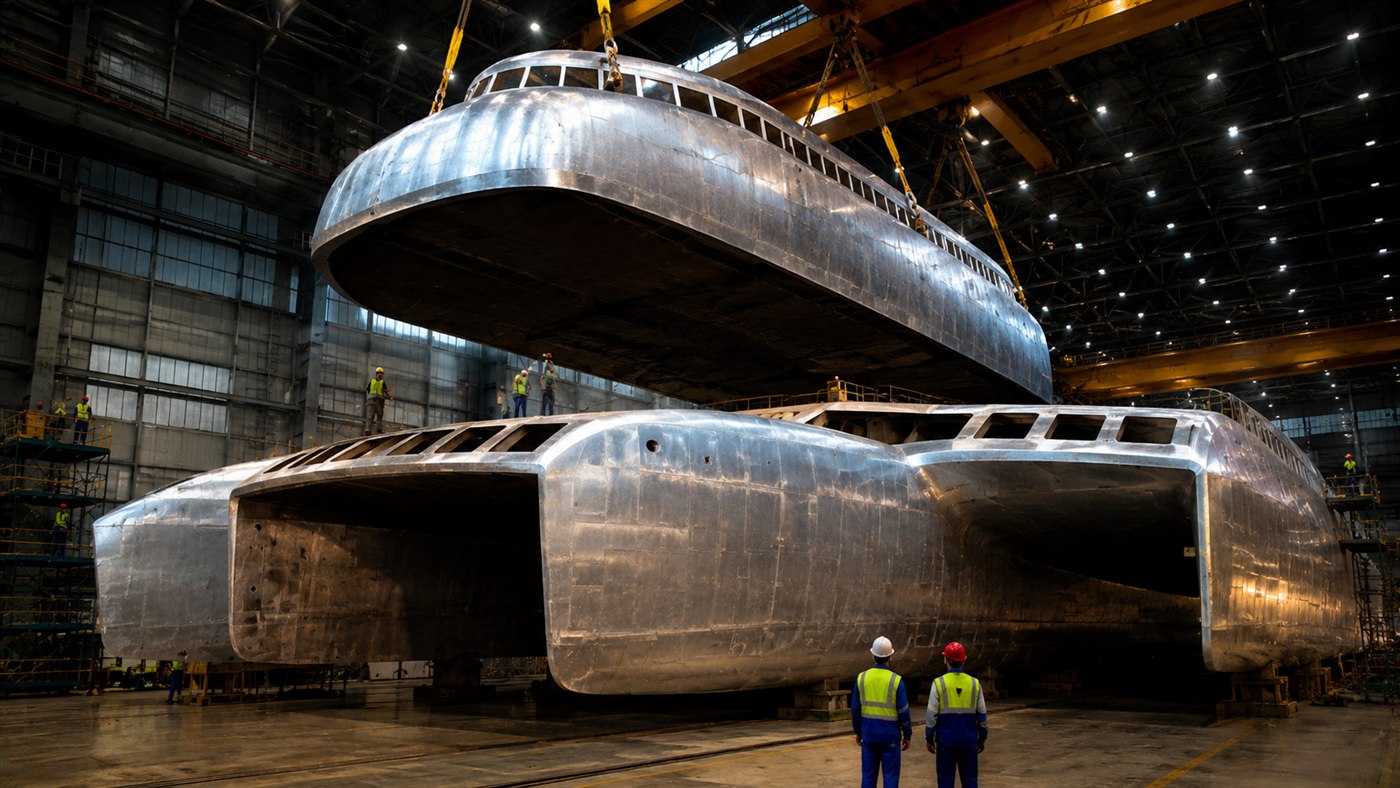

The Yachtory documentary enters the Austal shipyard and shows the 1,100-seat passenger cabin being lowered onto the hull, the four MTU engines that push the ship to 38 knots, and the artificial intelligence software that designs the hull before cutting the steel
Seeing a passenger cabin the size of a building being lifted into the air and fitted onto the hull of a ship is the kind of scene that sums up cutting-edge naval engineering. According to the Yachtory channel, in a documentary published in July 2026, the Australian shipyard Austal assembles the Bajamar Express, a high-speed trimaran ferry of 380 feet, about 116 meters, in a process that takes more than 3 years from the first cut to delivery.
The ship’s numbers explain the ambition. The ship costs about $74 million, equivalent to about 70 million euros, and is capable of carrying up to 1,100 passengers, 278 vehicles, and 750 tons of cargo at a cruising speed of 38 knots, as Yachtory details. All this in a trimaran hull designed to combine ferry capacity with the speed of a speedboat.
Two giant blocks that become a single trimaran
The assembly is divided to save time. According to Yachtory, the trimaran is built in two main sections: the passenger cabin, with the seats and service areas, and the hull and bridge structure, which houses the propulsion, navigation, and operation controls.
-
Scientists Develop Battery Using Mineral Found in Bones and Chalk, Surviving 1,000 Charges While Retaining 75% Capacity, Paving the Way for a Lithium-Free Future

-
Super-Earth Twice the Size of Our Planet Discovered Nearby, Offering Clues About Life Beyond the Solar System
-
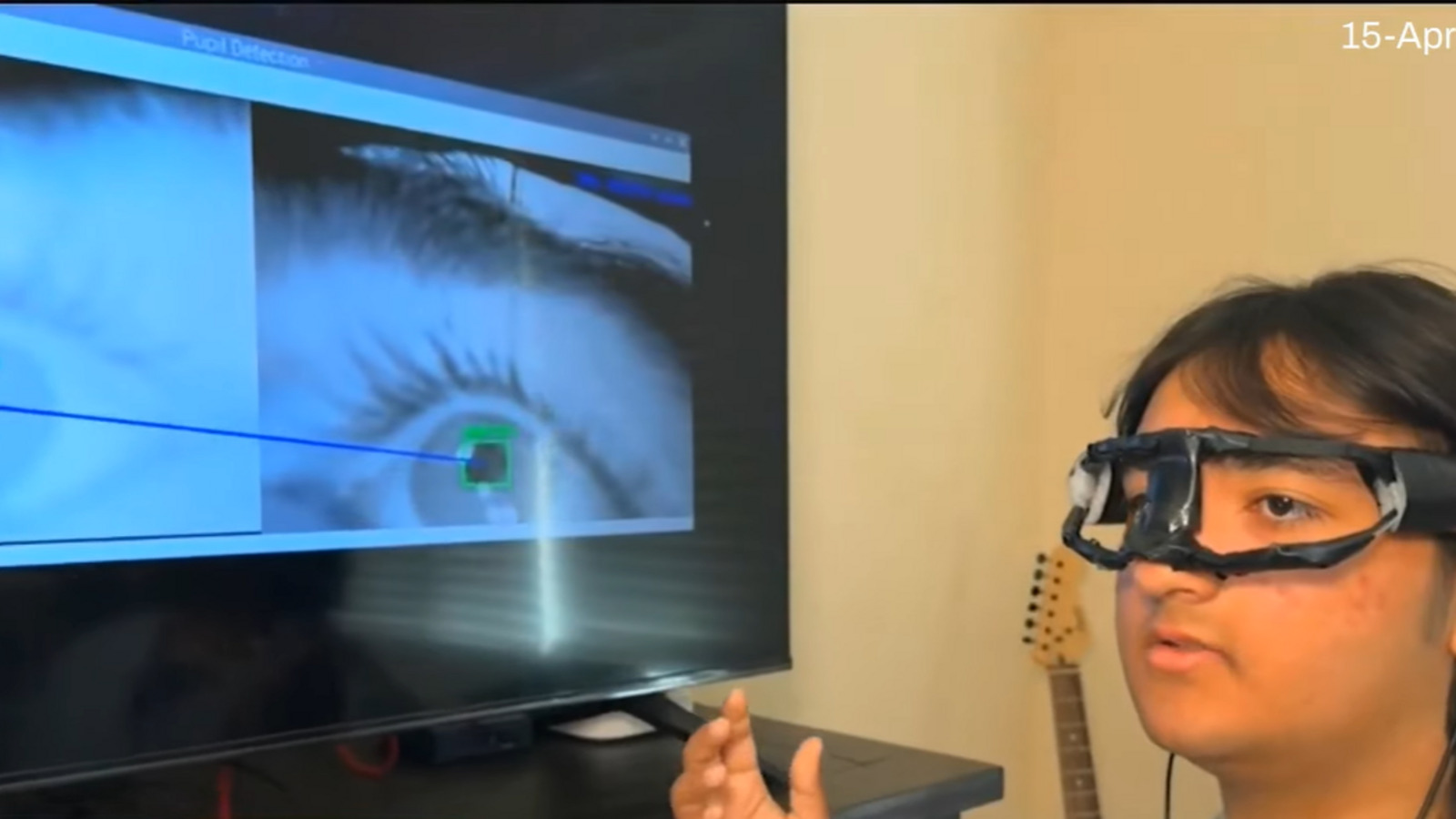
Teen Invents Promising AI Device to Detect Eye Misalignment Using 3D-Printed Visor and Small Cameras for $300

-
Bosch Unveils Series 8 Dishwasher with Zeolith Drying, Voice Control, and Energy-Efficient Features




Separating into modules is the secret to productivity. Assembling the cabin and hull in parallel allows teams to work on both parts simultaneously, and in the final fitting, thousands of tons of structure need to align with millimetric precision, in a process that seems to last minutes in the video but takes several days, as Yachtory shows. Transport vehicles maneuver the lower section of the trimaran slowly into position, under the already suspended cabin.
1,100 passengers, 278 cars, and 750 tons of cargo
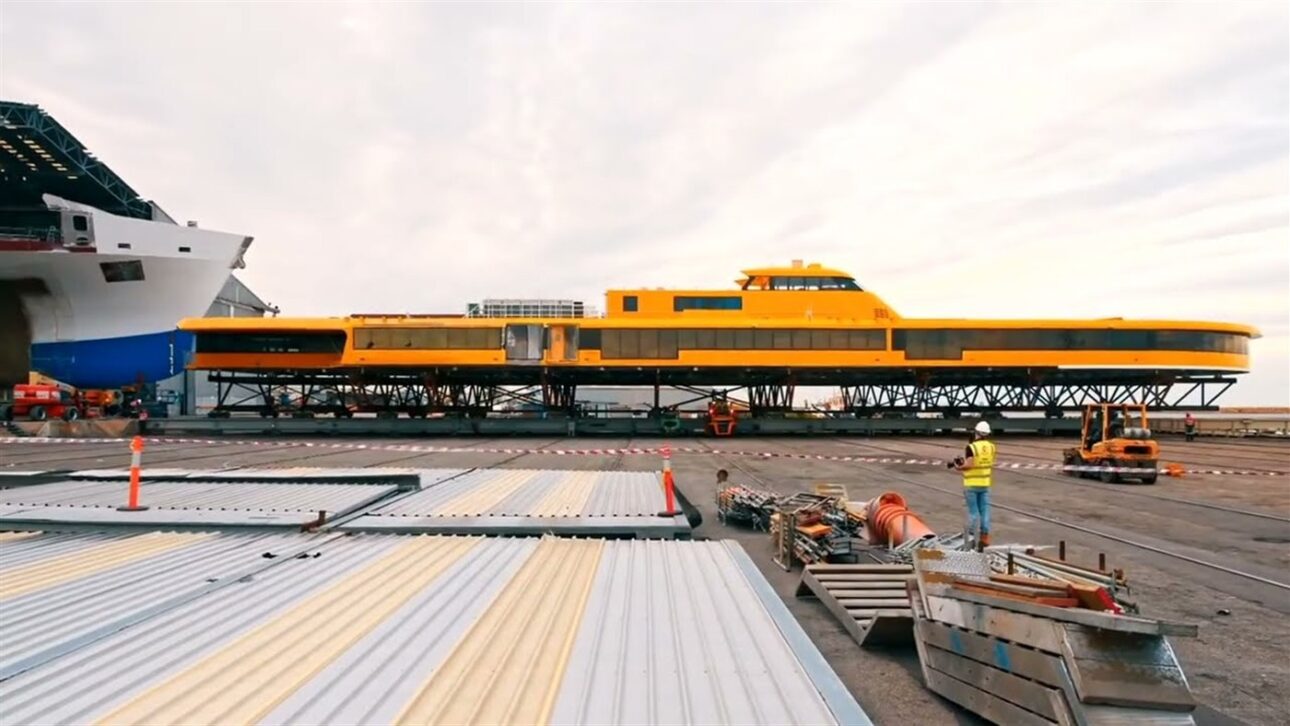
The capacity is what justifies the size of the triple hull. According to Yachtory, the Bajamar Express was designed to carry a large number of passengers at high speed without sacrificing comfort, with bars, kiosks, shopping areas, and even a children’s space on board.
This volume places the ship in an elite category. With up to 1,100 passengers, 278 vehicles, and 750 tons of cargo, the fast ferry combines the capacity of a large ferry with the agility of a sleek hull, the kind of machine that only makes sense on high-demand routes like those of the Canary Islands, as Yachtory records. The sister ship, the Bañaderos Express, has the same configuration and connects Gran Canaria to Tenerife.
Four MTU engines and waterjets to cruise at 38 knots
Propulsion is the heart of speed. According to Yachtory, the ferry is powered by four MTU diesel engines, each delivering 9,100 kW, about 12,200 horsepower, which drive four Kamewa waterjets instead of conventional propellers.
It is this combination that gives the performance of a speedboat to a huge ship. The four waterjets push the trimaran to a cruising speed of 38 knots, with an operational range of about 710 nautical miles, numbers that would make many much smaller vessels envious, as Yachtory explains. The waterjets, which throw water backward instead of spinning propellers, are the standard for these fast ferries precisely because they combine power and maneuverability in shallow waters, where an exposed propeller would risk hitting the bottom. Launching a ship of this size into the water is also a multi-day operation: in another vessel of the same family, the launch took about 5 days, with the hull transported from the shed by a self-propelled modular transporter, then transferred to a barge and only then taken to open sea.
The AI that designs the hull before cutting the steel
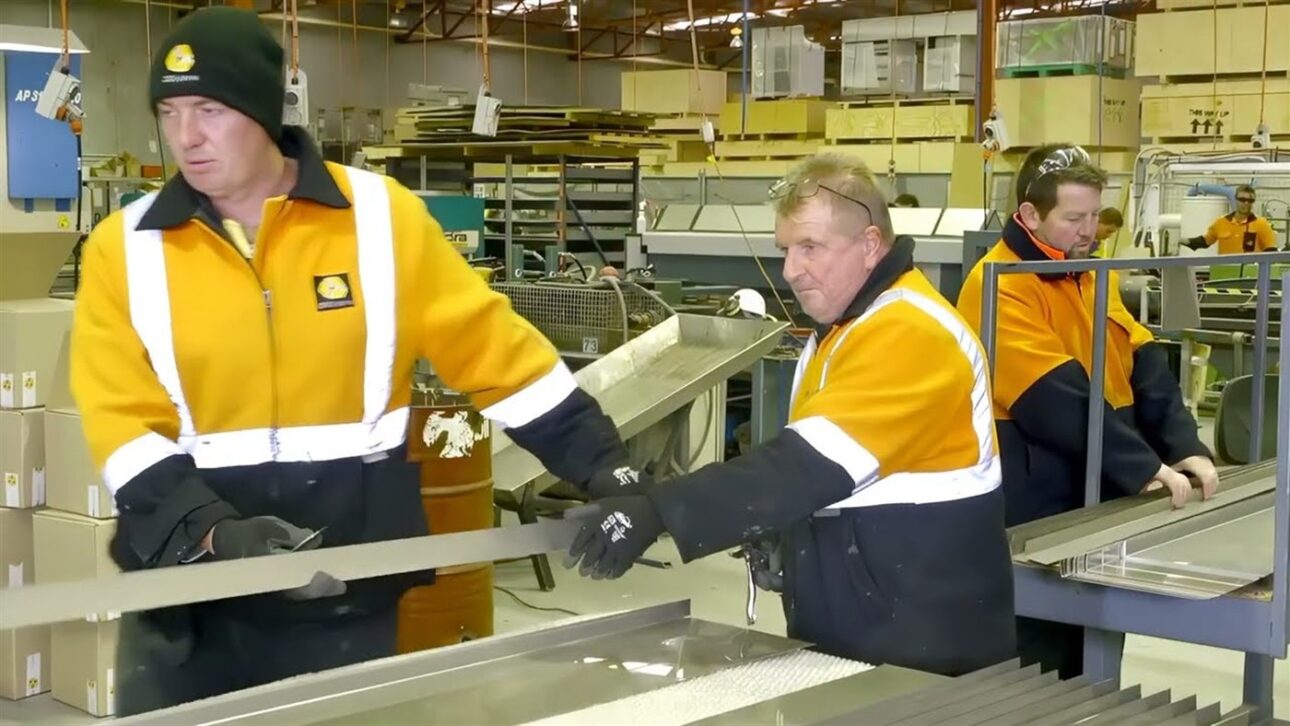
The project begins long before the first sheet is cut. According to Yachtory, Austal uses a proprietary artificial intelligence software called Deep Morphir, which analyzes and optimizes monohull, catamaran, and trimaran hulls to fine-tune performance before construction begins.
The technology saves fuel and gains speed. The artificial intelligence tool evaluates numerous design variations to improve efficiency, consumption, speed, and overall performance, and one of its results is the Express 5, a 370-foot high-speed catamaran that today operates as the world’s largest fast catamaran ferry, as Yachtory points out. It is proof that, in modern naval engineering, the hull is born in the computer before it is born in steel.
Austal, $74 million and more than 3 years per ship
Behind the work is an industrial powerhouse. According to the Yachtory channel on YouTube, Austal was founded in 1988, employs nearly 6,000 people, and is one of the largest manufacturers of fast ferries and advanced naval ships in the world, with shipyards in Australia, the United States, and the Philippines.
The production logistics explain the timeline and cost. The Spanish operator Fred Olsen Express ordered two identical ships in 2017 and received both in 2021, each requiring more than 3 years of work, and building them in different shipyards, one in Australia and another in the Philippines, shortened the overall timeline by allowing simultaneous work, as Yachtory reports. The Yachtory documentary also covers the construction of superyachts from shipyards like Royal Huisman and Oceanco, but it is the high-speed ferry that opens the production. After the ship touches the water, the work is far from over: engineers finish the interior, adjust the equipment, and subject each onboard system to extensive testing, including sea trials with Fred Olsen Express itself, to ensure the vessel meets all performance and safety requirements before entering regular operation. It is this rigor of finishing and testing, combined with the millimeter precision of the fit between the cabin and the hull, that separates the construction of a high-speed trimaran from any conventional naval work.
Why the high-speed ferry matters to Brazil


The topic has direct resonance in Brazilian waters. Brazil has strong passenger water transport, from the ferries of Guanabara Bay in Rio to the catamarans that connect Salvador to Morro de São Paulo and the fast lines in the Amazon, where the river is the road and the fast boat shortens hours of travel.
The trimaran technology aligns with these routes. Fast ferries with lightweight aluminum hulls and waterjets, like those Austal manufactures, are exactly the type of vessel that serves busy crossings and island routes, and the Canary Islands model serves as a reference for Brazilian water transport seeking more speed and capacity, a notable parallel for the mobility sector in the country. From the Spanish archipelago to the Bay of All Saints, the equation is the same: where there are many people to cross the water, the fast ferry compensates for the high manufacturing cost.
The video covers the assembly of the Bajamar Express trimaran at Austal, the fitting of the cabin onto the hull, the MTU engines, the waterjets and the artificial intelligence software that designs the hulls.
The construction of the trimaran proves that a high-speed ferry is like skyscraper engineering laid on the water. Tell us in the comments: would you take on a crossing at 38 knots in a trimaran with 1,100 passengers?