Portuguese
  Spanish


Industrial expansion in Indaiatuba reinforces the brand’s strategic presence in the country and points to accelerated growth of agricultural mechanization among small Brazilian producers
Yanmar’s expansion in Brazil marks a decisive moment for the agricultural mechanization sector. The information was disclosed by “CompreRural,” based on an exclusive interview conducted during Agrishow 2026, revealing details about the investment of approximately R$ 280 million in the construction of a new factory in Indaiatuba (SP).
Over the last decades, Yanmar has built a solid trajectory in the country, starting in the 1960s when it installed its first unit outside Japan. Since then, the company has consolidated its position as a reference in compact tractors and solutions aimed at small and medium-sized producers, with a strong presence in segments such as coffee, horticulture, and livestock.
Now, with the confirmation of the new industrial plant, the company takes an important strategic step. Furthermore, it reinforces its long-term vision for Brazilian agribusiness, betting on sustainable growth and increased productivity in the field.
-
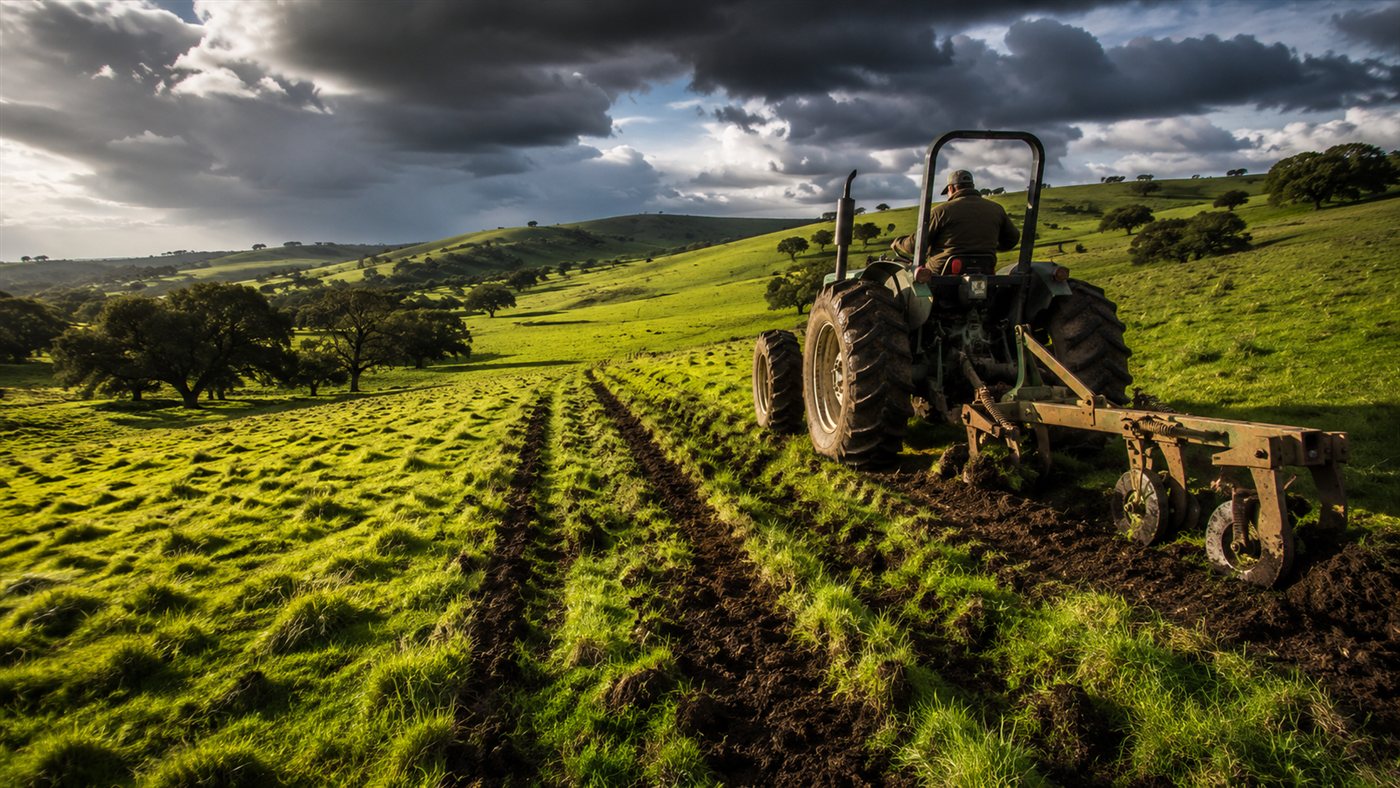
Regenerative Farmers Use Keyline Plow to Improve Pasture Hydration, Storing 1 Gallon of Water Every 30 Centimeters

-
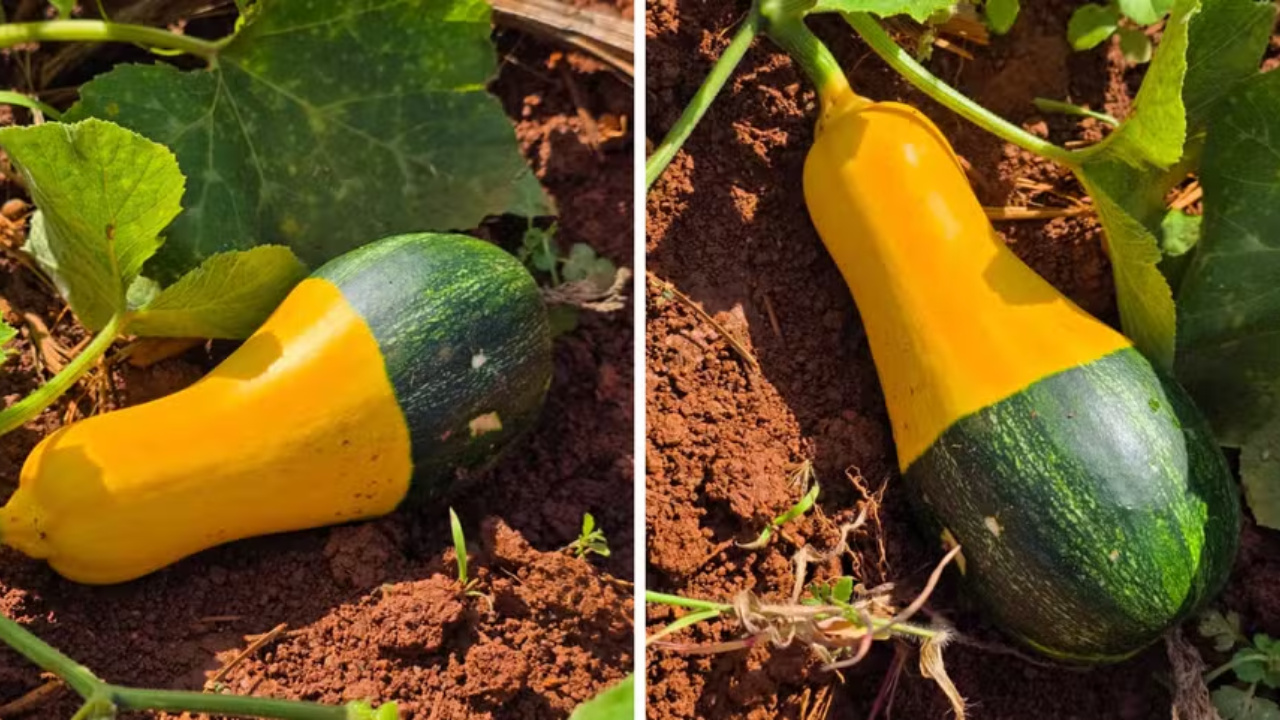
Bicolor Pumpkin Resembling Hand-Painted Art Discovered by Brazilian Researchers in the Capital Due to “Spontaneous Mutation”

-
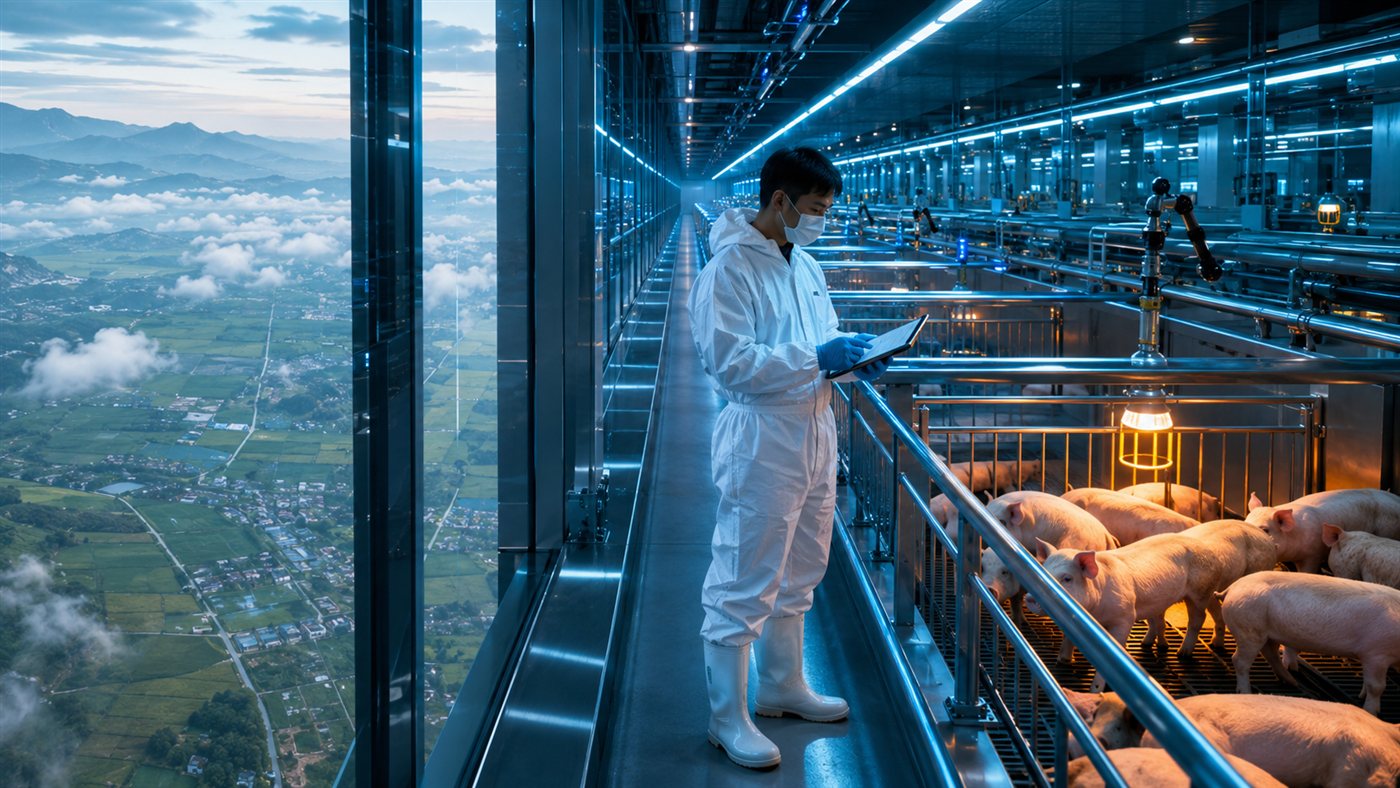
In China, a 26-story building produces 1.2 million pigs annually, revolutionizing livestock farming with tube feeding and AI surveillance.
-
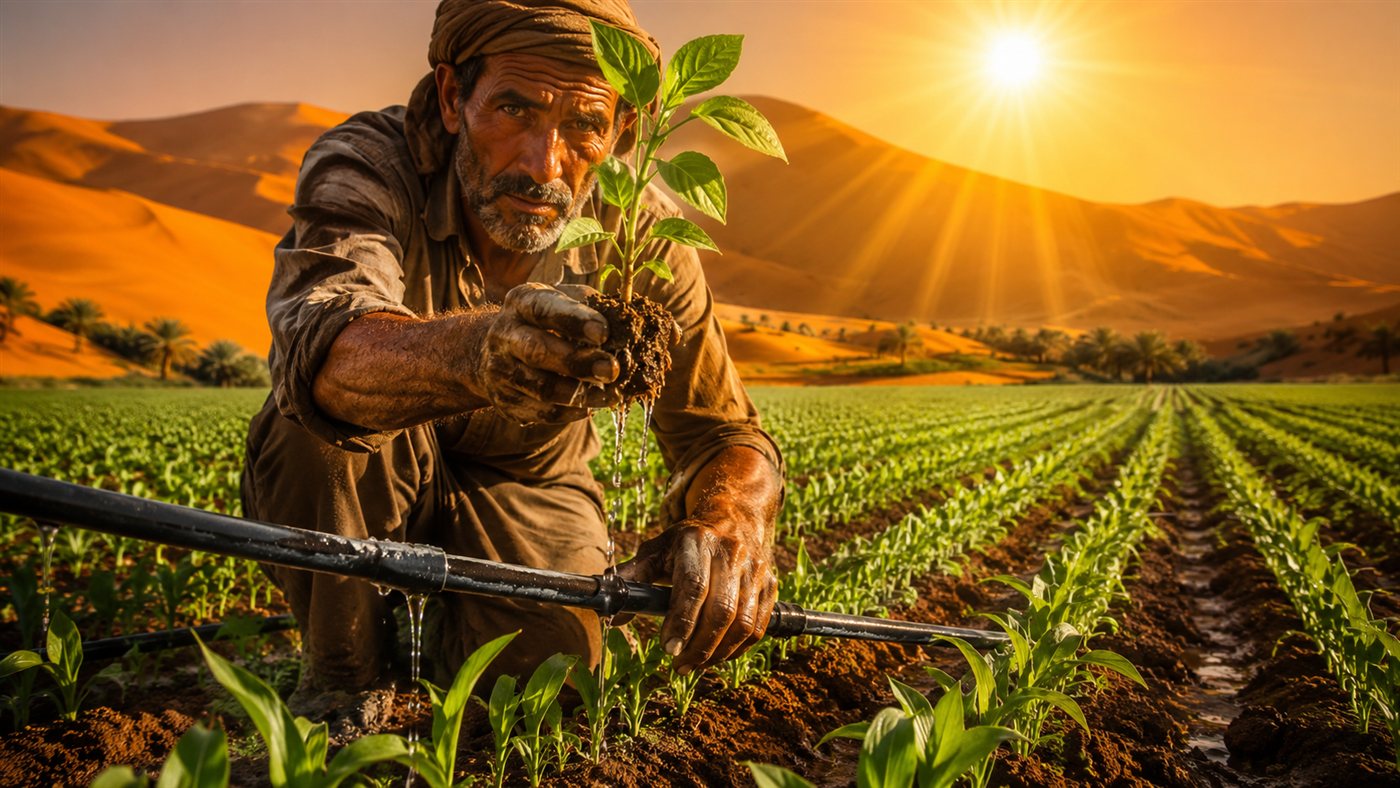
With Nearly 60% Desert, Israel Desalinates Seawater and Recycles 90% of Wastewater to Build a Billion-Dollar Agricultural Powerhouse in Dates and Cotton
R$ 280 million investment and new factory promise to expand production capacity

The project for Yanmar’s new factory was announced back in 2025, but gains momentum in 2026 with construction scheduled to begin in May. The choice of Indaiatuba was not by chance. On the contrary, the city holds historical value for the brand and concentrates its current operations, which facilitates the integration of activities.
According to Wagner Santaniello, innovation and marketing manager at Yanmar South America, the investment will be made with own capital. Furthermore, the main objective is to unify the two existing units into a single, more efficient structure. In this way, the company intends to optimize production, logistics, and, in the future, also integrate administrative areas.
The construction schedule was divided into three well-defined stages. Initially, in phase 1, scheduled for 2027, the transfer of the manufacturing area and assembly of machines will occur. Subsequently, by 2028, phase 2 will cover the migration of parts and distribution operations. Finally, by 2030, phase 3 will conclude the complete consolidation of the structure, including corporate and commercial areas.
The expectation is that construction will begin around May 15, 2026, with the delivery of the main structure scheduled for June 2027. If the schedule is maintained, the operation of the new unit should start in August of the same year.
Currently, Yanmar produces about 5,000 machines per year in Brazil and operates close to its capacity limit. Therefore, the new factory emerges as a solution to this production bottleneck. In addition, the company projects to increase its workforce from approximately 300 to about 500 employees by 2030, also generating indirect jobs throughout the production chain.
Strategy targets growth in agricultural mechanization by 2030
The decision to invest in Brazil is directly linked to market studies that point to consistent growth in agricultural mechanization. Especially among small producers, this movement is expected to intensify in the coming years.
In this context, Yanmar projects that the national market will reach about 70,000 machines sold per year by 2030. Within this scenario, the company intends to maintain a share of between 10% and 12%, which represents approximately 7,000 units annually.
Even in the face of economic challenges, such as restricted credit and political uncertainties, the company bets on the resilience of specific sectors. Segments such as coffee, livestock, and horticulture remain strong, sustaining demand for agricultural equipment.
Furthermore, Yanmar’s strategy is not limited to production alone. The company also invests in innovation, combining global technology with local adaptation — a concept known as “tropicalization.” As it operates in more than 18 countries, the brand can transfer technological solutions between markets, while adapting its products to Brazilian conditions.
Among the next steps is the expansion of operations in crops where the company still has low penetration, such as sugarcane. In this sense, the proposal is to offer complete solutions, including not only tractors but also implements that increase productivity in the field.
Long-term vision reinforces confidence in Brazilian agribusiness
Although 2026 is considered a more moderate year for the sector, Yanmar‘s internal expectation is for growth to resume as early as 2027. Therefore, the current investment does not respond to the short term, but rather to a structured strategy for the future.
By consolidating operations, expanding productive capacity, and investing in innovation, the company positions itself to capture the growth of Brazilian agribusiness. Furthermore, it maintains its historical focus on the small producer, who, despite operating on a smaller scale, holds great relevance within the country’s agri-food system.
Thus, the new factory represents not only an industrial advance but also a clear indication that Brazil continues to be one of the most strategic markets for agricultural multinationals.
Do you believe that mechanization can truly transform the productivity of small producers in Brazil?