






 Portuguese
  Spanish


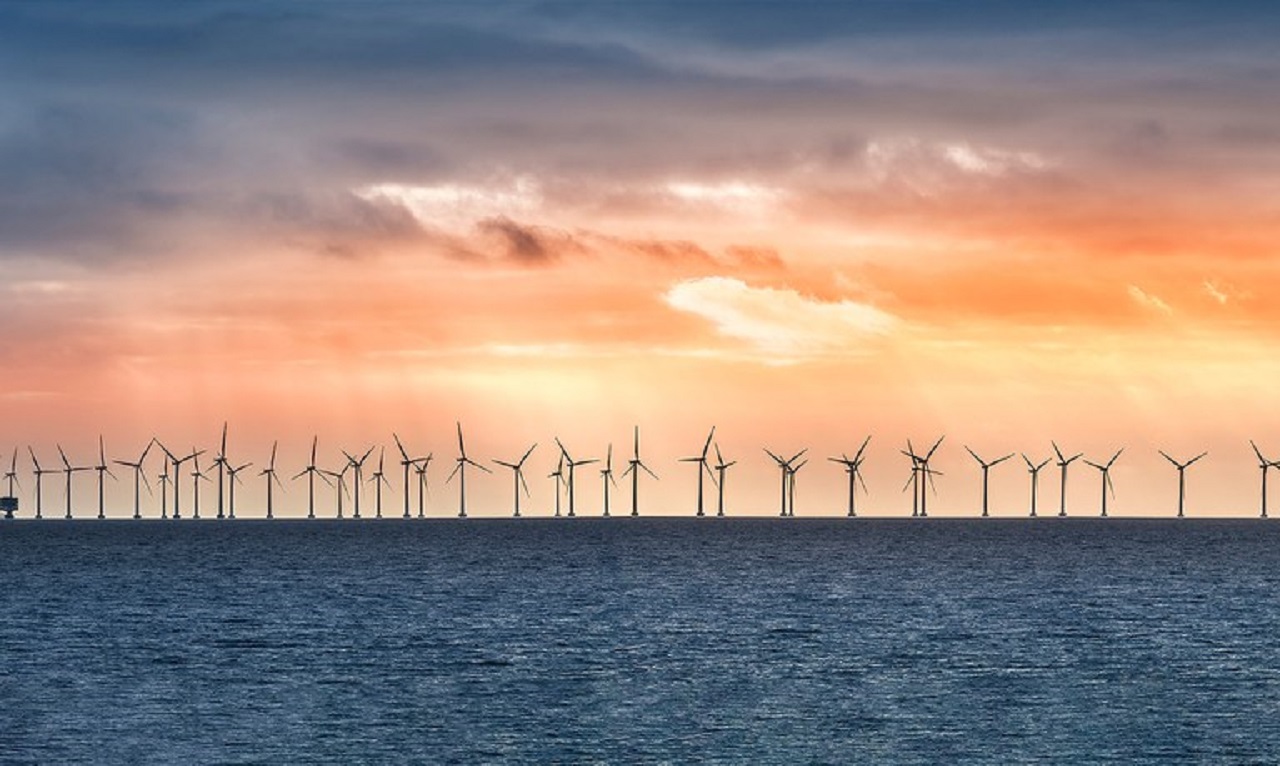

The Government of Rio de Janeiro Wants to Transform the State into an Offshore Wind Energy Hub, Potentially Generating 27 GW of Energy Along Its Coast and Attracting US$ 85 Billion in Investments.
The Government of Rio de Janeiro is promoting the clean energy sector in the state, which already has 9 offshore wind energy projects in the environmental licensing phase at the Brazilian Institute of the Environment (IBAMA), potentially becoming one of the main hubs for generating this category of renewable energy in the country. If approved, the projects are expected to represent a quarter of all Brazilian investment in the sector, with Rio potentially attracting more than US$ 85 billion in resources in the coming years.
Government Comments on Strategic Advantages of Transforming Rio de Janeiro into an Offshore Wind Energy Hub
According to Governor Cláudio Castro (PL), the offshore wind energy sector is essential for diversifying the energy matrix in the state, as well as the benefits generated, especially regarding the environment and job creation. Castro states that this sector is considered important worldwide for the sustainable diversification of the energy matrix.
Due to its characteristics, the coastline of Rio de Janeiro offers a competitive advantage for developing the offshore wind energy hub, and also has a well-developed service chain.
-
Giant Batteries Take Center Stage in Chile Auction as Company Offers 960 GWh of Solar Energy for Nighttime Use, Aiming to Stabilize Solar Power Supply

-
After a Year of Success in Switzerland, Solar Railway Attracts Italy’s Interest for Clean Energy Transformation
-
Robots Clean Solar Panels in Desert Power Plants Without Water, Preventing Energy Losses
-
Brazil’s Offshore Wind Energy Potential Worth $1 Trillion Stalled by Long-Delayed Agreement



The Government of Rio de Janeiro has been seeking to understand the sector’s needs to find solutions that expedite the installation of the projects, thus enabling the generation of thousands of new jobs and more income for the Rio de Janeiro population.
Offshore Wind Energy Could Boost the Naval Industry
Cássio Coelho, Secretary of Economic Development, Energy and International Relations, who met with the company Neoenergia this Monday (13), highlighted how the change in the matrix in Rio de Janeiro can contribute to the naval industry.
According to the secretary, these state government projects can enhance Rio de Janeiro’s energy security, a key competitive factor for attracting new investments and tax revenue.
In addition to potentially fostering the development of new demands for the Rio de Janeiro naval industry, such as contracts for cable-laying ships, vessels for transporting towers, crane ships for launching towers, blades and components, as well as for the maintenance of offshore wind farms.
The projects will also facilitate the attraction of manufacturers for blades and components. It is also important to highlight that on the 22nd of next month, the Secretary of Economic Development will host a seminar on renewable energies.
27 GW Can Be Generated in RJ
According to information from Sérgio Coelho, Superintendent of Oil and Naval Industry at the Secretary of Economic Development, the main area with potential for wind energy generation stretches from Arraial do Cabo to São Francisco de Itabapoana, totaling 27 GW.
Rio de Janeiro has 25% of Brazil’s offshore wind energy projects under development. Coelho emphasizes that currently, there are 67 commissioned projects worldwide focused on wind energy and another 15 to be commissioned in the coming years. The capacity of these projects is equivalent to the installed capacity of two Itaipu hydropower plants.
The projects have enormous synergy with the naval industry, developing demands in the offshore wind energy sector. The entities are having extensive discussions with key players in the sector to understand needs and anticipate solutions for the installation of the projects.
The challenges for developing the offshore wind energy sector involve regulating a business environment that not only fosters investments but also reduces environmental impacts, favoring the energy transition. Rio de Janeiro has a great vocation for developing business opportunities in this type of generation.







