






 Portuguese
  Spanish




Japan Unveils A New Microalgae Engine That Promises To Change The Way We View Vehicles And The Future Of The Planet.
Japan, always at the forefront of technological innovation, has just surprised the automotive world with the introduction of a new microalgae engine. This technology is not just a promise for a more sustainable future but a true revolution in the concept of fuels and engines as we know them today. Let’s understand what makes this engine so special and why it is causing such a stir.
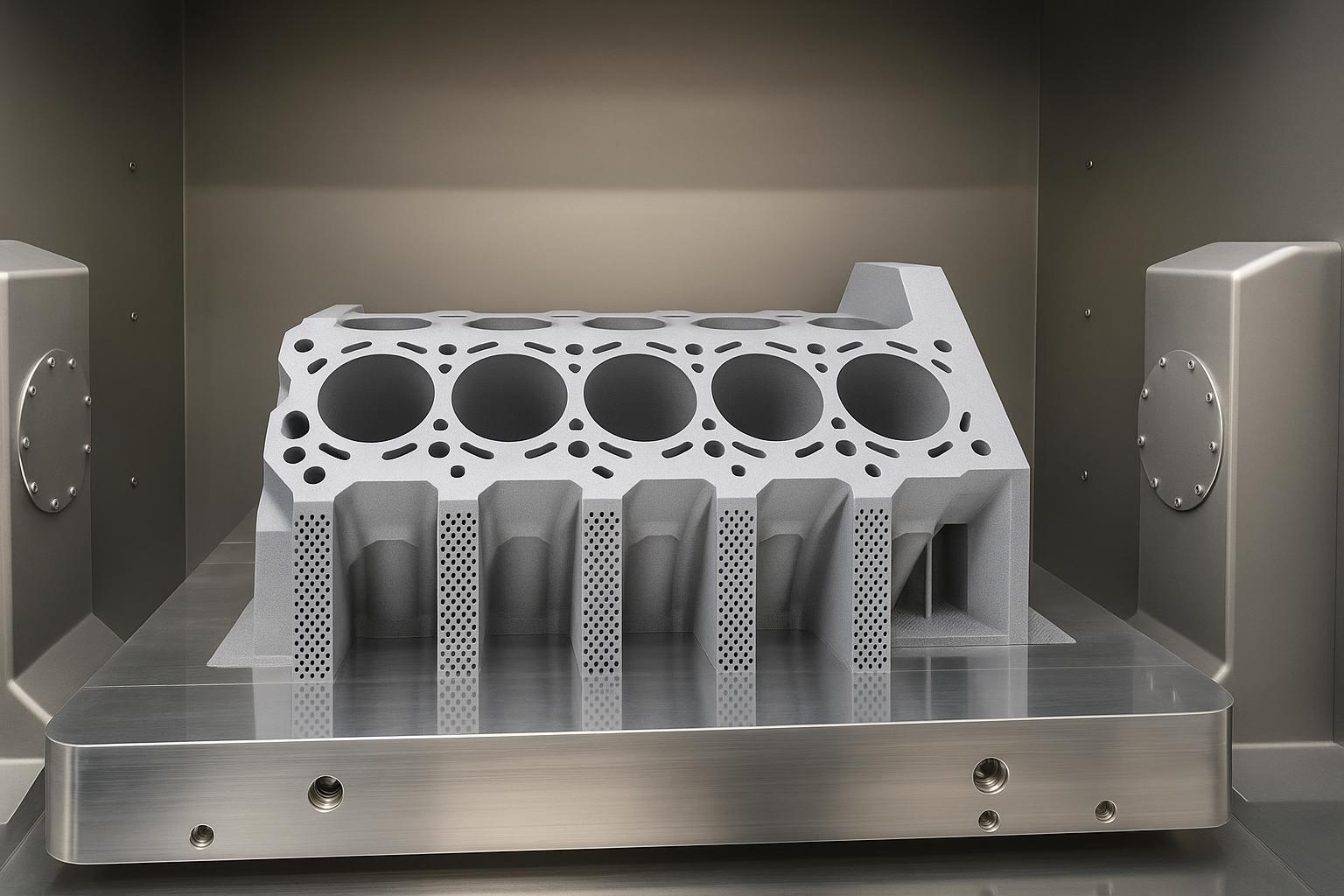
The new microalgae engine is more than a simple innovation; it represents a paradigm shift that could transform the way we think about transportation and environmental impact. Developed by the Research Institute for Sustainable Humanosphere (RISH) at Kyoto University, this engine uses genetically modified algae to convert sunlight and carbon dioxide into liquid biofuel. It sounds like science fiction, but it’s pure reality.
Process Works in Two Main Stages


These algae are cultivated in special bioreactors designed to optimize growth and fuel production. The process works in two main stages: first, the algae capture sunlight and CO2 through photosynthesis, producing a chemical compound that is then converted into biofuel. The result is a fuel similar to traditional hydrocarbons but with a much lower carbon footprint.
-
End of an era in Brazil: beloved sedan by Brazilians is discontinued despite having a 2.0 engine with 151 hp, CVT transmission, 466-liter trunk, and up to 650 km of range.

-
New Law Proposal in Brazil Could Heavily Penalize Drivers: Dangerous Overtaking May Become a Serious Offense with Fines Increased Tenfold and a 12-Month License Suspension; Update on 2026 Progress

-
Electric Revolution: Watts W125 Motorcycle Offers 160 km Range, 90 km/h Speed, and Affordable Price Starting at $3,000
-
General Motors Replaces Over a Thousand Workers with 50 Cobots at Electric Vehicle Plant, UAW Union Criticizes Move Amid Industry’s Automation Push




Efficiency of This New Microalgae Engine
Now, let’s be honest, it’s not just the positive environmental impact that impresses, but also the efficiency of this new microalgae engine. In laboratory tests, the engine showed a range of about 600 km with a full load of biofuel, a performance comparable to many mid-size gasoline engines. And it doesn’t stop there: the consumption is highly competitive, at approximately 5 liters of biofuel per 100 km.
Production Cost
But like anything new, it’s not all roses. The production cost of this engine is still high, especially because we are talking about a technology in the experimental phase. Each unit can cost over 10 thousand dollars, which, let’s face it, is not affordable at all. However, over time and with advancements in research, these costs are expected to decrease, making this technology more economically viable.
Biofuel Is Produced From Captured CO2
The environmental impact is undoubtedly the highlight of this innovation. Since the biofuel is produced from captured CO2, the carbon cycle is nearly neutral, meaning that this engine could significantly contribute to reducing greenhouse gas emissions. Additionally, the algae used are a renewable source of fuel, and their production can utilize industrial waste, further decreasing reliance on fossil fuels and minimizing generated waste.
On the other hand, it is necessary to look critically at the feasibility of mass adoption of this new microalgae engine. The technology is promising, but it faces significant practical and economic challenges. While Japan is leading this race, there is still a long way to go before these engines can be seen in vehicles on the streets. And, of course, all of this depends on many factors, including investments, improvements in production processes, and market acceptance.
Japan Towards A Greener Future With The New Engine
Japan has taken a bold step towards a greener future with the new microalgae engine. It’s a brilliant idea, but still in development. If all goes as expected, we may be on the brink of a revolution in sustainable transportation. But for now, let’s watch cautiously and, who knows, hope that this technology becomes accessible and positively impacts our planet. After all, wouldn’t it be amazing to have a car powered by algae?








A cana já faz isso!
De volta ao futuro. As algas serao as fazendas dos investidores do futuro . Mas a transição deve ocorrer com planejamento estratégico no setor de energia fossil+ limpa+ renovável. .integrando a economia num sistema de Ciclo do carbono..
Nada mais é que um motor a etanol