Portuguese
  Spanish



With Advances in New Materials, Solar Energy Becomes Portable and Powers Small Devices Through Clothing and Accessories
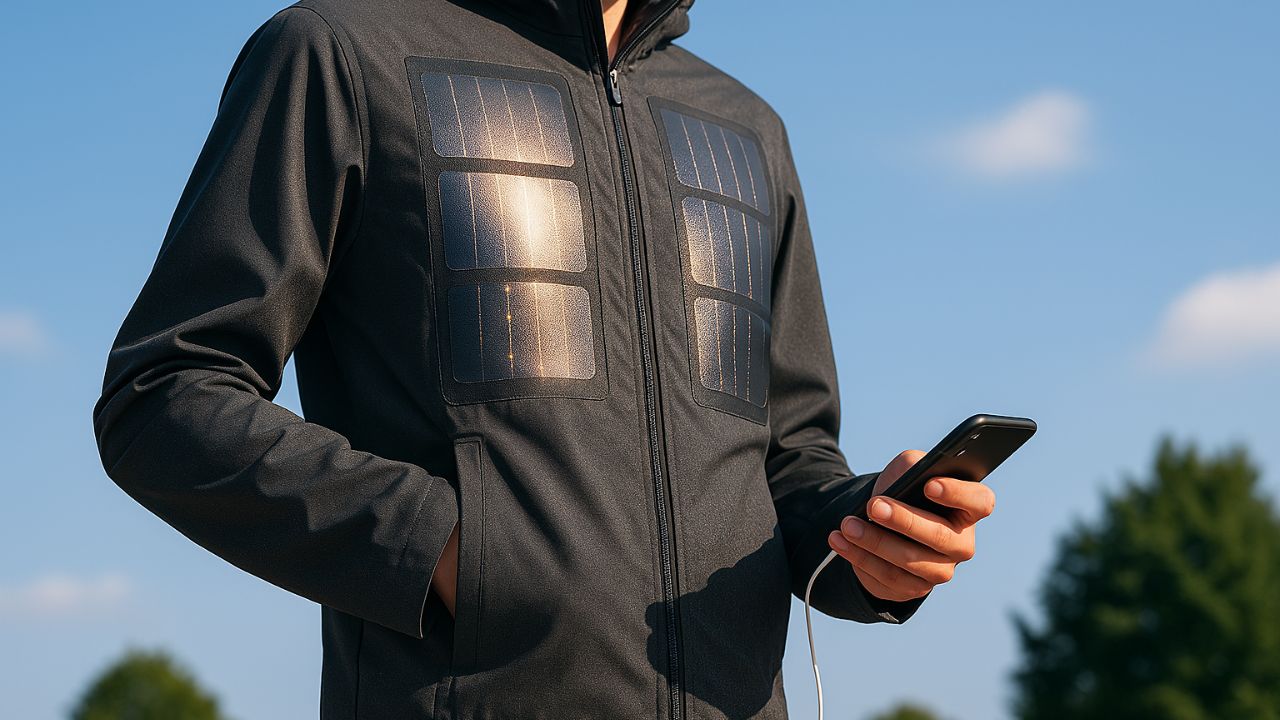
Amid the popularization of solar energy worldwide, companies and startups are innovating with wearable solutions that allow electricity generation during the day. The latest application involves the use of perovskites, a highly efficient semiconductor material, in jackets and umbrellas capable of capturing sunlight and powering personal electronic devices such as cell phones and headphones. This innovation has been developed in various countries and has already attracted attention for its practicality, portability, and for reinforcing the trend of energy self-consumption.
How Solar Energy Is Becoming Portable
The solar energy, which previously relied on large panels on rooftops or solar farms, is now entering a new phase: portability. According to a report from Xataka Brasil, the use of smart fabrics integrated with perovskites allows clothing and accessories to be transformed into small electricity generation centers. The innovation combines comfort, mobility, and sustainability, going beyond fashion: it is energy functionality on the body.
What Are Perovskites and Why Are They Revolutionary
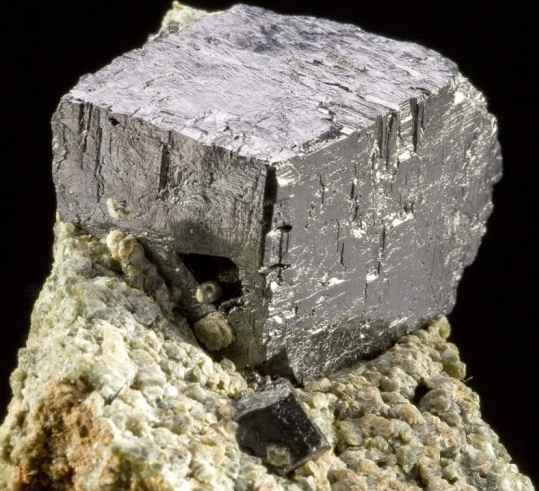
Perovskites are materials with a special crystalline structure that have been gaining attention for their high efficiency in converting sunlight into electricity. Unlike traditional silicon, they can be applied to flexible, lightweight surfaces at a low cost. In laboratory conditions, they have already surpassed 25% efficiency and continue to evolve, making them ideal for mobile applications, such as those involving foldable fabrics and plastics.
-
Solar energy can increase property value by up to 10% and become a selling point.

-
Solar and wind energy surpass natural gas for the first time in the world and accelerate energy revolution

-
Africa has about 500,000 cell towers and most still burn diesel to operate, while companies rush to cover antennas with solar energy and avoid signal blackouts.
-
Farmers swapped diesel for solar panels in Pakistan, powered irrigation pumps almost cost-free, expanded rice fields, and now groundwater has become a red alert in the countryside.




Jackets and umbrellas equipped with perovskite solar cells have been designed to capture light while a person walks outdoors and store this energy in small modules. This electricity can be used to charge cell phones, smartwatches, headphones, or even power banks, in a discreet manner. The idea is to offer more energy autonomy, especially in places with intense sunlight and good exposure to natural light.
Solar Energy and Self-Consumption: A Global Trend
The proposal to generate and consume one’s own energy, called self-consumption, is growing worldwide. With solutions like these, the concept expands beyond homes and businesses. Now, the human body itself can be a means of energy generation, which opens paths for new industries, such as tech fashion, sustainable tourism, outdoor sports, and even solutions for regions with limited infrastructure.
Experts point out that the advancement of portable solar energy is inevitable. With the reduction in material costs, increased efficiency, and the search for cleaner alternatives, solar energy is expected to be present in backpacks, tents, clothing, and even footwear in the coming years. Initiatives like those mentioned in Xataka Brasil indicate a clear path: the energy of the future will be lightweight, personal, and usable.