






 Portuguese
  Spanish


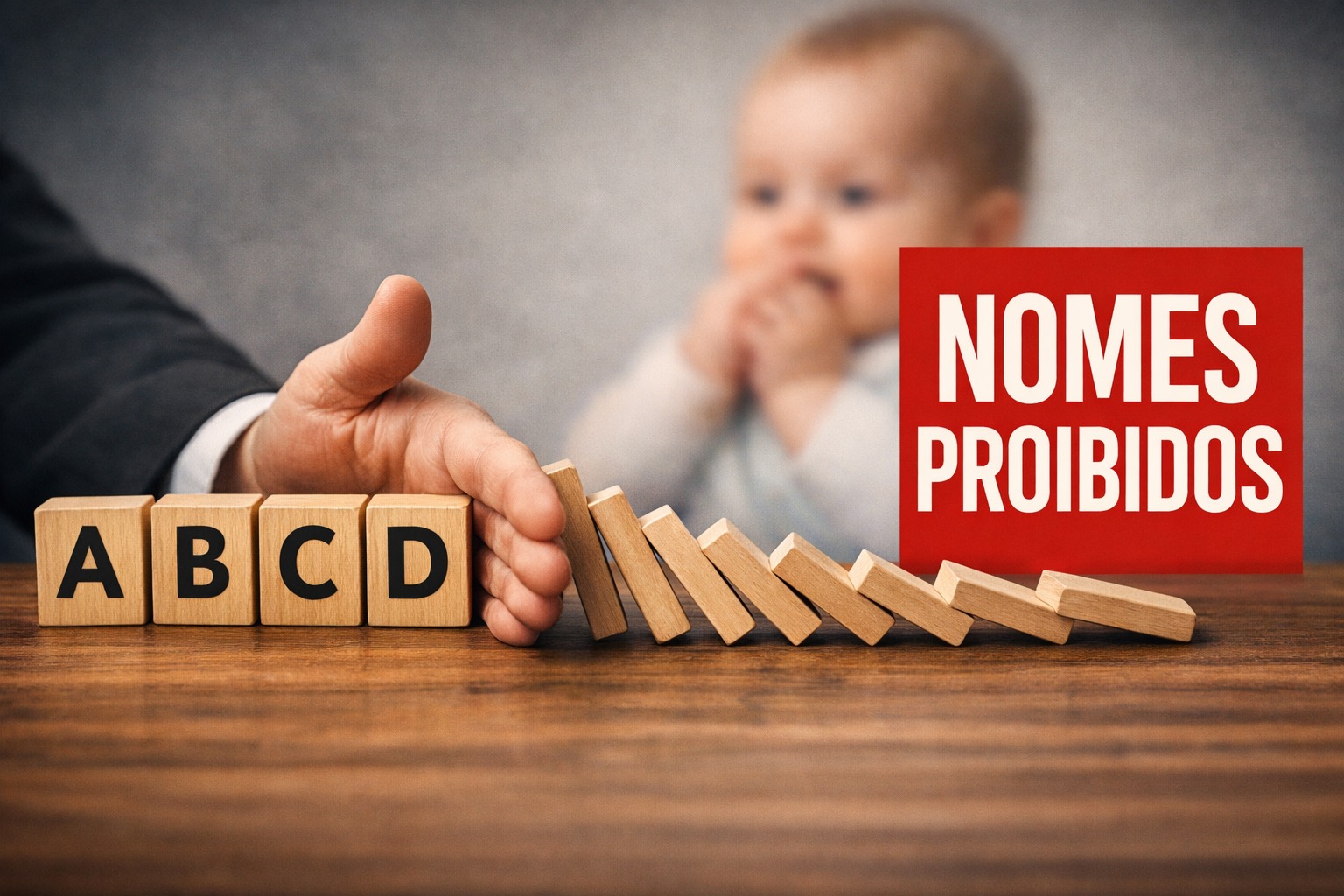


Laws Show How Name Choice Involves Identity, Child Protection and Legal Security, with Notaries and Committees Working to Prevent Offensive, Confusing or Harmful Registrations to Social Future
The given name represents the first formal identity of a person and, besides carrying family cultural heritage, influences self-image, social relationships and the way the individual will be perceived throughout life in different contexts.
The Legal and Social Weight of Name Choice
Name choice goes beyond the parents’ personal preference, as inappropriate decisions can generate lasting impacts, requiring attention to the social, emotional, and legal effects involved.
In many countries, the Justice system acts to prevent mistakes in this process, protecting children from names that may cause embarrassment, humiliation or future conflicts in social and institutional environments.
-
Brazilian Congress Advances Bill to Ensure Full Pension Benefits for Families Receiving Reduced INSS Death Benefits

-
Unusual Traffic Signs in Brazil: Wheelbarrow Ban, Crosswind Warning, and Customs Stop

-
Are Companies Required to Release Employees During Brazil’s World Cup Matches? Understanding Workers’ Rights
-
Brazilian Family’s Homeschooling Success Sparks International Debate: Daughters Read 30 Books Annually and Speak Multiple Languages


In Brazil, Article 55 of Law No. 6,015/1976 authorizes notaries to refuse registrations that expose the child to ridicule or public embarrassment.
Examples include offensive names, excessively long names, confusing names, and those associated with titles, positions, or controversial figures, capable of generating immediate negative interpretations.
Examples of Restrictions Provided in the Legislation
Brazilian legislation cites cases like Sujesmundo, Maria Privada, Um Dois Três de Oliveira Quatro or names linked to controversial historical figures, considered potentially harmful.
The aim is not to limit creativity, but to prevent the name, the first form of civil identification, from becoming a source of suffering or social discrimination.
Additionally, the control seeks to preserve clarity in official records, avoiding administrative difficulties and future confusions in public documents and formal systems.
Countries with Even Stricter Rules
In some countries, the rules are even stricter, with official lists, evaluating committees, or linguistic requirements that condition the approval of the chosen name.
Denmark requires selection from a list of about 7,000 approved names or a formal request for specific choices evaluated by the competent authorities.
Iceland maintains an exclusive committee to assess names, while Germany requires clear identification of gender and protection of child welfare.
In China, names cannot exceed religious fervor and must be easily recognized by official electronic identification systems.
These rules demonstrate that the name is not just a detail, but a central element of identity, capable of influencing personal, social, and institutional trajectories from birth.
With data from Diário de Pernambuco.







Se por um acaso seu pai colocasse teu nome de Bucetildes, como já aconteceu no nordeste tempos atrás?
O nome deve ser dado com Amor, Respeito.
Pois você terá para o resto de sua vida, será sua identidade por onde for.
O nome tem que dar alegria a quem recebe.
…Tantas AÇÕES para a JUSTIÇA BRASILEIRA JULGAR,desempenhar de fato e prevalecer a VERDADEIRA JUSTIÇA ao invés de desviar-se das suas ATRIBUIÇÕES CONSTITUCIONAIS, vem com essa IMBECILIDADE. PQP! 😡
Imagina se vc se chamasse Adolfo Hitler, Canigunnis, Rollon, e por aí vai… Acho que iria querer mudar