






 Portuguese
  Spanish


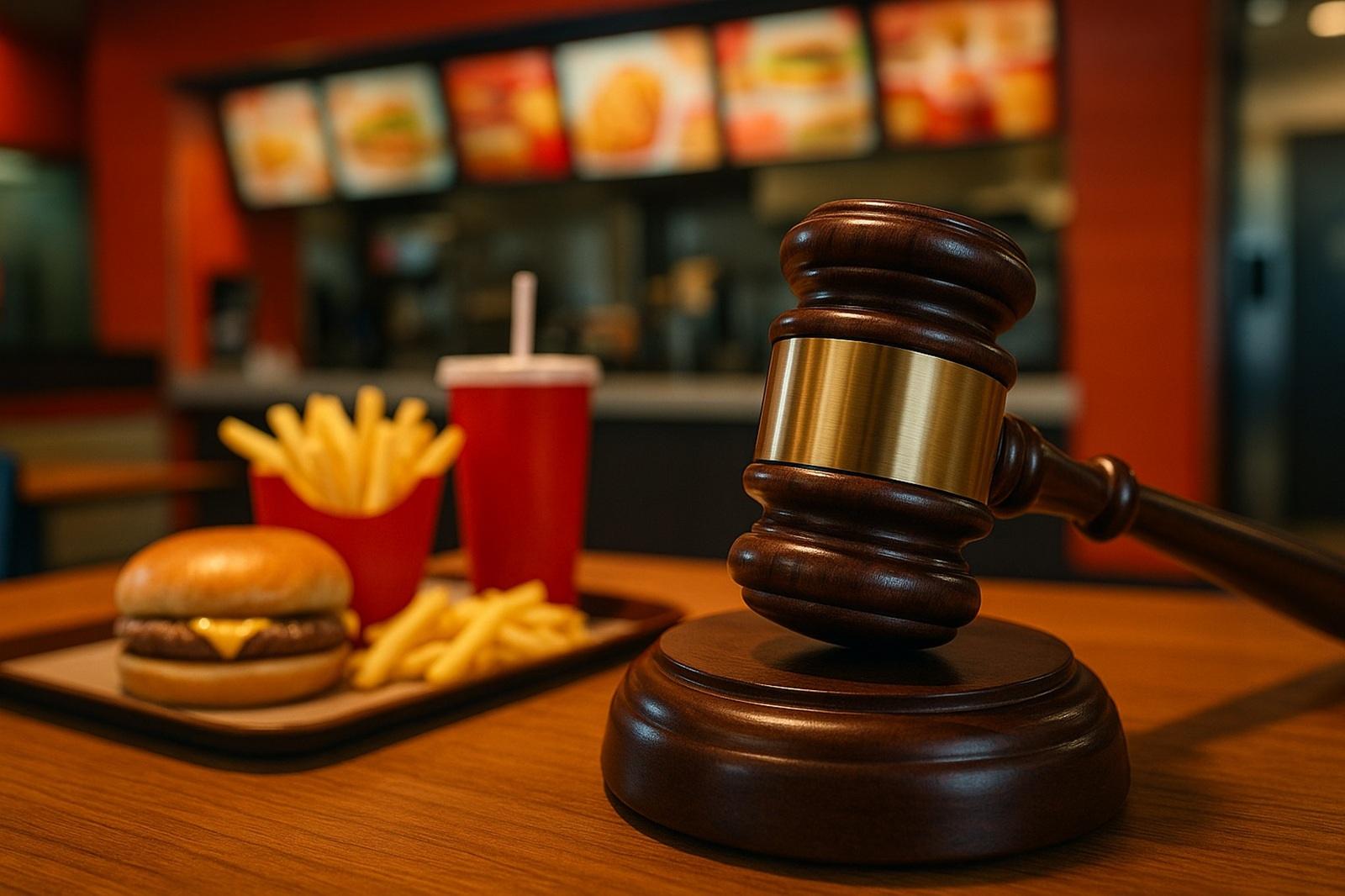


The Decision Recognized That The Company Prohibited The Employee From Bringing Food From Home And Forced Her To Consume Only Fast Food For Four Years, Resulting In Compensation Of R$ 8 Thousand After Establishing A Violation Of Basic Rights
Judge Marina Caixeta Braga set compensation at R$ 8 thousand to a former employee after concluding that, for four years, she was prevented from bringing her own meals to the Belo Horizonte unit, being forced to consume only snacks provided by the company.
Food Restriction And Violation Of Legal Guarantees
The decision noted that the worker was compelled to consume exclusively sandwiches, soda, and fries, with no healthy alternatives, which violated fundamental rights related to food and health as provided in Article 6 of the Constitution. The judge emphasized that NR 24 guarantees employees the right to bring food from home, providing a structure for preservation and heating, in addition to a suitable place for meals and washing utensils, a rule ignored by the defendant according to the testimony collected.
Testimony Confirms Lack Of Food Option
The sole witness stated that no employee could bring their own meal, being forced to consume three sandwich options, one soda, and one fries, always without salad. For the judge, this practice constituted an abuse of employment power and a violation of a collective agreement that recommends balanced meals, evidencing disrespect for the employees’ food well-being, a situation that the judge considered serious despite the defense denying the occurrence of harm, an argument that did not convince.
-
Dismissing a retired worker or one eligible for retirement constitutes ageism and creates a duty to compensate: a unanimous decision by the TRT mandates reinstatement to employment, payment of back wages, and upholds compensation of R$ 15,000 for discrimination.

-
Work less and produce more? Nobel Prize in Economics explains why shorter workdays can increase productivity

-
Unions are growing again in Brazil after more than a decade, but they face an urgent challenge to win back digital workers and maintain relevance.
-
From the typewriter to the home office: how work has changed and why new generations think differently



Health Impacts Recognized In The Ruling
The judge highlighted that it is common and notorious knowledge that ultraprocessed foods, rich in sugar, simple carbohydrates, saturated fats, and artificial preservatives, can cause significant harm to health. The ruling observed that such items do not provide the necessary nutrients for a complete meal and can lead to diseases such as obesity and diabetes when consumed frequently, a context present in the analyzed work environment.
Possibility Of Control Only Over The Location Of The Meal
According to the judge, it would be legitimate for the company to define where the meal brought from home could be consumed for hygiene reasons. However, completely preventing the transport of food chosen by the worker exceeded legal limits, affecting food autonomy and violating express labor rules, a point that reinforced the understanding of the characterization of the unlawful act, with a clear causal link between conduct and damage.
Sentencing, Parameters And Appeal Pending
The compensation was set at R$ 8 thousand considering the seriousness of the conduct, the four-year bond, and the economic capacity of the parties, also with a pedagogical effect. The company appealed the decision, and the process remains underway at the TRT MG.








Que empresa maluca e advogado sem discernimento. Já sabia que ia perder.