





 Portuguese
  English
  Spanish
  3 min of reading


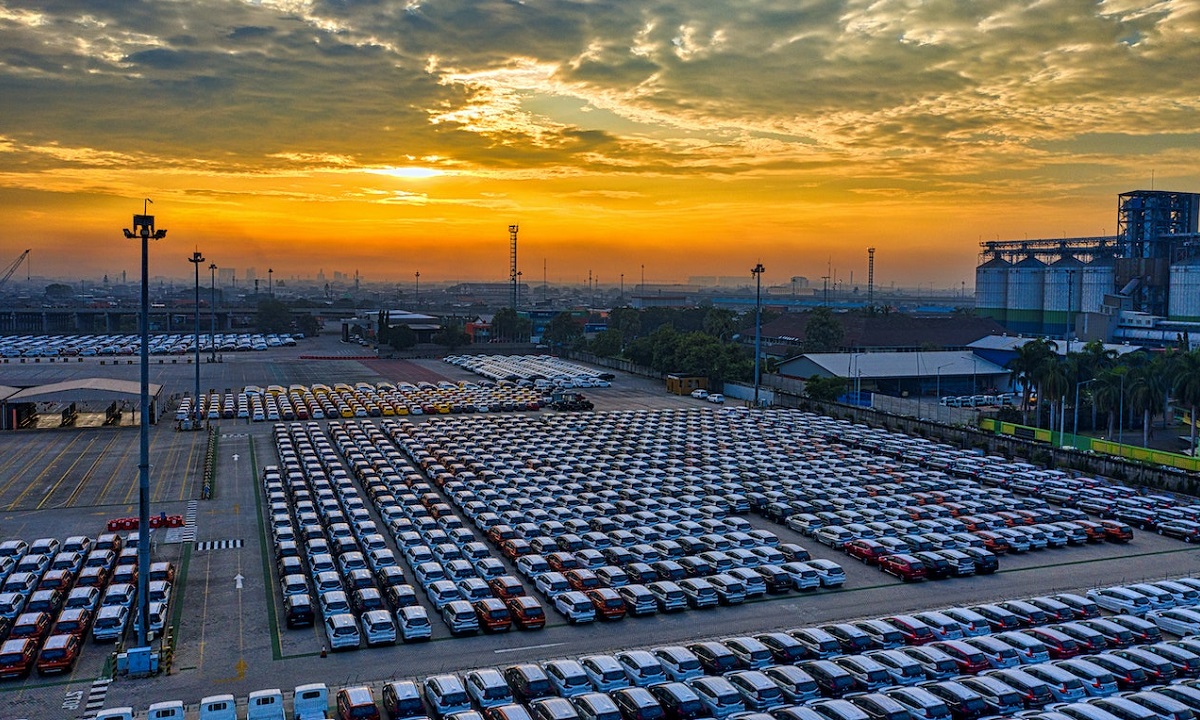
It Is True That Vehicle Auctions Accumulate Millions of Reais, But Have You Ever Wondered Where All This Money Goes?
The auctions of vehicles, due to their lower value compared to the prices of the models being auctioned in the market, are very popular and cause the Federal Revenue Service, after seizing the vehicles outside the law and regularizing them, to gather resources that reach millions from year to year, and the reason these vehicles are taken to auctions is mainly their low mileage.
Vehicle auctions are held in a division of ten fiscal regions, which are:
1st Region: Federal District, Goiás, Mato Grosso, Mato Grosso do Sul, and Tocantins;
-
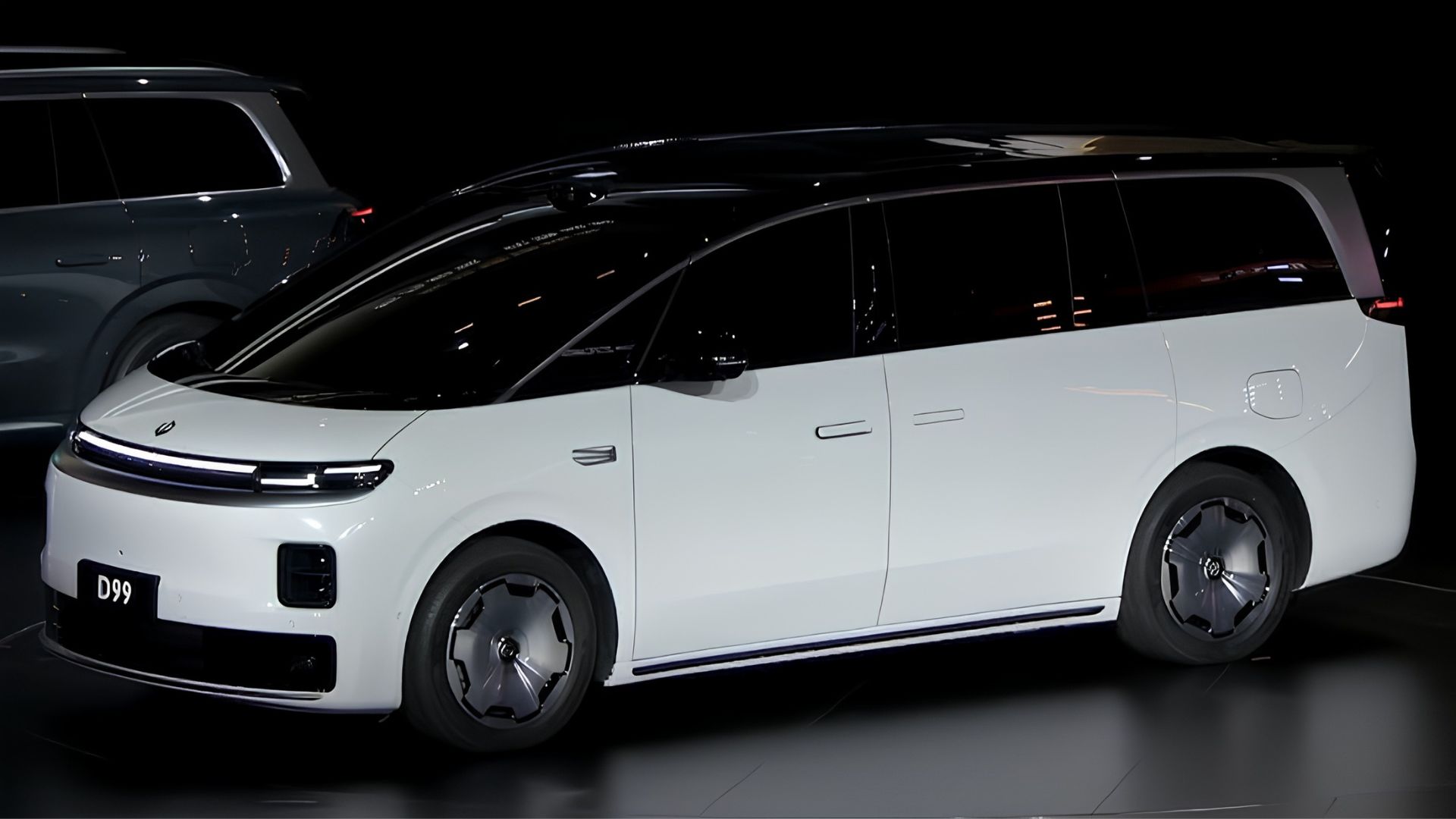
Goodbye traditional minivans: the giant “Chinese Kombi” from Leapmotor arrives in stores with 5.28 meters, a battery of up to 115 kWh, and an electric version with a range of 720 km to transform the family car into an executive lounge on wheels in China.

-
A mechanic warns: Car air conditioning can hide bad odors, fungi, and strained parts if the driver ignores 5 simple care tips that make a difference in heat, cold, and even on long trips.

-
“Brazilian Elon Musk” unveils prototype of the Lecar 459, a car capable of running up to 1,000 km with a 165 hp electric motor and a hybrid system that dispenses with direct traction from the combustion engine.

-
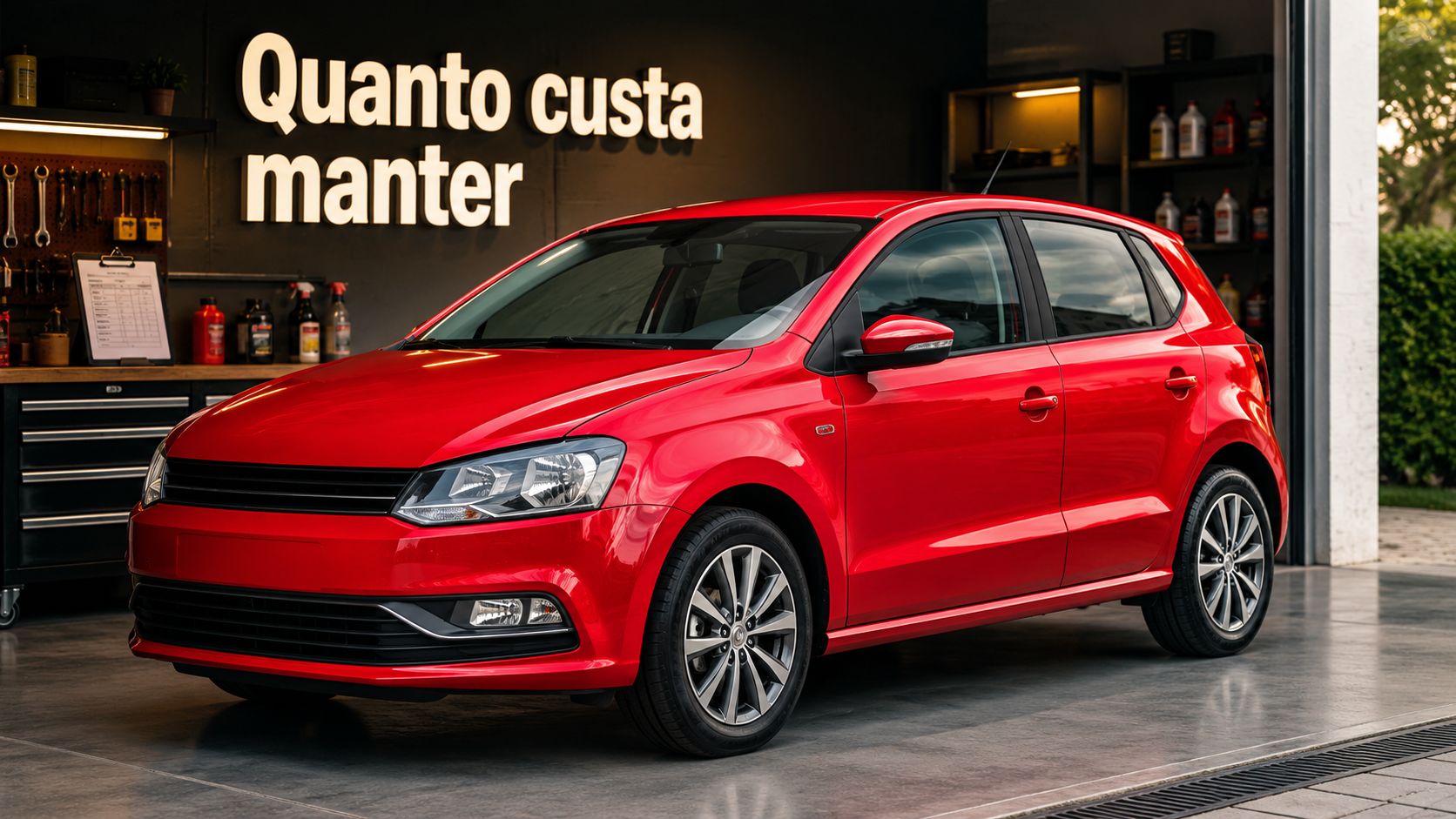
How much does it cost to keep the POLO Comfortline TSI 200 in the garage?


2nd Region: Acre, Amazonas, Pará, Roraima, and Rondônia;
3rd Region: Ceará, Maranhão, and Piauí;
4th Region: Alagoas, Rio Grande do Norte, Paraíba, and Pernambuco;
5th Region: Bahia and Sergipe;
6th Region: Minas Gerais;
7th Region: Rio de Janeiro and Espírito Santo;
8th Region: São Paulo;
9th Region: Paraná and Santa Catarina;
10th Region: Rio Grande do Sul;
Vehicle auctions occur due to demand in each of these regions, so there are locations with more vehicle auctions than others and also regions with more than one state where vehicle auctions can take place only in one of those states.
The amount collected in vehicle auctions in each of the regions goes to the National Treasury, which is nothing more than Brazil’s cash box, and is distributed on demand. The 40% for social security is allocated to a set of social policies to assist citizens and families in vulnerable situations, such as old age, illness, and unemployment.
Also, the money raised from the auctions of vehicles goes to the Fundaf, which is managed by the Secretary of the Federal Revenue Service of Brazil and aims, among other things, to reimburse operational and administrative expenses and also to finance the development and improvement of federal tax auditing activities.
According to some information from the Federal Revenue Service, between January 2010 and December 2019, almost R$ 2.5 billion was raised in vehicle auctions, and during this period, Fundaf received approximately R$ 1.5 billion, while the allocation for social security was around R$ 1 billion.
Also, This Year, Auctions of 15 Airports Were Held
The Congonhas Airport and 14 other airports were auctioned on August 18 during the 7th round of the airport concession program, held by Anac (National Civil Aviation Agency).
The auctions took place at 2 PM, at B3, and were divided into three blocks. The 15 airports, including Congonhas, together account for about 15.8% of Brazil’s passenger traffic and will be granted to the private sector for a period of 30 years. The forecast for investments over this period is approximately R$ 7.3 billion.
The interest in the auctions for the three blocks was validated by the Minister of Infrastructure, Marcelo Sampaio, via social media. “We continue to work with neither optimism nor pessimism, but making things happen and ensuring the advancement of the country’s infrastructure. On August 18, we will be hammering down at B3, auctioning 15 airports from the 3 blocks of the 7th round,” the minister stated.
In addition to Congonhas Airport, the auctions included Campo de Marte Airport in São Paulo (SP), Jacarepaguá in Rio de Janeiro (RJ), among others.
According to Anac, between 2011 and 2021, the airport auction program in Brazil granted the equivalent of 75.82% of traffic in the country to the private sector. After this 7th round of concession, the percentage will rise to 91.6% of passengers served at private airports.




Be the first to react!