






 Portuguese
  Spanish


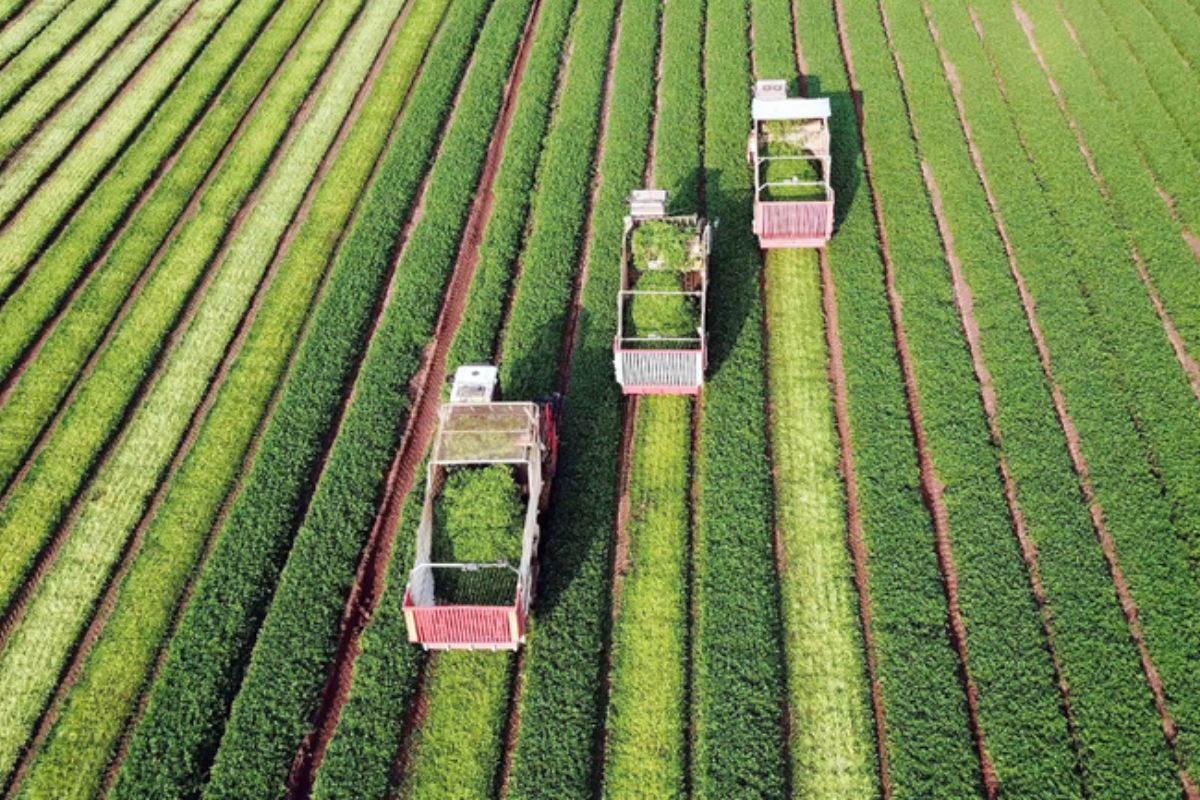
With The Advancement Of Agriculture Credit Letters (LCA), The Stock Of The Sector Reached R$ 608 Billion In September, Reflecting The Strengthening Of Rural Credit And Sustainable Investment In The Field
The agriculture credit letters (LCA) gained prominence in 2025 as one of the main financing tools for the Brazilian countryside, according to a report published.
In September, the stock of this financial instrument reached an impressive R$ 608.13 billion, according to the Finance Bulletin of Agro, released by the Ministry of Agriculture and Livestock (Mapa).
This amount represents a growth of 23% compared to the same period last year and a significant jump of more than four times in just four years, when the value was R$ 148 billion in 2021.
-
India’s Sugar Export Cuts and Ethanol Shift Amid El Niño Threat Could Impact Global Prices and Stocks

-
Quarantine Pest Threatening Palm Trees Puts Brazilian Authorities on Alert, Prompts Monitoring at University of Taubaté and Potential Control Measures Across São Paulo
-
Global Alert: Report Finds 159 Pesticides in Coffee Beans Sold in Europe, Posing Serious Risks to Millions of Farm Workers
-
Low-Demand Brazilian Beef Offal Gains Popularity Abroad: Indonesia Purchases $19.5 Million, Boosting Revenue and Reducing Waste



The result shows how financial instruments linked to agriculture have consolidated as a support base for rural producers, cooperatives, and companies in the sector.
In a scenario of high demand for credit and the search for profitability in the financial market, the LCAs have positioned themselves as a safe and attractive alternative for investors and institutions.
The Role Of Agriculture Credit Letters In Rural Credit
The agriculture credit letters are titles issued by banks and backed by receivables arising from agricultural sector operations, such as production financing, storage, and commercialization of grains.
Their differential lies in the exemption from Income Tax for individuals, which makes them even more competitive compared to other financial investments.
According to the Central Bank of Brazil, between July and September 2025, approximately 37% of the funds allocated to rural credit originated from these titles, which highlights the central role of the LCA in sustaining the national agribusiness.
The trend follows the strengthening of the green economy, where investors seek options tied to sustainable production and food security.
The increase in the stock of LCAs shows that the financial market and the countryside are becoming increasingly connected, creating a virtuous cycle of investment and productivity.
Market Expansion And Comparison With Other Agriculture Titles
While agriculture credit letters led the stock volume, other instruments also recorded significant performances.
Rural Product Notes (CPR), for example, totaled R$ 527.43 billion in September, with a growth of 27% compared to 2024.
Issuances of CPR for the 2025/26 harvest, between July and September, reached R$ 105.64 billion, a value 1% higher than that observed in the previous harvest.
Of these, 65% were issued in favor of financial institutions, and 35% directed to the capital market.
Certificates of Agribusiness Receivables (CRA) also maintained an upward trajectory, reaching R$ 162 billion, an increase of 17% in twelve months. Meanwhile, Agribusiness Credit Rights Certificates (CDCA) totaled R$ 32 billion but showed a drop of 17% during the same period.
These numbers reinforce the diversity of mechanisms for rural credit available and the importance of LCAs as a structuring axis of this ecosystem.
Evolution And Prospects For Agricultural Financing
The advancement of agriculture credit letters (LCA) reflects not only the strength of the countryside but also the maturation of the financial system focused on agribusiness.
The 23% increase in the total stock and the consolidation of the title as the main source of rural resources reveal an environment of confidence and liquidity.
The Private Finance Bulletin Of Agro, which gathers official data from the sector, highlights that the current volume of LCAs exceeds the levels recorded by any other financial title related to agribusiness.
This concentration demonstrates that the instrument has become essential to maintain the competitiveness of Brazilian production chains, especially in the face of global demands for sustainability and traceability.
The expectation is for continued growth, driven by policies to encourage green credit and the adaptation of new investment funds, such as Fiagro, which are undergoing adjustments to the CVM Resolution 175 before resuming their disclosures.
Complete information on the performance of agriculture credit letters and other financial titles can be consulted in the Private Finance Bulletin Of Agro, published by the Ministry of Agriculture and Livestock.







Be the first to react!