






 Portuguese
  Spanish


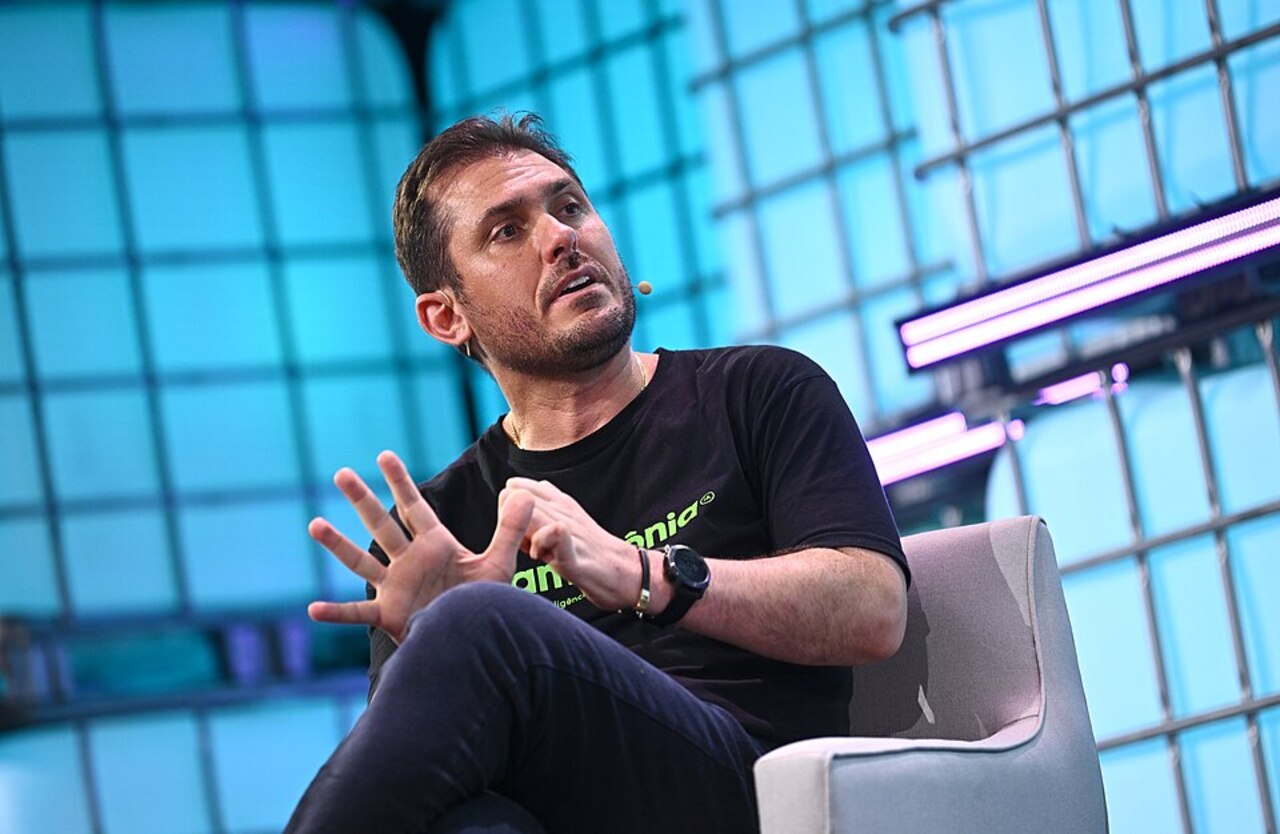

Ex-Military Declared Dead in Peacekeeping Mission in Haiti Now Leads an AI Startup Focused on Innovation, Inclusion, and Digital Sovereignty
Nelson Leoni’s journey seems to have come straight out of a movie script. In 2005, he was declared dead after being shot by an AK-47 during an Army mission in Haiti. The shot nearly ended his story. But, against all odds, he survived, restarted his life, and today serves as the CEO of WideLabs, a Brazilian artificial intelligence startup.
A Peacekeeping Mission and a Near-Fatal Shot
On June 22, 2005, Leoni was returning to the military base in Haiti when he was shot. The bullet struck his body, leaving him technically dead for eight minutes.
Miraculously, he was revived by colleagues. The experience changed his outlook on life. Fifteen days before the deployment, he had dreamed that he would be shot and shared this with his wife and father, a psychiatrist.
-
AI Customizes Burgers for Individuals and Impresses in Blind Test with Over 100 Participants, Matching or Surpassing Fast-Food Chains’ Approval Ratings

-
AI Revolutionizes Digital Entrepreneurship by Enabling Lean Startups and Rapid Scaling

-
The ‘tsunami’ of investments directed at Artificial Intelligence (AI) and semiconductor companies, which prioritize security and more predictable profits, has been a determining factor in the declining trajectory of Bitcoin.

-
Samsung eyes strategic chip factory in South Korea and could shake up the global AI landscape with advancements in HBM memories and advanced packaging.


Despite the nightmare, he proceeded with the mission. After the attack, he spent two and a half years in hospitals in Rio de Janeiro and Brasília, where he moved in 2006. He was left with sequelae in his left arm, but he did not let that deter him.
From Sport to Overcoming
Born in Videira (SC), Leoni has always had a connection with sports. He practiced karate and tennis, and after the trauma, he found a new passion in Paralympic swimming.
He became a national champion and participated in the Olympic torch relay in 2006 at Praça do Relógio in Taguatinga.
Life continued to test his resilience. In subsequent years, he nearly lost his wife and child during childbirth, later his daughter, and more recently faced an autoimmune disease.
Even so, he remained optimistic. “I am an optimistic person. I see difficulties as an opportunity to learn,” he says.
From the Army to Advertising
Before the incident in Haiti, Leoni attended the Academia Militar das Agulhas Negras. After recovering, he decided to change paths. He graduated in Business Administration and earned an MBA in Marketing at FGV.
Instead of pursuing medicine, he chose another direction. He entered the advertising world and worked as a social media manager at AgênciaClick Isobar, serving major brands like Unilever, Nivea, and Banco do Brasil.
There, he realized his life experiences helped him handle crises and lead teams. “I always encouraged people not to give up in the face of adversity,” he states.
International Recognition and Entry into AI
At the end of 2014, Leoni was hired by Unicef. Initially as head of digital communication in Brazil and later promoted to global head of digital engagement in New York.
During this time, he had his first contact with artificial intelligence by participating in a machine learning project. The technology’s potential caught his attention.
With a desire to start a business and be closer to family, he decided to return to Brazil in 2021. He brought with him a project and found his future partners at WideLabs: physician Marcelo Chapper and physicist Rodrigo Malossi.
WideLabs Is Born
Together, they founded the AI startup and launched bAIgrapher, which the company claims is the world’s first artificial intelligence biographer.
The system interviews Alzheimer’s patients and their families, collects memories, and retells the story in the first person, using the patient’s synthesized voice.
This resource has been used as an adjunct therapy to improve the quality of life for those suffering from memory loss.
The Creation of Amazônia AI
But the project was even more ambitious. The trio wanted a 100% Brazilian AI, with a local accent, understanding of regional terms, and cultural connection to the user.
In 2024, with support from partners like Nvidia and Oracle, WideLabs launched Amazônia AI, a language model aimed at the B2B market.
The proposal is to deliver more than speed: to deliver identity. The AI understands Brazilian linguistic variations, which, according to Leoni, creates a sense of belonging. “The focus now is on traction and revenue,” he says. By 2025, the goal is to reach figures between seven and eight digits in revenue.
Digital Security and Sovereignty
In addition to growth, Leoni states that WideLabs’ mission is to respect Brazilian sovereignty. This includes safeguarding data privacy and information security. The company aims to meet local demands with national technology.
After nearly losing his life, Leoni is now focused on giving value back to society. And he chose artificial intelligence as the tool for that. His path, marked by twists and resilience, is now also a journey of innovation.
With information from Época Negócios.


