Portuguese
  Spanish


Found 40 meters deep in the North Sea, 70 kg artifacts may reveal details about trade routes between England and the Netherlands in the 17th century
Three rare lead ingots from the 17th century were recovered from a historic shipwreck found during investigations on the seabed for the Hornsea 3 offshore wind farm, in the southern North Sea. The pieces, each weighing about 70 kg, were located 120 km off the coast of Norfolk and help reveal British maritime trade routes.
Lead cargo was stacked on the seabed
The three lead ingots were found in their original formation, stacked on the seabed, 40 meters deep. Little remains of the wooden vessel, but maritime archaeologists identified fragments beneath the cargo.
These remnants confirmed that there was an unknown shipwreck there. The discovery occurred during routine surveys conducted before the construction of the Hornsea 3 offshore wind farm.
-
From Humble Beginnings in Brazil to Latin America’s Largest Fitness Chain: Smart Fit’s Journey to 5 Million Members Across 14 Countries

-
Ninja’s New Combi Multicooker Revolutionizes Cooking with Superheated Steam and Air Frying, Offering 14 Functions and Full Meals in 15 Minutes
-
Brazilian Multinational WEG and Graal Network Install 47 Fast Chargers on Major Highways, Enhancing Electric Vehicle Infrastructure

-
From Slicing Cold Cuts at 11 to Leading Tech Firm Verity: Alexandro Barsi’s Journey to Projected $28 Million Revenue by 2028





The investigation aimed to identify possible unexploded ordnance on the seabed. The work was conducted by marine archaeology specialists from MSDS Marine, with support from teams operating remotely operated vehicles, the ROVs.
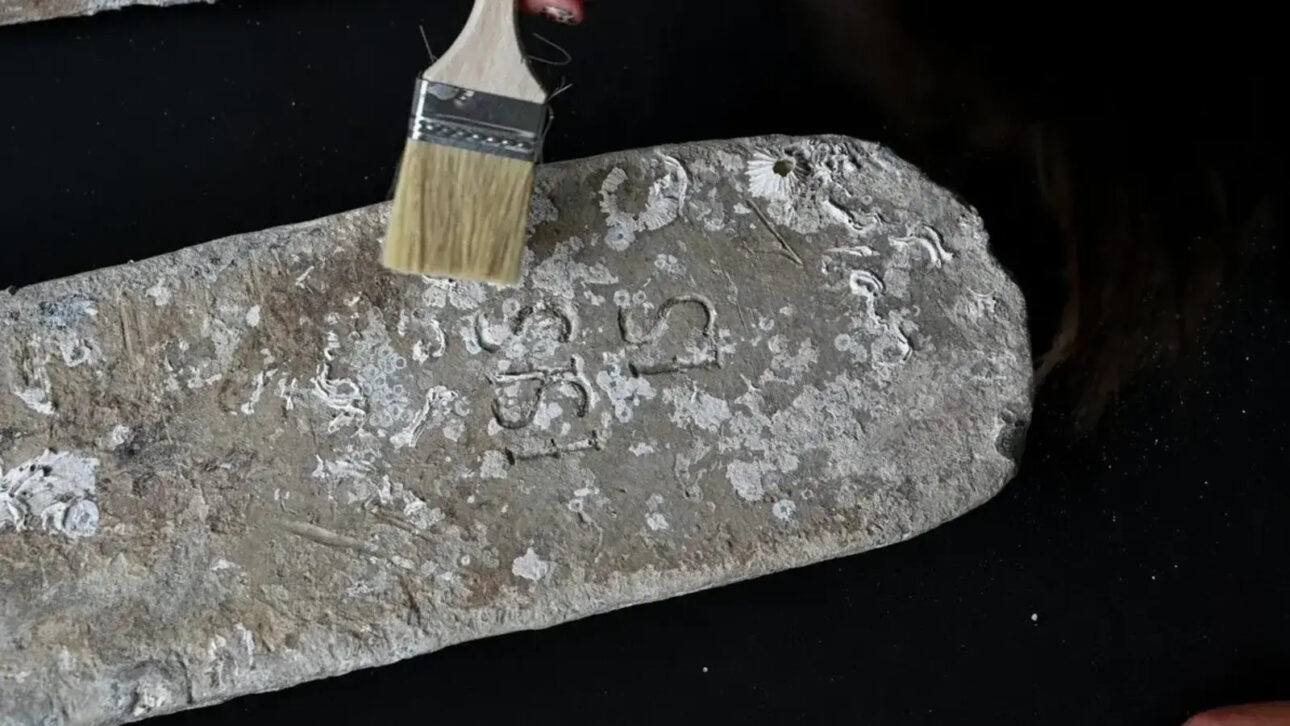
Marks on the lead ingots indicate possible connection to Dutch merchant ship
Each ingot bears a different manufacturer’s mark: “IS”, “EB” and “H”. According to archaeologists, these marks are similar to those found on a lead cargo recovered from the Kennemerland shipwreck.
The Kennemerland was a ship of the Dutch East India Company, which sank near the Shetland Islands in 1664.
Due to the similarity of the marks, researchers believe that the shipwreck located at Hornsea 3 may also have been a Dutch merchant ship.
The hypothesis is supported by the location of the discovery. The shipwreck is on a historic maritime route between Hull and the Netherlands, used for trade across the North Sea.
Lead may have left Derbyshire in the 17th century
Researchers suspect that the lead originates from the Peak District and Derbyshire, one of the most important lead mining regions in England during the 17th century.
At the time, large quantities of English lead were exported through ports like Hull and London. The destinations included significant commercial centers such as Amsterdam and Rotterdam.
Before the health risks associated with lead were understood, the metal was used in plumbing, construction, ammunition, and other manufactured products. Turning the material into ingots facilitated its transport as commercial cargo.
Alison James, Director of Heritage Services at MSDS Marine, described the discovery as “a direct link to the past.” She expressed hope that future analyses will confirm whether the lead was mined in Derbyshire before beginning its final sea voyage.
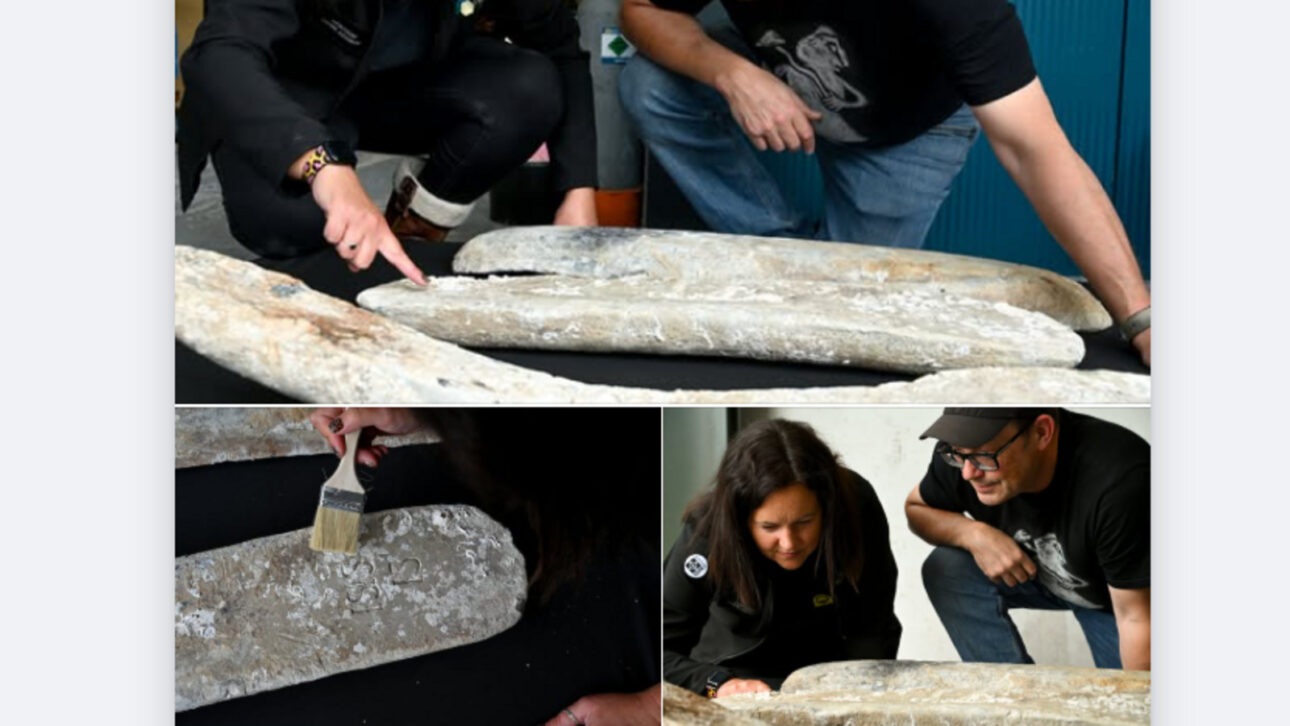
Find was preserved before going to museum
After conservation work, the artifacts were transferred to the Peak District Lead Mining Museum in Matlock, Derbyshire. The pieces will be displayed to the public while new research investigates their exact origin.
Ørsted, the Danish renewable energy company responsible for Hornsea 3, worked with MSDS Marine, Historic England, and the Maritime & Coastguard Agency to document, conserve, and preserve the artifacts.
The shipwreck is noted as one of the most significant archaeological discoveries made during investigations at the Hornsea 3 site, completed last year. The announcement was made only now, after the conservation and relocation of the historical cargo.
The Hornsea 3 project is set to become the largest offshore wind farm in the world when completed. The £8.5 billion venture is expected to generate enough renewable energy to power about 3.3 million homes in the UK.
The discovery is significant because the Hornsea 3 development area, in the southern North Sea, has relatively few known shipwrecks of wooden ships prior to the 18th century.
This article was prepared based on information from MSDS Marine, Ørsted, Historic England, and the Maritime & Coastguard Agency, with data, numbers, and statements preserved as per the consulted material.