Portuguese
  Spanish


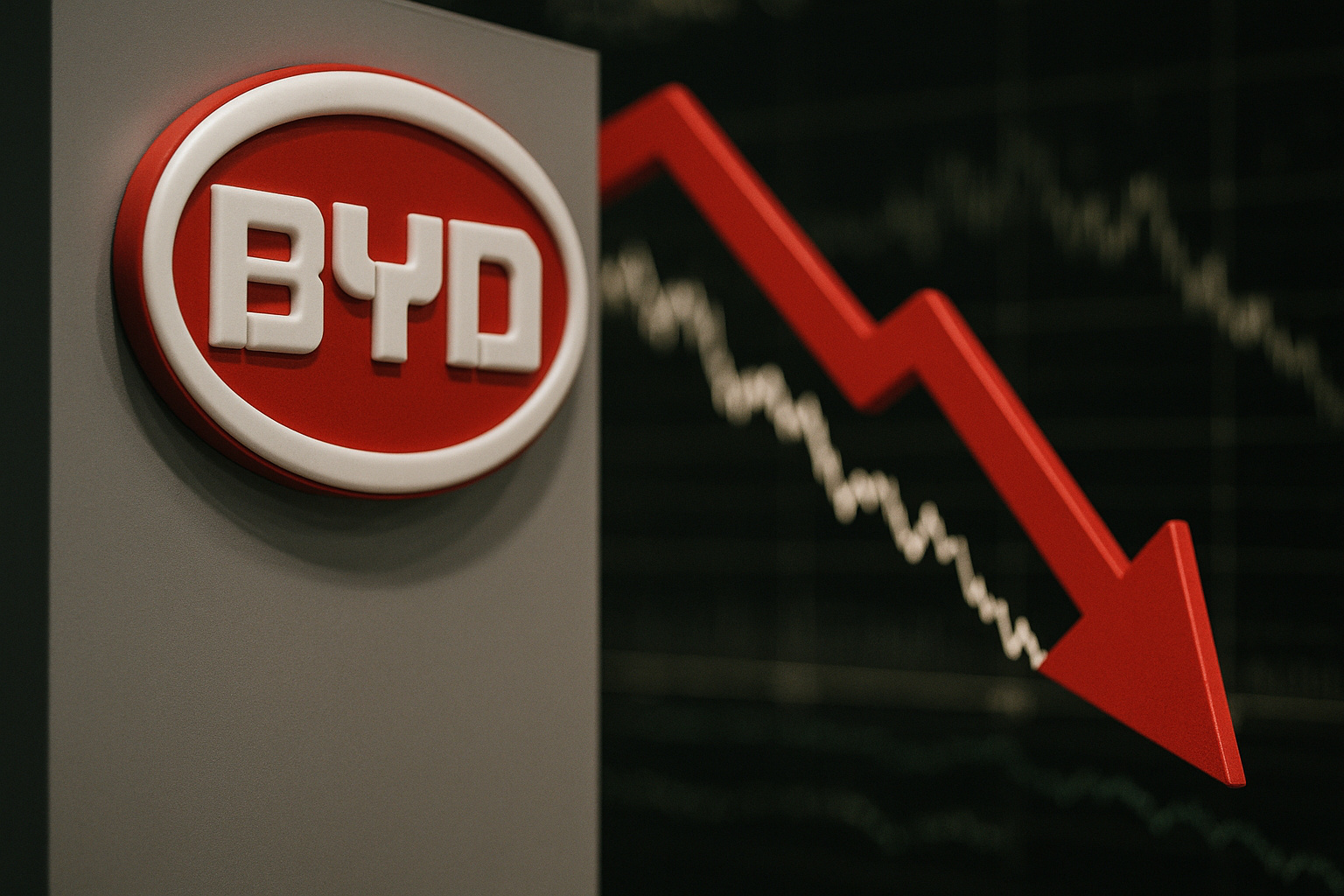

Chinese Manufacturer Registers First Drop in Three Years, Sees Sales in Consecutive Retraction and Signals Risk of Financial Collapse in National Automotive Sector in Face of Factories Producing Above Demand
The BYD, largest manufacturer in China, recorded its first profit drop in over three years in the last quarter. The result was accompanied by a continuous decline in sales, which have now accumulated three consecutive months of decrease. This scenario is a direct consequence of the price war in the Chinese automotive market, amid production that exceeds domestic consumption capacity.
According to data released at the end of August, the company expected to sell 5.5 million vehicles in 2025 solely in the domestic market, but so far the forecast points to a deficit of over 1 million units. The slowdown indicates that, despite industrial advancements, demand is not keeping pace with production speed.
The surplus of available vehicles is a reflection of years of government subsidies that stimulated rapid expansion of assembly lines. The immediate result was an abundant supply of cars at increasingly lower prices, but with an inevitable consequence: more cars than customers willing to buy them.
-
2027 Toyota Corolla Cross Unveiled: New Design, Enhanced Fuel Efficiency, Reduced Maintenance Costs, Advanced Technology, Connected Services, and Up to 10-Year Warranty

-
Fiat Cronos Precision 2018: Affordable Sedan with Spacious Trunk and Reliable Maintenance
-
Volkswagen to Cut Production by 1 Million Cars by 2030, Reducing Jobs and Platforms, Focusing on More Profitable Models

-
Toyota Launches First 100% Electric Car in Brazil: bZ4X with 343 HP, All-Wheel Drive, 361 km Range, Priced at $419,990 BRL, Limited to 99 Units




More Production Than Consumption
The crisis of overproduction does not only affect the electric vehicle segment. A large portion of the unsold inventory consists of internal combustion models, which have been directed to external markets such as Russia, Central Asia, and the Middle East. The export strategy, however, has not been sufficient to absorb the surplus.
This dumping of cars abroad was already recorded at the end of 2024 and has intensified throughout this year. The abundance of vehicles at dealerships pressures manufacturers, distributors, and suppliers, generating payment delays and risk of default across the entire supply chain.
Furthermore, the scenario calls into question the financial sustainability of the companies themselves. With reduced margins and inflated inventories, the economic balance of the sector now depends on aggressive cost cuts and new stimulus measures.
Warning Signs in the Sector
According to information published by the portal The Drive, based on a report from Reuters, BYD was one of the companies that recently signed a formal commitment to ensure timely payments to its suppliers. The gesture reflects concern that potential delays could cause disruptions in the supply chain.
This type of commitment is unusual during stable periods and serves as a warning that some companies are already facing financial difficulties. Experts emphasize that the price war, while beneficial to consumers in the short term, threatens the survival of manufacturers in the medium and long term.
With the domestic market saturated and margins declining, the Chinese automotive sector finds itself at an impasse: maintain production pace at the risk of collapse or slow down and face restructuring costs.
In your opinion, can the suppliers of the Chinese automotive industry withstand this pressure caused by the price war and BYD’s profit drop, or will we see a wave of delays and disruptions in the supply chain?