Portuguese
  Spanish


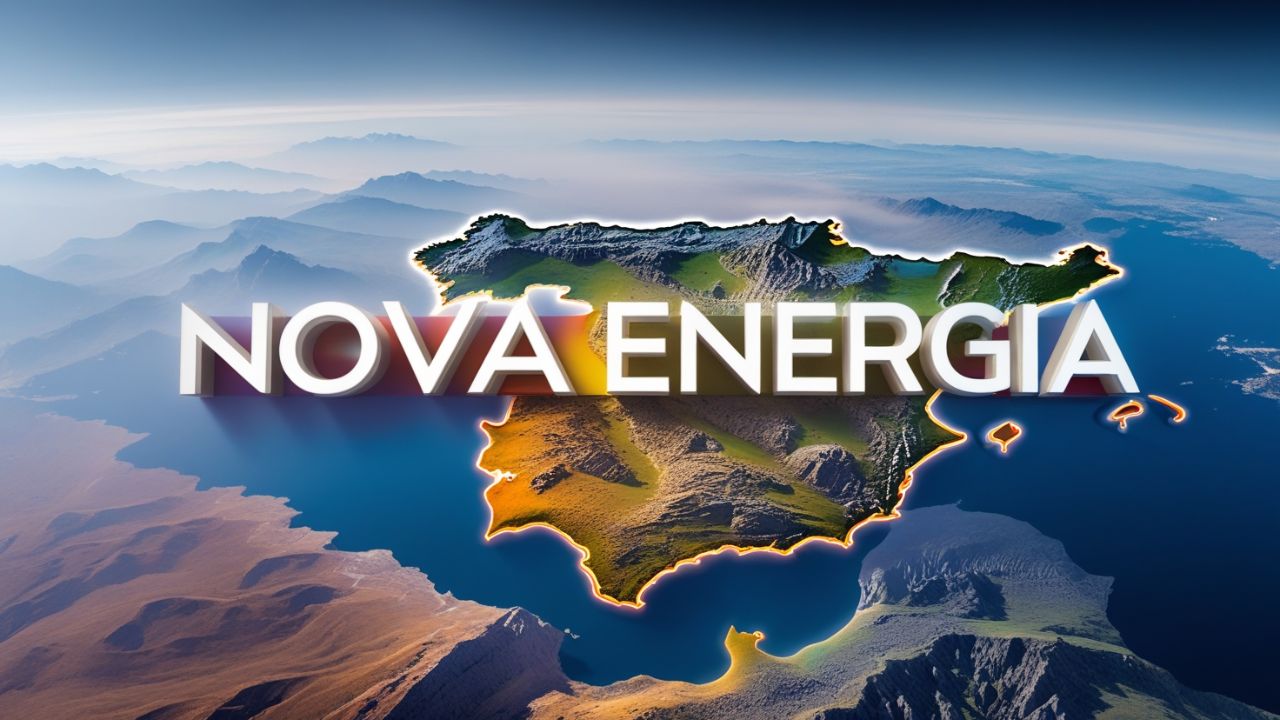

Madrid Faces A Great Challenge: The City Produces Only 4.8% Of The Energy It Consumes. This Means That The Spanish Capital Depends Heavily On Other Regions To Meet Its Energy Demand, Becoming One Of The Most Dependent Autonomous Communities In The Country. This Situation Not Only Increases Energy Costs, But Also Makes Madrid Vulnerable To Supply Fluctuations.
In Light Of This Reality, The Need To Diversify The Energy Matrix Is Urgent. And Surprisingly, The Solution May Be Right Beneath The Feet Of Madrilenos: The Subsoil Of The City Holds Enormous Energy Potential.
An Unexpected Discovery
Between The 1960s And 1980s, exploratory drillings Were Conducted In Search Of Oil. In 1980, Shell Made One Of The Most Promising Attempts At The “El Pradillo-1” Well, Hopeful To Find Hydrocarbons That Would Turn Madrid Into An Oil City.
But What The Engineers Discovered Was Something Completely Unexpected: At Over 3,500 Meters Deep, The Subsoil Of Madrid Did Not Contain Oil, But Rather A Source Of Underground Heat. Further Studies Revealed The Presence Of A Geothermal Aquifer Between 1,500 And 2,150 Meters Deep, With Temperatures Ranging From 70ºC To 90ºC.
-
Green Hydrogen Projects in Northeastern Brazil Stalled for 18 Months Awaiting Government Decree, Delaying Billions in Investments

-
Brazil Concludes Largest Energy Auction in History, Secures 18.97 GW and Mobilizes $12.8 Billion to Ensure Supply Until 2031
-
How Norway Produces More Energy Than It Consumes with Nearly 1,800 Hydropower Plants and Over 1,100 Reservoirs

-
Axia Energia Invests $280 Million in Q1, Increases Investments by 36%, and Turns Loss into $740 Million Profit


With This Discovery, The Focus Shifted From Fossil Fuel Extraction To The Exploration Of Geothermal Energy, A Clean And Renewable Source That Could Transform The City’s Energy Matrix.
The Potential Of Geothermal Energy

Geothermal Energy Is Generated By The Heat From The Earth’s Interior And Can Be Used To Generate Electricity As Well As To Heat Buildings And Water. This Renewable Energy Source Is Highly Efficient, As It Works Continuously, Unlike Other Intermittent Sources Such As Solar And Wind.
In Madrid, Studies Have Shown That Areas Like Tres Cantos, San Sebastián De Los Reyes, And Geomadrid-1 Have Multilayer Aquifers That Could Be Exploited To Supply Entire Neighborhoods With Urban Heating. This Technology Is Already Used In Countries Like Iceland, Where 66% Of Primary Energy Consumption Comes From Geothermal Energy.
The Use Of This Source On A Large Scale In Madrid Could Significantly Reduce Its Dependence On Other Regions, Improve Energy Security, And Lower The Carbon Footprint.
Why Is This Source Still Not Being Utilized?
If Geothermal Energy Is Such A Promising Solution, Why Is It Still Not Exploited On A Large Scale In Madrid? The Main Reason Is The High Initial Cost Of Research And Drilling.
To Take Advantage Of This Resource, It Would Be Necessary To Invest In Specific Infrastructure, Such As Geothermal Plants And Water Reinjection Systems To Maintain The Thermal Balance Of The Subsoil. There Is A Lack Of Political And Economic Incentives To Encourage Private Initiative To Invest In This Technology.
However, Some Examples May Serve As Inspiration For Madrid. The Basque Country, For Instance, Implemented Geothermal Loops At The University Of The Basque Country, Utilizing Underground Heat To Heat Its Facilities. This Initiative Could Be Replicated In The Spanish Capital, Making It Less Dependent On Other Regions To Meet Its Energy Demand.