






 Portuguese
  Spanish


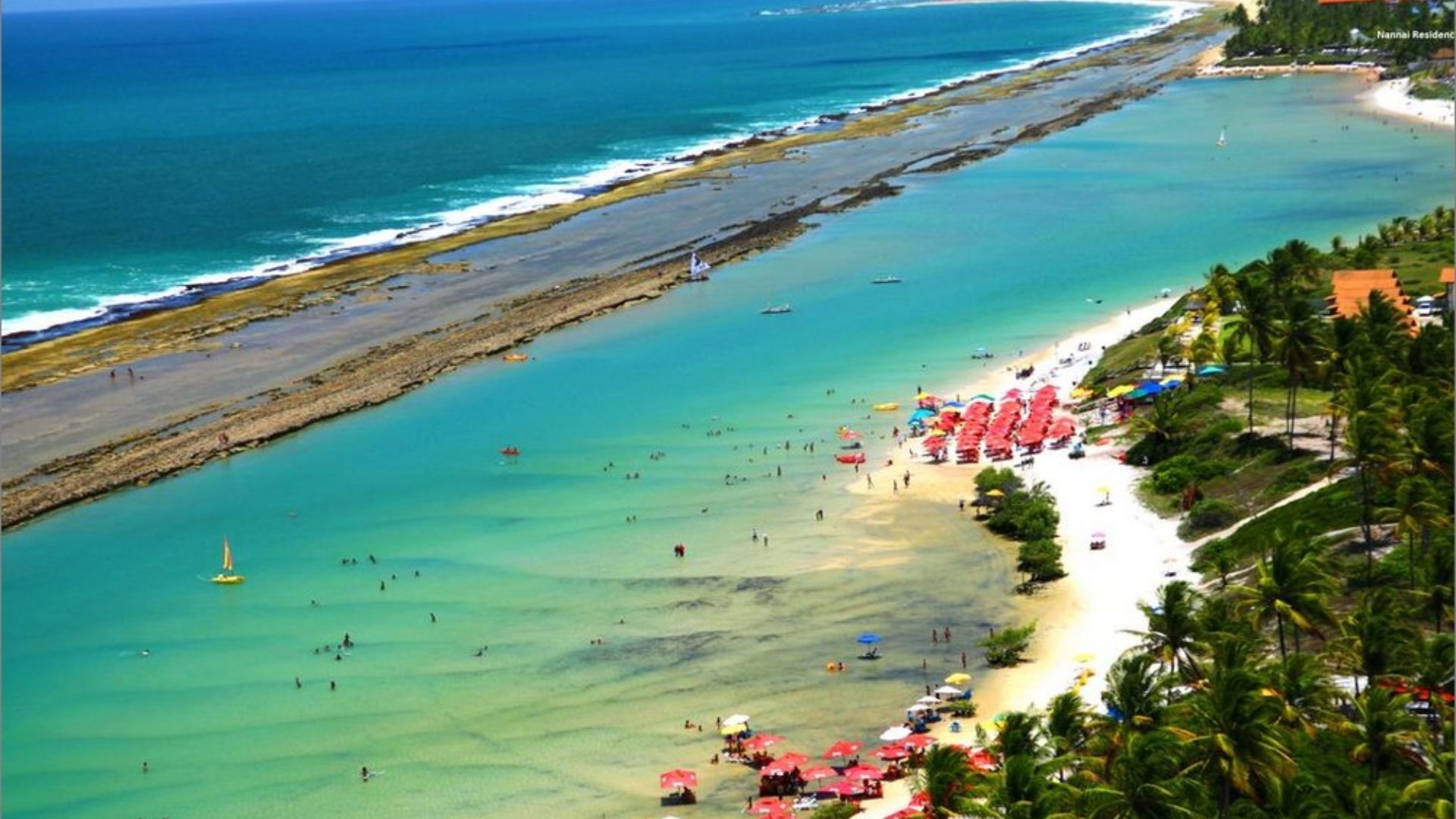


Calming Beach In Pernambuco Brings Reefs, Transparent Sea, And Extensive Protected Area, Forming One Of The Most Known Natural Scenarios Of The Brazilian Coast, With Consolidated Tourist Structure, Calm Bathing, And Landscape That Changes With The Movement Of The Tides.
Muro Alto Beach, in the municipality of Ipojuca, on the southern coast of Pernambuco, is known for its calm sea, clear water, and a wall of reefs that turns a stretch of the shoreline into a large natural pool.
With approximately 3 kilometers in length, the stretch of sand is close to Porto de Galinhas and about 54 kilometers from Recife, in an area that concentrates resorts and receives visitors throughout the year.
The scenario that marked the fame of the place appears more prominently at low tide, when the rock formations act as a barrier and hold back the force of the waves.
-
Volcanic Soils from Destructive Eruptions Turn into Million-Dollar Crops: Ashes Nourish Grapes in Lanzarote, Bananas in the Canary Islands, Blood Oranges on Mount Etna, and Cacti in Mexico, Showcasing How Lava-Formed Lands Sustain Rare Harvests in Seemingly Barren Regions

-
In the Caucasus Mountains, a Community Preserves a Language So Rare Few Outsiders Can Understand It

-
Slovakia’s Ice Cave Holds Over 110,000 m³ of Frozen Wonders, Boasts Walls Up to 27 Meters Thick, and Was Among the First Electrified Caves Globally

-
Street Cleaner Accidentally Receives $200,000 Transfer, Returns Unexpected Fortune to Rightful Owner
Tourist guides, media vehicles, and promotional materials for the destination often describe Muro Alto as the largest natural pool in Latin America, an association that also circulates in tourism publications and local descriptions.
Strategic Location On The Southern Coast Of Pernambuco
Between Porto de Galinhas and the Suape region, Muro Alto has become one of the most sought-after spots on the Pernambuco coast due to a very specific geological feature.

What the visitor sees from the sand is, in practice, the effect of a natural “wall” in the sea, formed by reefs that accompany part of the beach.
This set of rocks and sandstones creates a protected zone, where the water tends to be calmer, with lower depth and pleasant temperature at many times.
Depending on the tide level, the natural pool expands and leaves the surface even smoother, which completely changes the bathing experience compared to open-sea beaches.
There are technical records of the presence and size of these formations.
The Geological Service of Brazil describes the sandy reefs of Muro Alto as a long linear feature, associated with what are called beachrocks, which become more evident at low tide and help explain the name of the beach.
Reefs Shape The Calm Sea And The Transparency Of The Water
The wall of reefs is the element that organizes the landscape and also determines the pace of the visit.
When the tide recedes, part of the rocks becomes exposed and delineates the protected area more clearly, leaving the water trapped, more transparent, and with little agitation.
Meanwhile, high tide alters the shape of the site and can reduce the stretch of sand, as well as change the visibility in the water.
Even with a fuller sea, the reef continues to function as partial protection, but the “pool” sensation tends to be more pronounced at lower tide times.

This behavior makes many people plan their visits by checking the tide table, especially those who want to enter the water peacefully, observe the bottom, and enjoy the calm.
In shallower sections, it is common to notice fish swimming near the rocks, which gives bathing a contemplative aspect, especially when the sun enhances the transparency.
Preferred Destination For Families And Tourists Seeking Tranquility
The calmer water helps explain the constant presence of families with children.
Without the pressure of strong waves in much of the protected area, bathing tends to seem more predictable, with space to play and walk in the sea, especially when the tide is low.
Still, the location requires basic beach care and attention to the movement of the tides.
In areas close to the formations, rocks can be slippery, and the depth changes according to the stretch of reefs and the sea level.
For this reason, many visitors prefer to stay in the more open parts of the natural pool, where access is simpler from the sand.
Another factor that weighs in is the feeling of refuge even in a well-known tourist destination.
The length of the beach allows bathers to spread out, which helps maintain a sense of tranquility at different times, despite the influx of visitors during seasons and holidays.

Water Activities And Beachfront Resorts
In addition to bathing, Muro Alto is often associated with activities in calm waters, such as kayaking and stand-up paddleboarding.
The barrier of reefs decreases the agitation of the sea in much of the protected stretch.
In some spots, there are also offerings of small boat tours, in a dynamic typical of beaches with sheltered areas.
Along the shoreline, the presence of resorts and residential developments influences the experience of those visiting.
In certain stretches, the private structure integrates with beach access, providing services and support to visitors.
Other areas maintain a more open use, depending on the arrival point and local rules.
This combination of calm sea, water transparency, reefs, and infrastructure has helped Muro Alto gain prominence as a postcard of Pernambuco.
The destination frequently appears in travel itineraries focused on the northeastern coast, especially for those looking for a less turbulent bathing experience and clear water scenery.


Muro Alto,só tem Resorts, os mais caros do Nordeste. A prai é praticamente exclusiva deles. Isso é propaganda pra vender os Resorts.
Muito boa a matéria, apenas um pouco repetitiva como se tornou o padrão desse estilo de texto. A arte, porém, está sofrível. A linha de cota sugere que o “muro” está a 3 km da faixa de areia.