






 Portuguese
  Spanish


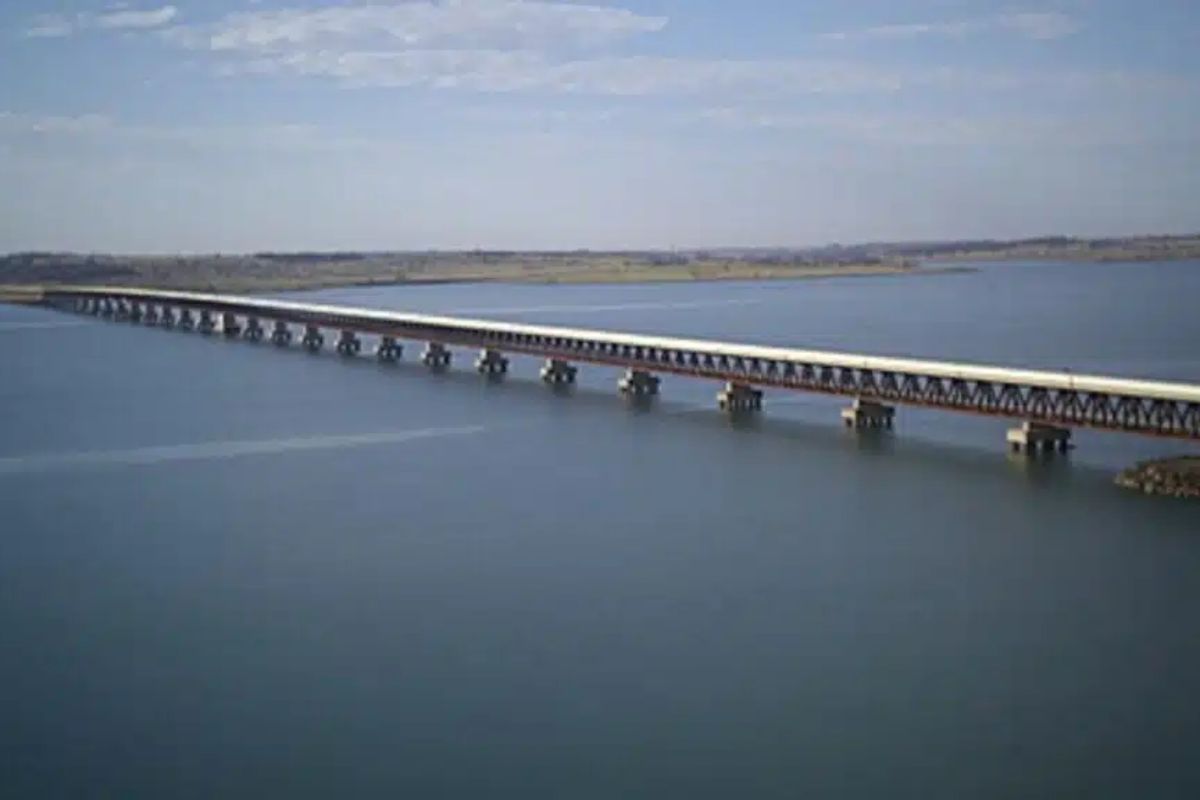


The Longest River Bridge In Brazil Crosses Almost Four Kilometers Of The Parana River, Connects Sao Paulo To Mato Grosso Do Sul, Integrates Highway And Railway In A Single Logistical Corridor And Promises To Reduce Freight, Shorten Deadlines, Strengthen Agro-Industrial Exports And Reposition Producing Regions On The Route To The Strategic Port Of Santos.
Planned To Evacuate Harvest And General Cargo More Efficiently, The Longest River Bridge In Brazil Connects The Banks Of The Parana River, Shortens Distances Between Producers In The Interior And The Port Of Santos And Transforms The Border Between Sao Paulo And Mato Grosso Do Sul Into A Strategic Logistical Axis Of The Country.
With Almost Four Kilometers Of Extension Over The Parana River, The Longest River Bridge In Brazil Combines Road And Railway Tracks In A Single Structure, Creating A Continuous Corridor Between The Agro-Industrial Production Centers Of The Southeast Region And The Main Brazilian Port. By Eliminating Long Detours And Slower Crossings, The Structure Shortens Routes, Reorganizes Truck And Train Routes, And Redefines The Geography Of Transportation For Grains, Meats, Fertilizers And Industrial Inputs.
Structure Of The Longest River Bridge In Brazil And Connection Between Banks

The New Connection Is Supported By A Set Of Pillars Distributed Along The Bed Of The Parana River, With A Continuous Span That Accompanies The Width Of The River And Allows The Passage Of Vessels In Certain Sections.
-
Couple Transforms Abandoned Seaside Public Restroom Bought for £33,000 into £295,000 Beach House After a Decade of Renovations

-
With 26 Million Brazilian Families in Substandard Housing, Churches to Launch 2026 Challenge: Each Parish to Build or Renovate a Home for a Local Family
-
Wood-Look Aluminum Emerges as a High-Tech Alternative for Facades and Gates, Offering Sophisticated Aesthetics and Low Maintenance

-
Couple Transforms 1964 Concrete Water Tower into Four-Bedroom Home with Views of London Over Four Years



On The Upper Side, The Deck Was Designed To Accommodate Simultaneously The Road Lane, Where Trucks And Light Vehicles Travel, And The Railway Bed, Prepared For Heavy Cargo Trains.
This Solution Allows The Longest River Bridge In Brazil To Function As A Single Crossing Axis Between The Two Banks, Eliminating The Need For Parallel Structures Or Ferries For Large Vehicles.
By Concentrating Traffic On A Single Platform, The Project Reduces Conflict Points, Simplifies Maintenance, And Offers A Homogeneous Safety Standard For Drivers, Conductors, And Support Teams.
Integration Of Highway With Railway In A Single Corridor
One Of The Project’s Differentiators Is The Physical Integration Between Highway And Railway.
On One Side, The Paved Track Directly Connects To The Road Network That Cuts Through The Interior Of Sao Paulo And Mato Grosso Do Sul.
On The Other Hand, The Tracks Connect To The Railway Network That Already Serves Grain Terminals, General Warehouses, Factories, And Container Yards, Creating A Continuous Flow Between Farms, Industries, And Port Terminals.
This Configuration Transforms The Longest River Bridge In Brazil Into A Central Element Of A Multimodal Corridor.
Trucks Can Take Production To Nearby Railway Terminals, Where The Cargo Is Transferred To Trains That Cross The Parana River Using The Same Structure.
The Combination Of Modalities Reduces Operating Costs, Decreases Fuel Consumption Per Ton Transported, And Expands The Capacity To Move Large Volumes Without Saturating Sensitive Sections Of The Road Network.
Agro-Export Corridor Toward The Port Of Santos
In Practice, The Bridge Shortens The Route Between Producing Areas And The Sea.
Grains, Processed Meats, Soy Derivatives, Sugar, Alcohol, Cellulose, And Other Agro-Industrial Products Now Have A More Direct Route To The Port Of Santos, Considered The Exit Gate For A Good Part Of Brazilian Exports.
By Allowing Railway Trains To Depart From The Interior, Cross The Longest River Bridge In Brazil, And Head Toward The Coast With Fewer Interferences, The Agro Corridor Gains Predictability In Timelines And More Shipping Windows.
This Logistical Stability Is Crucial For International Contracts That Require Delivery On Strict Dates, Reducing The Risk Of Delays Due To Congestion On Highways Or Hazardous Crossings At State Border Points.
Impact On Freight, Deadlines, And Regional Competitiveness
The Shortening Of Routes Has A Direct Effect On Freight Costs.
Shorter And More Linear Routes Allow For Better Fleet Utilization, With Less Waiting Time And Less Wear On Vehicles And Equipment.
At The Same Time, The Expansion Of The Railway Share In The Corridor Reduces The Dependence On Long Truck Trips In Duplicated Sections, Which Alleviates Pressure On Already Saturated Roads In High-Flow Regions.
For Rural Producers And Cooperatives, The Longest River Bridge In Brazil Represents An Opportunity To Negotiate Contracts Based On More Predictable Logistical Costs.
This Can Influence Decisions About Where To Install Warehouses, Industrial Plants, And Distribution Centers.
Regions That Were Previously Disadvantaged Due To Being Further Away From Consolidated Routes May Gain Competitiveness By Connecting Directly To The Axis Leading To The Port Of Santos.
Urban And Regional Effects Of The New Connection
The Presence Of The New Structure Also Alters The Urban Dynamics Of Cities Nearest To The Bridgeheads.
Areas Previously Focused Only On Local Traffic Now Attract Transport Companies, Transshipment Terminals, Workshops, And Support Services For The Logistical Chain, Such As Gas Stations, Restaurants, Parking Lots, And Support Structures For Drivers.
At The Same Time, The Longest River Bridge In Brazil Requires Additional Planning For Traffic Safety, Signage, And Inspection Of Hazardous Cargo, Given That The Flow Of Trucks Is Expected To Grow Consistently.
Without Adequate Design Of Accesses, Roundabouts, Marginals, And Safe Crossings, The Efficiency Gains In Transportation May Be Accompanied By Greater Pressure On Urban Traffic And Quality Of Life In Nearby Areas.
Maintenance, Environmental Challenges, And Future Use Challenges
Built Over One Of The Country’s Main Rivers, The Bridge Requires Permanent Structural Maintenance Plans, Monitoring Of Pillars, Expansion Joints, And Drainage Systems, As Well As Detailed Inspections Of The Railway Tracks And Navigation Defenses.
The Durability Of The Longest River Bridge In Brazil Depends On Rigorous Technical Routines And Ongoing Conservation Investments.
From An Environmental Perspective, The Crossing Over The Parana River Imposes Care With Erosion On The Banks, Sediment Circulation, And Preservation Of Aquatic Fauna.
Complementary Works, Such As Accesses, Fill Areas, And Containment Devices, Need To Be Aligned With Monitoring Programs To Avoid Cumulative Impacts.
How These Challenges Are Managed Will Determine Whether The Bridge Is Remembered Only As A Symbol Of Logistical Strength Or Also As A Benchmark For Balancing Infrastructure And The Environment.
Given This Scenario, In Your Opinion, Should The Longest River Bridge In Brazil Be Used Primarily To Increase The Railway’s Participation In Harvest Evacuation, Or Should The Focus Continue To Be On Truck Traffic Along The Corridor To The Port Of Santos?


