






 Portuguese
  Spanish


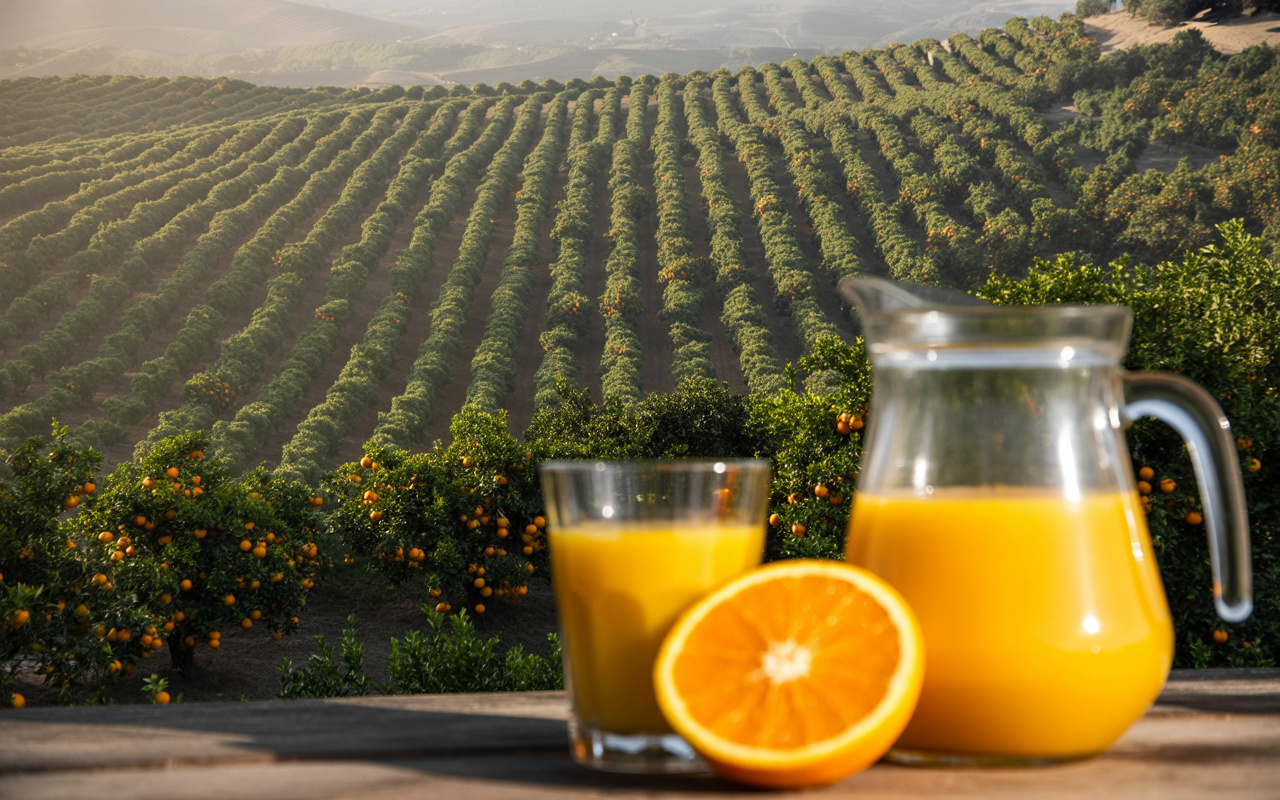


Among Discreet Paulista Roads, Rises a Green Empire of Oranges: Giant Farms, Technology, Logistics and Human Labor Sustain the Largest Global Power of Brazilian Citrus Juice, Invisible to Many Travelers.
Those who traverse the interior of São Paulo along roads that connect regions such as Ribeirão Preto, Araraquara, Bebedouro, Matão, and Limeira can hardly imagine the magnitude of what surrounds them. Kilometers and kilometers of continuous orchards form the largest citrus belt on the planet, responsible for the largest orange production in the world and Brazil’s absolute dominance in the global juice market.
It is not an exaggeration to say that this region operates as a contintal-scale agricultural powerhouse. Each harvest, millions of tons of oranges are harvested from properties that, in size and complexity, resemble small cities, with their own fleet, workshops, storage centers, dining halls, accommodations, and integrated logistics.
From Paulista Orchards to Global Ports
The so-called Paulista Citrus Belt, which also extends through the Triângulo Mineiro, accounts for a large part of the national production and for over 70% of the orange juice exported worldwide. What begins as fruit on the tree ends as a strategic commodity in markets across Europe, the United States, and Asia.
-
India’s Sugar Export Cuts and Ethanol Shift Amid El Niño Threat Could Impact Global Prices and Stocks

-
Quarantine Pest Threatening Palm Trees Puts Brazilian Authorities on Alert, Prompts Monitoring at University of Taubaté and Potential Control Measures Across São Paulo
-
Global Alert: Report Finds 159 Pesticides in Coffee Beans Sold in Europe, Posing Serious Risks to Millions of Farm Workers
-
Low-Demand Brazilian Beef Offal Gains Popularity Abroad: Indonesia Purchases $19.5 Million, Boosting Revenue and Reducing Waste



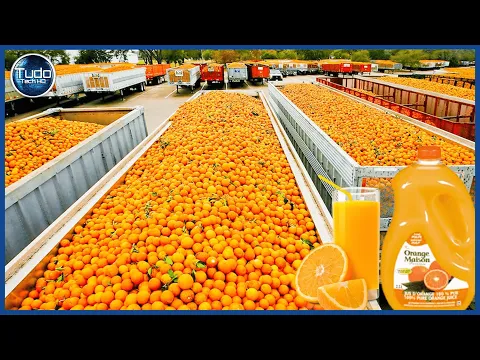

The construction of this domain did not happen overnight. Paulista citrus farming gained momentum in the second half of the 20th century, when favorable climate, suitable soils, agricultural technology, and proximity to ports created an almost perfect combination. While other countries produced oranges for domestic consumption, São Paulo began to build a complete industrial chain, primarily oriented towards processing.
Technology, Scale, and Logistics Drive the Orange Empire
Today, much of the production does not go to shelves as fresh fruit. It goes directly to processing plants, where it is transformed into concentrated and frozen juice, a high-value product that can be transported and stored for long periods.
This is where the scale impresses even more. Some farms have hundreds of thousands of trees, operating with mechanized or semi-mechanized harvesting, climate monitoring, biological pest control, and real-time data management. During harvest season, the flow of trucks is continuous, day and night, linking orchards to industries that operate almost non-stop.
The Economic Impact of the Sector
The economic impact is massive. The sector generates hundreds of thousands of direct and indirect jobs, moves billions of reais a year, and sustains entire cities whose revenue depends directly on oranges. In many municipalities in the interior of São Paulo, citrus farming sets the pace of the local economy, from commerce to services.
However, this dominance did not come without challenges. Paulista citrus farming has faced a constant battle against pests and diseases for years, especially greening (HLB), considered the greatest threat to orange production worldwide. The fight requires strict monitoring, eradication of diseased plants, heavy investment in research, and rare coordination among producers, industries, and technical agencies.
Even so, the citrus belt has remained competitive. The response came with technology, scale, and organization, factors that few countries can replicate simultaneously. While other producing regions suffer from climate fluctuations, high costs, or lack of industrial infrastructure, São Paulo maintains an integrated chain that stretches from seedling nurseries to export ships.
The Silent Power That Defines Global Prices from the Paulista Interior
Another aspect little visible to the final consumer is the industrial concentration. A few groups control a large part of the processing and export of Brazilian juice, which turns the Paulista interior into a global decision-making center of the orange market. Prices, contracts, and trade volumes there directly influence what reaches supermarkets in other continents.
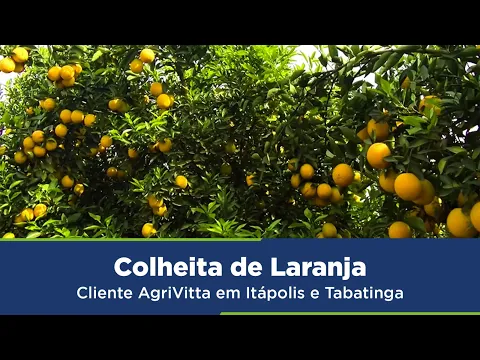
Despite all this strength, the Paulista orange rarely appears in popular imagination as a symbol of mega agricultural projects. Perhaps because it does not have the visual impact of a hydroelectric plant or an open-pit mine. But, in terms of production scale, economic impact, and global influence, few supply chains in the world are as dominant as this one.
Far Beyond the Fruit: The Brazil That Leads Global Chains
The agricultural belt of oranges is a clear example of how Brazil not only produces food but controls strategic stages of global supply chains, something rare in international agribusiness. While many countries export raw materials, São Paulo exports processed products, logistics, standards, and influence.
In the end, the glass of juice served at a breakfast in New York, Berlin, or Tokyo has a good chance of starting its journey in an orchard in the Paulista interior. An invisible path for the consumer, but crucial to understand why this region has become the heart of the planet’s orange juice.
And you, dear reader: how many products in your daily life depend on Brazilian agricultural belts that operate on a global scale but go unnoticed outside the field?










Já foi a maior região produtora de laranja do Brasil até o ano 2000 e fracassou a produção por redução de valores da caixa peso para os citricultores dessa região onde precisaram mudar de cultura que hoje é a cana’d’açucar a mais cultivada nessa região.
Matão SP, Minha Cidade Natal e também da Gigante Citrosuco.
Minha Cidade Natal – Matão SP, berço da Indústria Potência em Processamento de suco e derivados de Laranja. A Citrosuco.