Portuguese
  Spanish


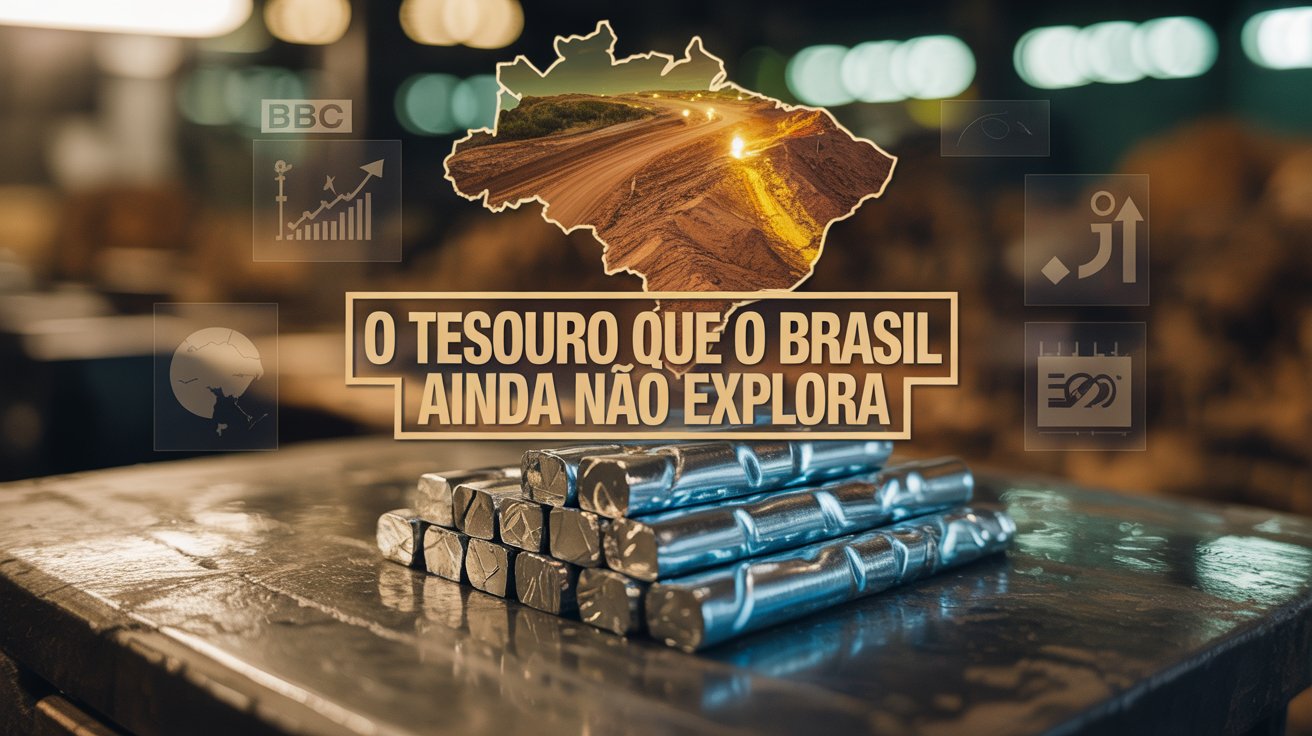


Brazil Dominates The Global Niobium Market And Holds The Largest Known Reserves Of The Metal, But Still Faces Barriers To Turning This Mineral Potential Into Broader Industrial And Technological Gains.
Brazil concentrates the largest known reserves of niobium, leads production, and accounts for the majority of global exports of the metal.
Even so, the country still captures a limited share of the value generated in this chain: local transformation is restricted, uses still fall outside consistent industrial policies, and most income remains tied to the mining stage.
In other words, there is billion-dollar potential at stake, but without a long-term plan to advance industrialization, the return falls short of what is possible.
-
Brazilian Startup Turns Coffee Grounds into Plant-Based Leather, Cutting Water Use by Over 50 Times for High-Impact Sustainable Fashion

-
Eco Invest Auction Aims to Unlock $10 Billion in Investments, Focusing on Green Fertilizers, Critical Minerals, Batteries, and AI for Clean Industry in Brazil

-
Half of Brazilians Prefer Lower Taxes with Private Health and Education, While 44% Opt for Higher Taxes for State-Provided Services, Datafolha Survey Reveals

-
Brazil’s Most Expensive Toll Rises to R$ 40.60 on Route from São Paulo to the Coast, Nearly Matching Bus Fare to Santos




Importance And Applications Of Niobium
Niobium is considered strategic due to its application in special alloys and high-strength steels, as well as uses in sectors that demand performance and efficiency.
The demand exists, although segmented.
Although mining activity generates large sums and creates thousands of direct and indirect jobs, stronger value capture depends on processing, technology, and integration with more complex industries.
In addition to geological dominance, the country has a consolidated mining sector.
Companies established in the territory produce and export continuously, ensuring a presence in the international market.
However, the machinery that transforms ore into high-value-added products — such as alloys, components, and inputs for technology-intensive sectors — advances at a slower pace than the potential suggests.
Opportunities And Challenges Of Industrialization
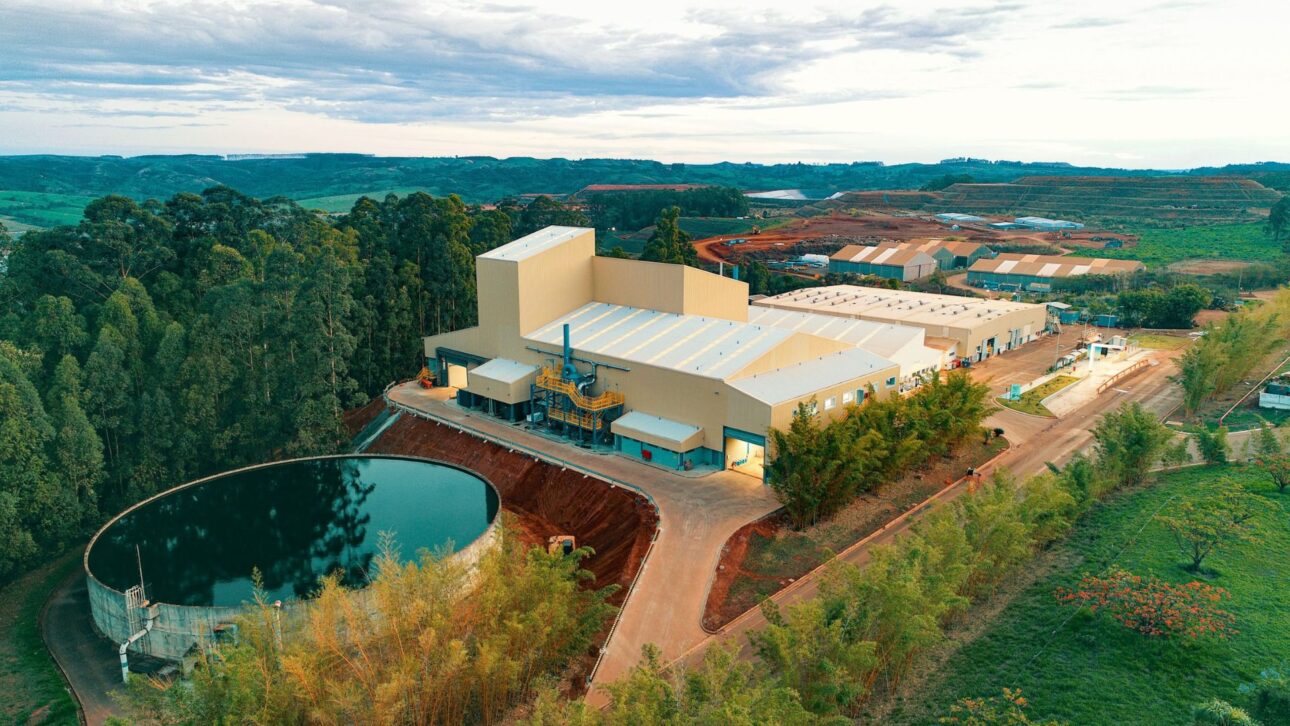
The local transformation tends to increase margins, diversify the export agenda, and reduce vulnerabilities typical of markets concentrated on commodities.
It also strengthens domestic innovation, shortens supply chains, and creates more qualified jobs.
Without this movement, the country remains dependent on price cycles and external buyers who control critical stages of the chain.
There are concrete obstacles.
The first is the restricted market: niobium consumption is concentrated in niches, which limits immediate scale gains.
At the same time, the transformation cost weighs heavily, as it requires high investments in technology, energy, qualification, and certifications.
Add to this the absence of a long-term industrial policy that aligns public and private sectors with clear goals, regulatory predictability, and instruments to unlock projects.
Another challenge lies in the dispersion of demands.
Niobium enters chains such as steelmaking, metallurgy of special alloys, and other areas that require technical performance, which necessitates coordination so that supply and innovation move forward together.
Without predictability, companies postpone investments and the national industry misses the chance to build local suppliers of inputs, parts, and engineering services.
National Strategy And Industrial Development
This is where a national strategy can make a difference.
Measures such as public procurement aimed at innovation, specific credit lines for R&D and modernization, support for competence centers, and training of specialized labor help reduce risks.
A development policy can also promote partnerships between universities, research institutes, and companies to accelerate technological diffusion and standardization of processes.
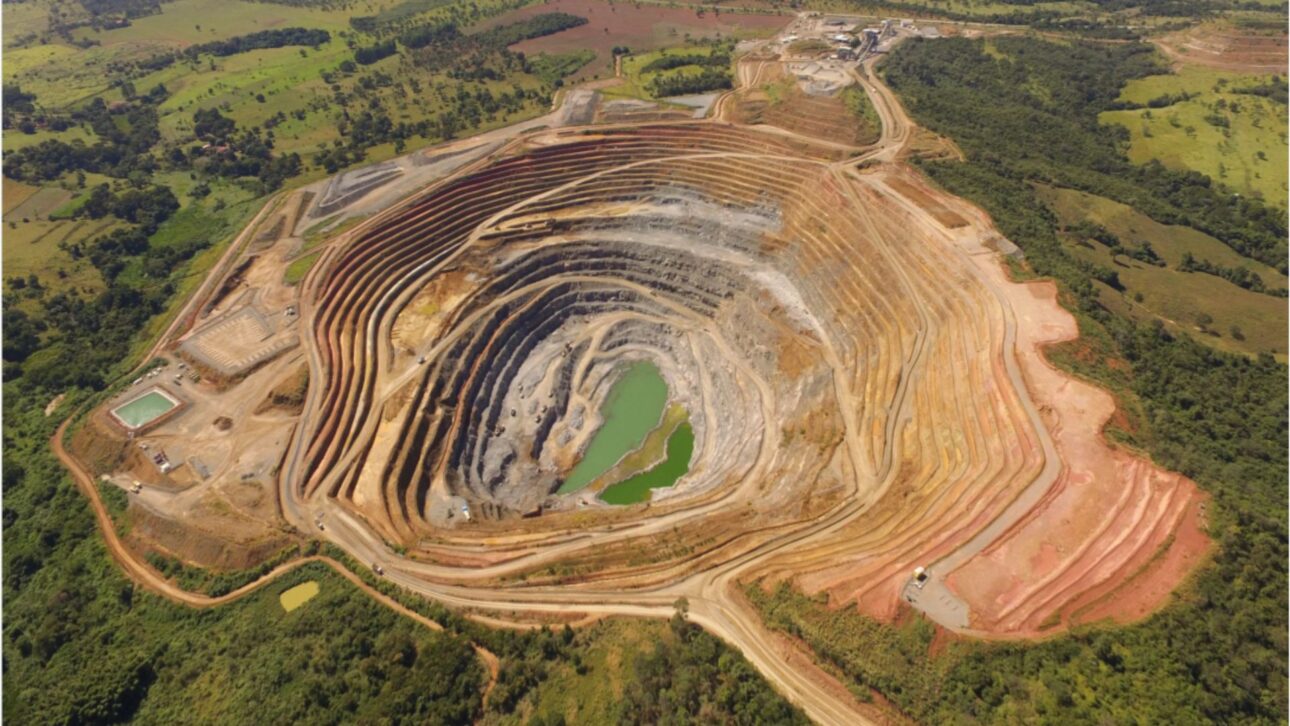
In the international environment, competitors are moving with a focus on value addition and supply security.
This indicates that Brazil, holding the largest reserves and productive leadership, has room to climb the technological ladder and capture a larger share of the value.
For this, it is necessary that competitive energy, logistical infrastructure, and predictable regulatory frameworks are part of the package, making transformation projects economically viable.
Economic And Social Impacts Of Mining
Meanwhile, mining remains a economic anchor.
It drives revenue in mining municipalities, sustains supply chains, and increases income circulation.
Still, the quality leap depends on adding industrial stages within the national territory.
When production shifts only as a basic input, the country forfeits higher tax revenues, more qualified jobs, and productivity gains associated with cutting-edge sectors.
The central question is how to convert mineral leadership into a strategic asset.
The path involves mapping bottlenecks, prioritizing projects with greater potential for technological spillover, and adopting instruments that reduce investment uncertainty in transformation.
At the same time, it is essential to stimulate domestic demand for applications of niobium, creating critical mass to justify industrial plants and consolidate local chains.
Connection With Agriculture And Innovation
The debate has gained traction in economic news and in the agriculture sector, which closely follows the incorporation of advanced materials into machinery, infrastructure, and logistics.
The pursuit of efficiency and sustainability drives the demand for lighter and more resistant equipment, and innovation in materials is a key piece in this puzzle.


By connecting the countryside and the city, the discussion on niobium also fits into the agenda of the country’s productivity and competitiveness.
In the program The Strength Of Agro, the audience finds explanations about the importance of niobium, its applications, and the barriers that prevent Brazil from fully monetizing its natural advantage.
The journalistic production seeks to translate technical themes into accessible language without compromising precision and aims to show how a well-designed industrial policy can transform a mineral asset into a development driver.
Sustainability And Environmental Responsibility
In addition to economic aspects, the agenda of local transformation demands attention to socio-environmental criteria.
Efficient licensing, good waste management practices, and transparency with communities are mandatory components of a modern value chain.
By incorporating high environmental and social standards, the industry expands access to demanding markets and reduces reputational risks, which, in turn, facilitates financing and partnerships.
Strategic Potential Of Brazilian Niobium
It becomes evident that there is an unprecedented opportunity for the country to align its geological leadership with a value-added industrialization project.
Mining will remain relevant, but the ambition now is to retain technological stages, generate knowledge, and capture higher revenues per exported product.
With coordination among government, companies, and academia, Brazil has the conditions to consolidate an ecosystem that transforms abundant reserves into sustained development.
If the country has the largest natural resource and productive experience, what is missing to unlock local transformation and truly turn niobium into a lasting competitive differential?