Portuguese
  Spanish



China Launches 15 MW Wind Turbine, the Most Powerful in the World, Capable of Providing Clean Energy for Thousands of Homes
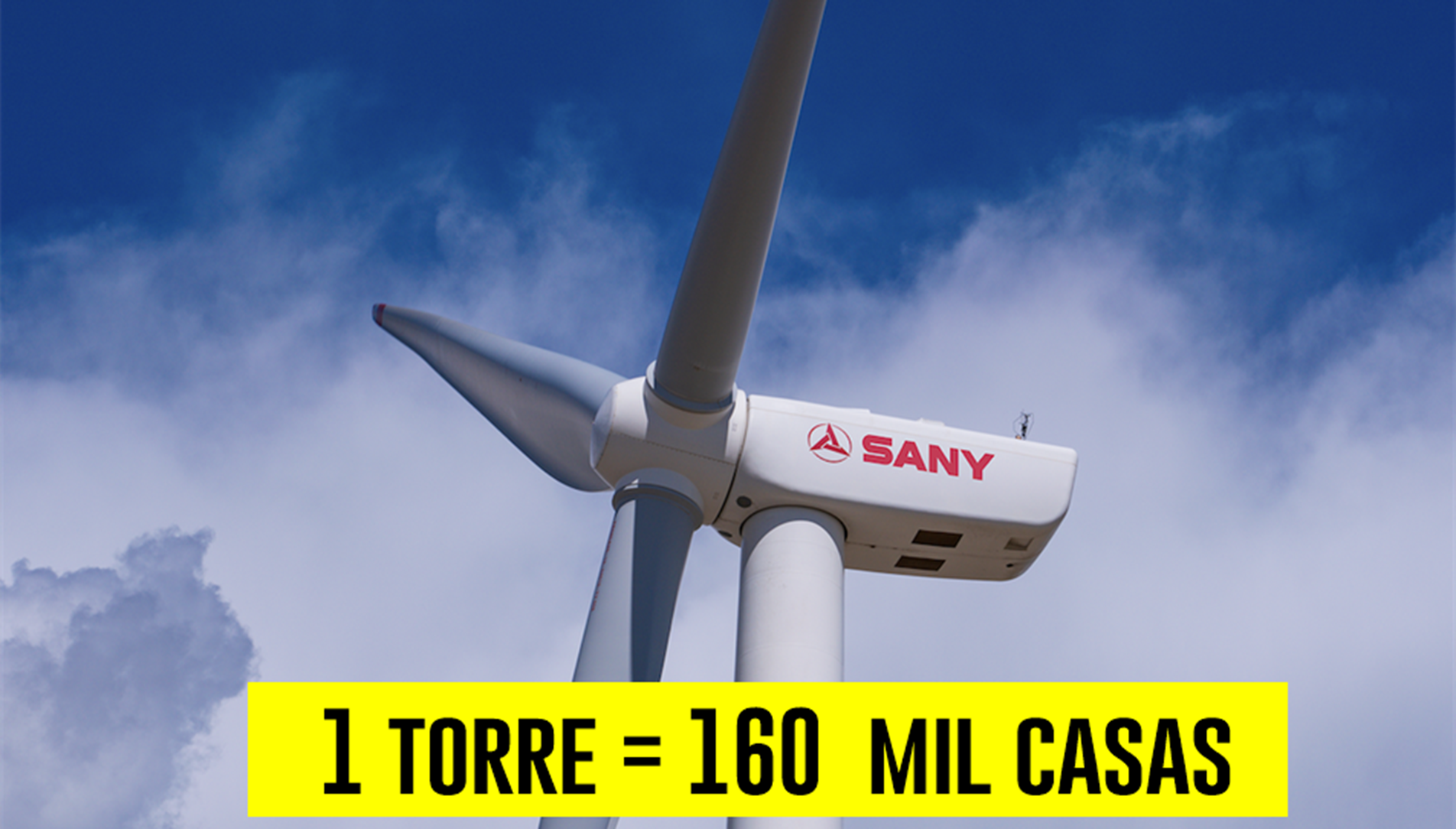
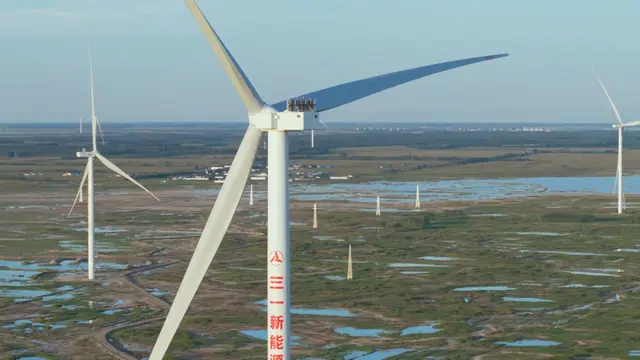
Last month, Sany, one of the largest Chinese equipment manufacturers, announced the operation of the largest wind turbine in the world, which reached its rated capacity of 15 MW. The turbine was installed in Tongyu, Jilin Province, China, and on November 16, it achieved this important milestone.
This new technology promises not only to transform the wind industry but also to contribute to global efforts in reducing carbon emissions and transitioning to a cleaner energy matrix.
Impressive Power of the Largest Wind Turbine in the World
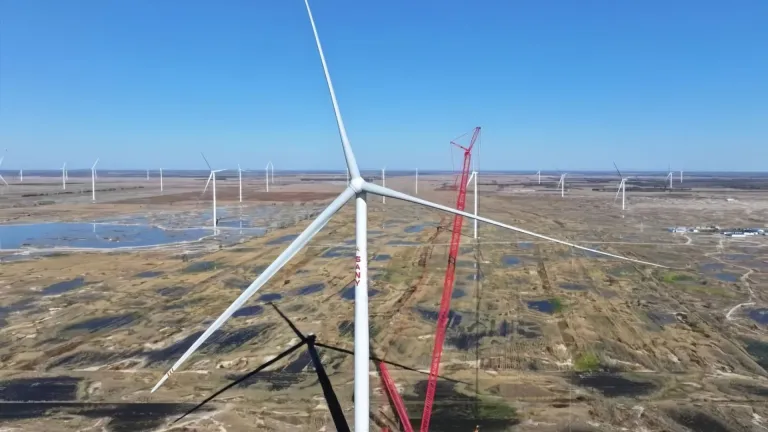
The Sany SI-270150 turbine has a significant impact on the renewable energy sector. In a single rotation, it can sweep an area equivalent to a football field, specifically 57,256 square meters, demonstrating the size and capability of this technology.
-
Brazil filled the Northeast with wind turbines but now faces the side effect of 705 giant blades reaching the end of their lifespan by 2032 just in Rio Grande do Norte, while the world projects 43 million tons of waste by 2050.

-
Brazil has filled the Northeast with wind turbines, but now it faces the side effect of 705 giant blades reaching the end of their useful life by 2032 just in Rio Grande do Norte, while the world projects 43 million tons of waste by 2050.
-
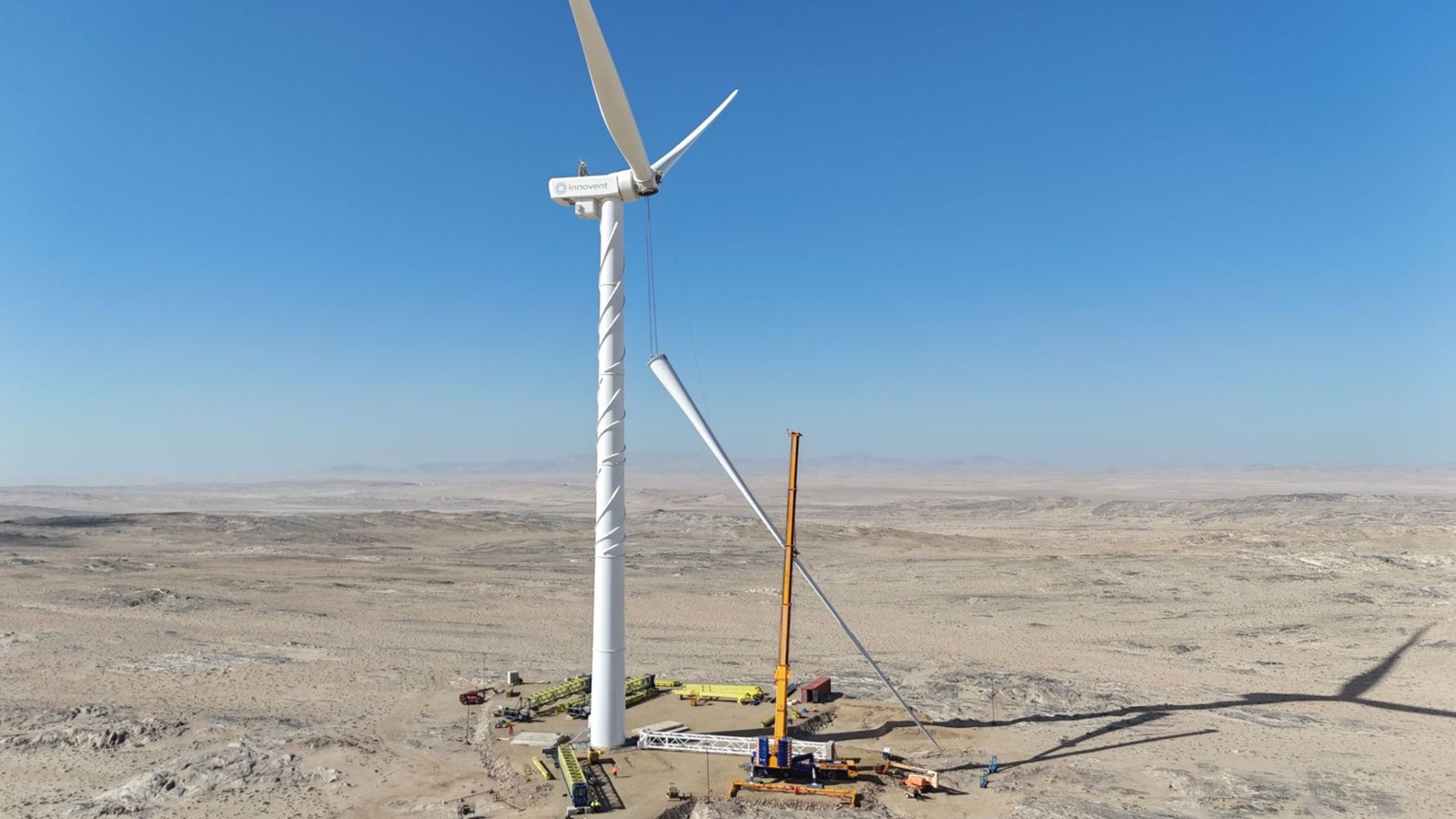
Wind farm in Namibia will have wind turbines assembled without giant cranes and is expected to avoid 200,000 tons of carbon dioxide per year when it becomes operational.

-
Taller than the Statue of Liberty, thousands of wind turbines are being planted in the middle of U.S. fields, creating two-story farms where corn and soybeans grow below while the wind turns into electricity above.


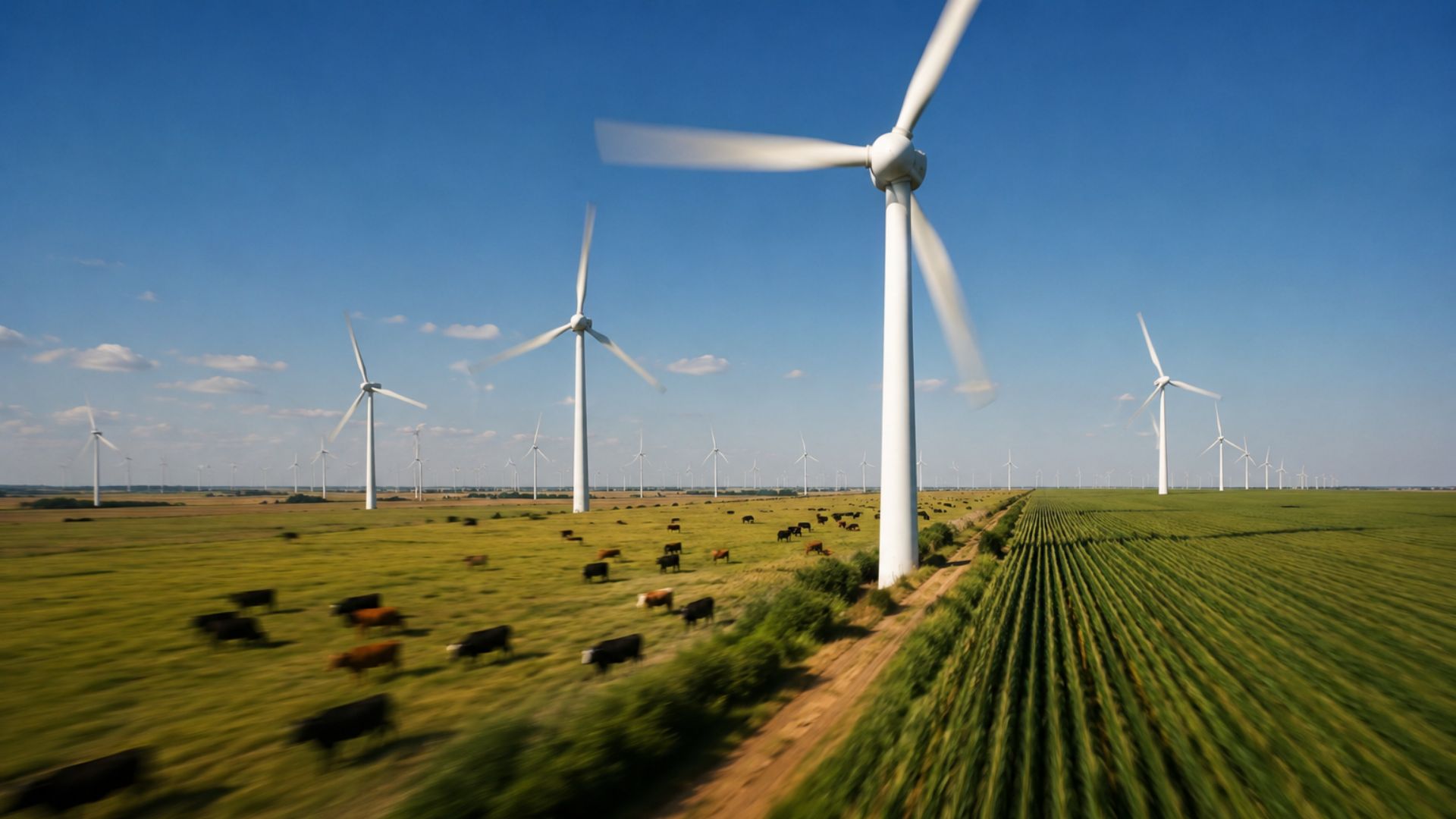
According to the company, each unit of the largest wind turbine in the world can generate up to 56 million kWh per year, enough to supply 160,000 homes.
These numbers are impressive, especially when compared to traditional turbines used in onshore wind farms, which have capacities of about 8 MW.
Sany’s high-power design can nearly double energy production, which represents a significant advantage for countries that lack large coastlines but have vast land available for the installation of wind farms.
Efficiency and Innovation in Design
In addition to its energy generation capacity, the turbine also stands out for its innovative and efficient design. With a lightweight system, it minimizes overall load, making it easier to transport its gigantic blades over long distances.
The turbine’s powertrain, which includes a main support shaft system with double-row tapered roller bearings (TRB), was designed to provide high load capacity and greater stability, allowing the turbine to operate under variable and challenging conditions.
This innovative design is also important because it facilitates the installation and maintenance of the turbine in remote locations where transportation and access can be a challenge.
Towards the Future: Rigorous Testing and Validations
Although the turbine quickly reached its rated power, Sany does not intend to stop there.
In the coming months, a turbine will undergo rigorous performance testing, including nearly 2,000 tests to evaluate its reliability and the efficiency of its components under real operating conditions.
Additionally, another prototype will be sent for simultaneous testing at Sany’s 35 MW testing facility, which is considered the largest in the world in this segment. Over 18 months, a turbine will undergo accelerated aging tests, with the aim of validating its operation over 30 years.
These tests help ensure that the turbine is ready for sustainable and efficient energy production in the long term, facing all adverse conditions that may arise during its operation.
China’s Leadership in the Wind Revolution
Sany and other Chinese companies are demonstrating that China is no longer just a manufacturing hub for equipment but is also becoming a global leader in technological innovation, especially in the renewable energy sector.
By contributing to the development of higher-capacity wind turbines, the country is not only helping to reduce its own carbon footprint but also contributing to global efforts towards a low-carbon economy.
With the success of the largest 15 MW wind turbine in the world, China is positioning itself as a technological powerhouse that can, in the future, shape the world we all aspire to live in – a greener, more sustainable world that is less dependent on renewable energy sources.
The path to a clean energy matrix is long, and these innovations offer renewed hope and a model of how we can achieve an effective transition to renewable energy sources.