Portuguese
  Spanish


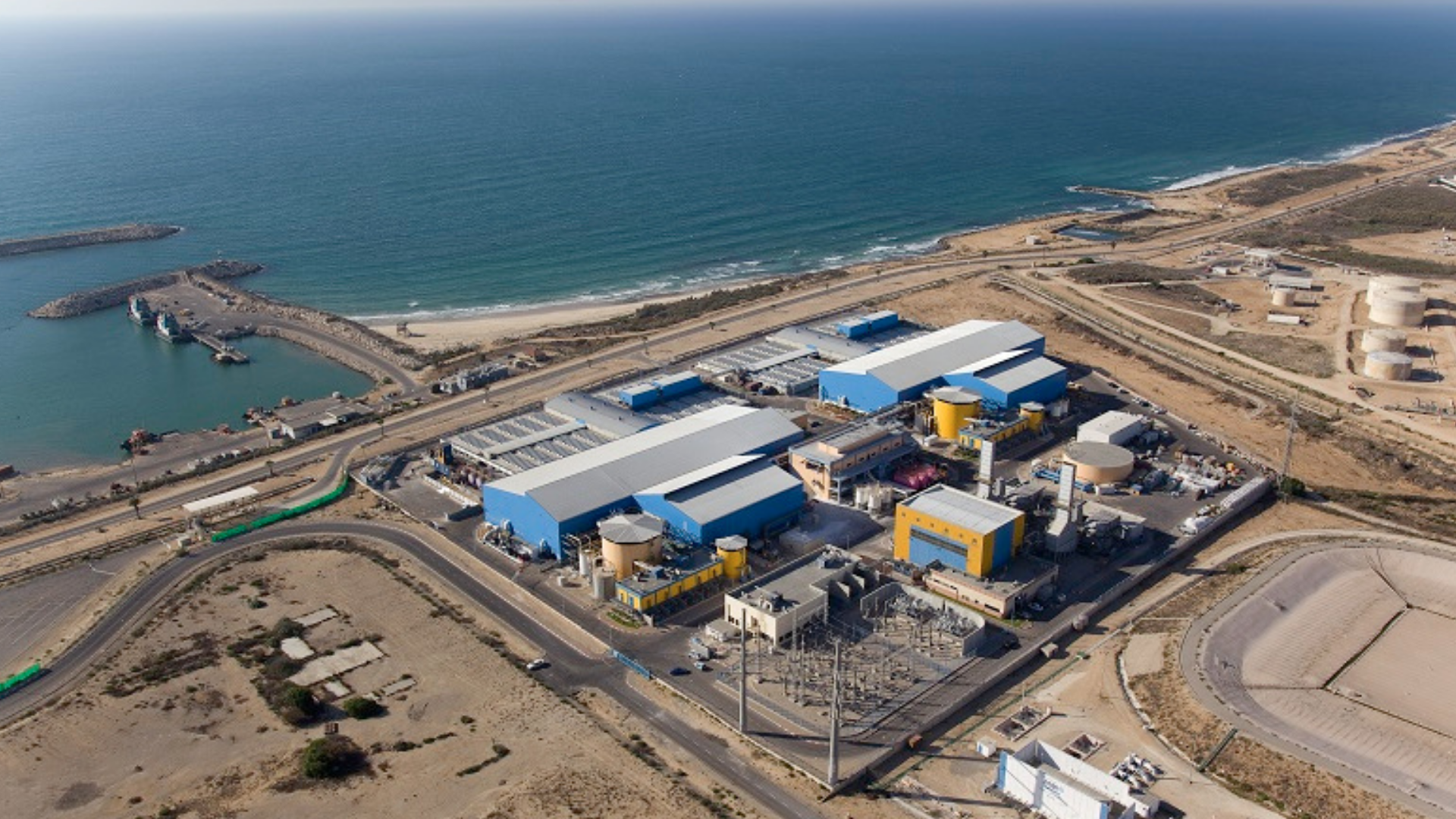

The Desalination Plant Will Be a Partnership Between the State Government and Ceagece – Water and Sewage Company of Ceará
On Tuesday, July 20, the government of the state of Ceará signed a contract with Ceagece (Water and Sewage Company of Ceará) for the implementation of the largest seawater desalination plant in Brazil. The study and licensing phase of the plant will take 18 months, and then physical construction can begin, expected to last two years. Check out another news story: New Votorantim Cimentos Factory Starts Operations at the Pecém Complex in Ceará. The Project Will Generate New Jobs
- Offshore Maintenance Shutdowns on Various Platforms Under Petrobras Contract Demand Job Openings at Estrutural Serviços Industriais in Macaé: Welders, Scaffolders, Painters, and More
- Tesla Is About to Compete in the Market of Flying Electric Cars with Embraer
- Centec Opens 780 Vacancies in Free Online and EAD Courses for Residents of Ceará in Programming, Electricity, Financial Education, and More
- 500 Job Openings for In-Person and Remote Work Requiring High School, Technical, and Higher Education for Jobs in São Paulo, Curitiba, Bahia, and Rio de Janeiro, Opened by the Largest Insurance Company in Brazil on July 20
- Against the Grain of Fiat and Volkswagen, Which Have Halted Vehicle Production, Revised Labor Contracts, and Granted Collective Leave to Employees, Multinational Hyundai Resumes Activities at SP Plant
Details About the Desalination Plant That Will Be Built in the State of Ceará
The desalination plant, when fully operational in 2025, at Praia do Futuro, will diversify the water supply matrix of the state of Ceará for the supply of Fortaleza and the Metropolitan Region (RMF).
The seawater desalination system is an important alternative for supplementary water supply for human consumption, as it does not depend on climatic variations or the regularity of rainfall. Furthermore, the desalination technologies that will be used in the plant are autonomous and capable of producing water of superior quality to the potability standards set by Brazilian legislation.
-
It’s official: Petrobras takes 75% of block 3 in São Tomé and Príncipe and debuts as an offshore operator outside South America.

-
US$ 1.5 billion dam project on the Rio Indio promises water for the Panama Canal for 50 years, but it could flood rural areas and displace 2,000 residents from 38 farming communities.

-
At 14 years old, she worked in a factory in Hong Kong, studied economics abroad, and then entered the Chinese real estate market, which helped change the landscape of Beijing.

-
While NATO secured more than $10 billion in missiles and space surveillance at a single forum, Brazil still spends 1.1% of its GDP on defense and is stalling its own anti-aircraft system.



The project for the plant in Ceará has an estimated cost of 500 million reais. It will be the largest public-private partnership ever established in the state. The aim is to diversify the sources of potable water for the capital and metropolitan region.
Contract Signing and Project Discussion
The 30-year contract, which involves the construction and operation of the new plant, will be signed on Tuesday (07/20) between Ceagece and Águas de Fortaleza, a consortium formed by Marquise Infraestrutura, Abengoa Água, and PB Construções. In total, it is expected that 700,000 people will be supplied with water produced when the project is fully operational.
The plant transforms seawater into fresh water. Currently, the main capitals in the country are facing the risk of a water crisis in the medium term. Israel is one of the countries that use seawater desalination technology.
Check Also: Ceará Will Receive Investments of R$ 90 Billion and Can Generate Over 5 Thousand Jobs with Green Hydrogen Plant Projects
The government of the State of Ceará has already signed a memorandum of understanding with companies to invest in green hydrogen production plants, which may result in investments of R$ 91.25 billion. It is expected that these plants alone will generate 5,000 jobs in the initial phases, not counting secondary or parallel operations.
As an example, the state of Ceará will receive US$ 5.4 billion in investments from Australian multinational Enegix Energy. The green hydrogen project will be built in cooperation with the government of the state of Ceará, which will construct the largest green hydrogen plant in the world and create thousands of jobs in the region.
Qair Brasil also announced at the end of June that it will build a new green hydrogen plant in the state of Ceará. The company, part of the French group Qair, says that the construction of the project is scheduled to take place in four phases, between 2023 and 2030. The green hydrogen venture may receive investments of nearly R$ 4 billion.