Portuguese
  Spanish


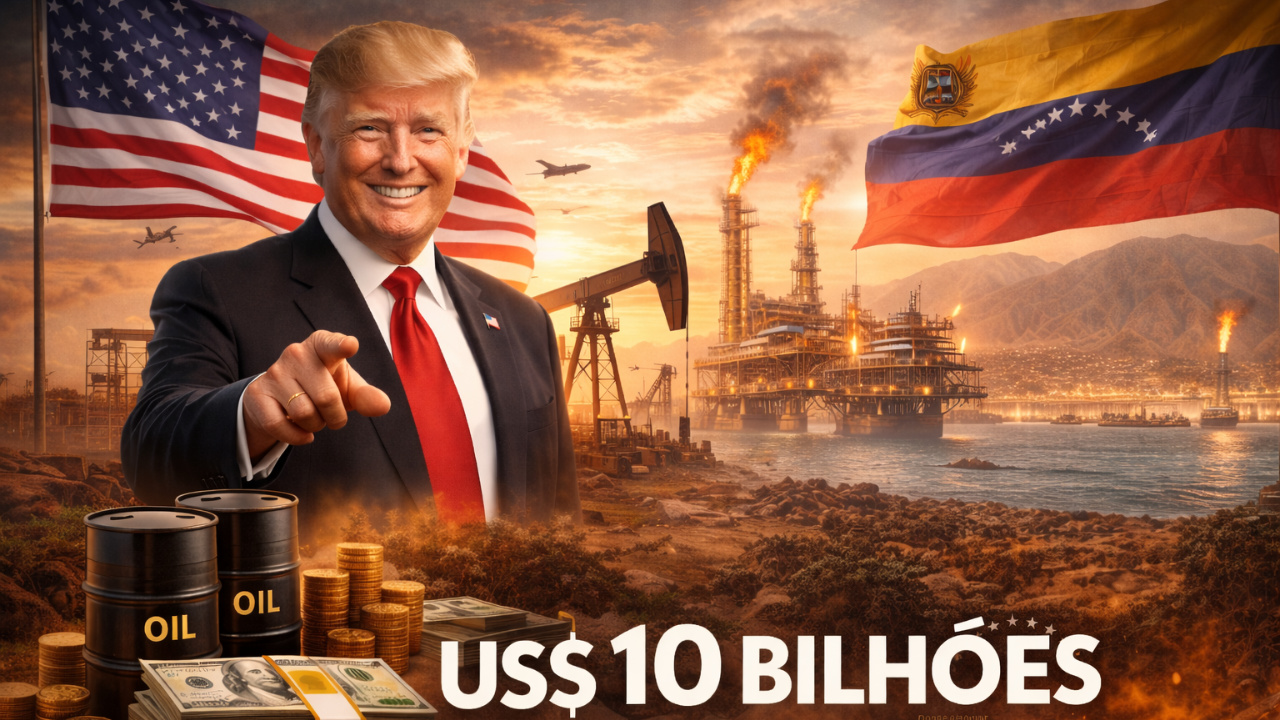

The United States Government Predicts That Sales of Venezuelan Oil Could Generate Over US$ 10 Billion Per Year, In an Agreement Aimed at Rebuilding Venezuela and Boosting American Refineries.
The United States estimates that Venezuelan oil sales managed by Washington could exceed US$ 10 billion per year.
The projection was made by Energy Secretary Chris Wright in a recent interview with Fox News.
According to him, these resources would be a key to helping with the economic and social reconstruction of the South American country after recent political changes.
-
Petrobras Explores Entry into Corn Ethanol Market, Aiming to Become a Biofuel Giant

-
Brazil’s $8.5 Billion Auction Secures New Power Plants to Prevent Peak Hour Energy Shortages
-
Why Gasoline Prices Remain Stable: How Petrobras’ Subsidies and Pricing Policies Control Fuel Costs in Brazil
-
SpaceX Plans 13 km Pipeline to Reduce Truck Reliance and Speed Up Starship Rocket Launches in the U.S.


The news has shaken markets and political debates, raising questions about sovereignty, U.S. influence in the region, and the role of oil as a geopolitical asset.
How the Numbers Were Achieved
Wright explained that, so far, around US$ 1 billion in sales have already been accounted for. In addition, new agreements total another US$ 5 billion in transactions expected over the coming months.
Together, these figures project an annual flow that could exceed US$ 10 billion in revenues for Venezuela under American management.
This calculation shows that oil remains a strategic and valuable resource—even after years of production decline and deteriorating infrastructure in the country.
Meeting in Caracas and Energy Pact Described as “Historic”
The Energy Secretary met last week in Caracas with Venezuela’s interim president, Delcy Rodríguez, to consolidate what was described as a “historic” energy agreement.
This cooperation includes the commercialization of oil under American government control and the forecast that revenues would help to “begin rebuilding a country and a society,” according to Wright.
Wright reaffirmed to Fox News that, despite commercial control of the oil being under the U.S., there is no direct military presence or use of American taxpayer resources to fund the process.
Oil As An Economic and Political Tool
The American strategy also has a broader political and economic backdrop. The Secretary stated that, in addition to driving local reconstruction, the pact ensures American refineries access to a specific type of oil that they were built to process, directly benefiting the U.S. industrial sector.
Furthermore, Wright mentioned that part of the revenue could lower the cost of asphalt production in the United States, impacting the road construction sector.

The administration of Delcy Rodríguez, which now governs Venezuela after the capture of Nicolás Maduro, received the American Secretary’s visit as a symbol of bilateral cooperation.
Rodríguez reportedly accepted the role of interlocutor with Washington during the transition phase.
This move, however, raises criticisms from opponents and analysts who warn about the loss of control over one of the country’s largest natural assets—oil—and the social impacts of this economic dependency.