Portuguese
  Spanish


With The Increase In The Tax On Solar Panels By More Than 160%, The Renewable Energy Sector In Brazil Enters Into Alert.
Solar energy, a symbol of sustainability and the promise of a green energy matrix, faces an unexpected obstacle.
At a time when the energy transition gains strength worldwide, Brazil decides to significantly increase the import tax on solar panels.
This decision by Gecex-Camex, the executive body of the Foreign Trade Chamber, may impact not only the clean energy market but also threaten investments, jobs, and the sector’s competitiveness.
-
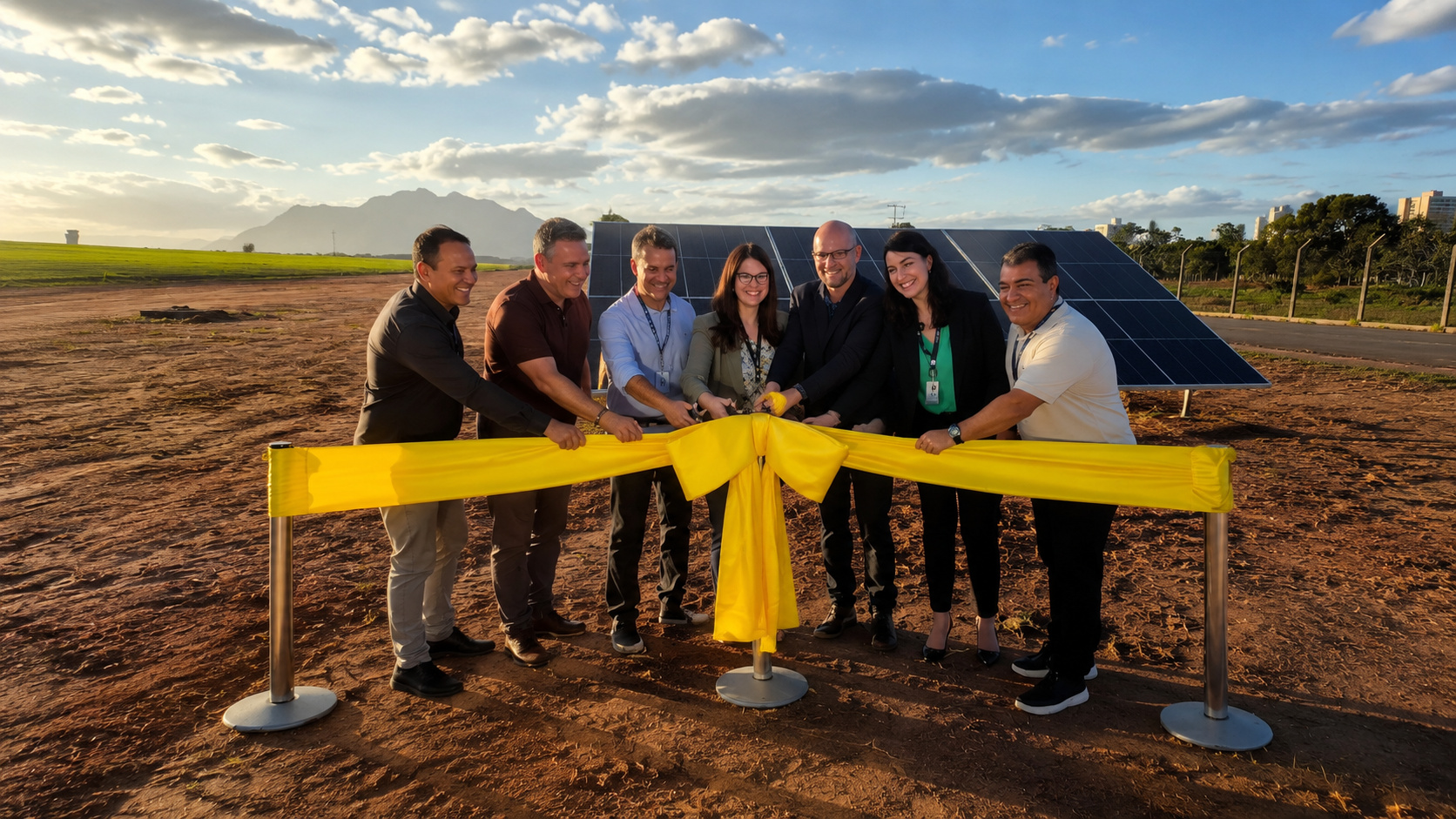
Brazil’s Vitória Airport to Launch Solar Plant Covering Area of 10 Soccer Fields, Boosting Clean Energy and Cutting Costs

-
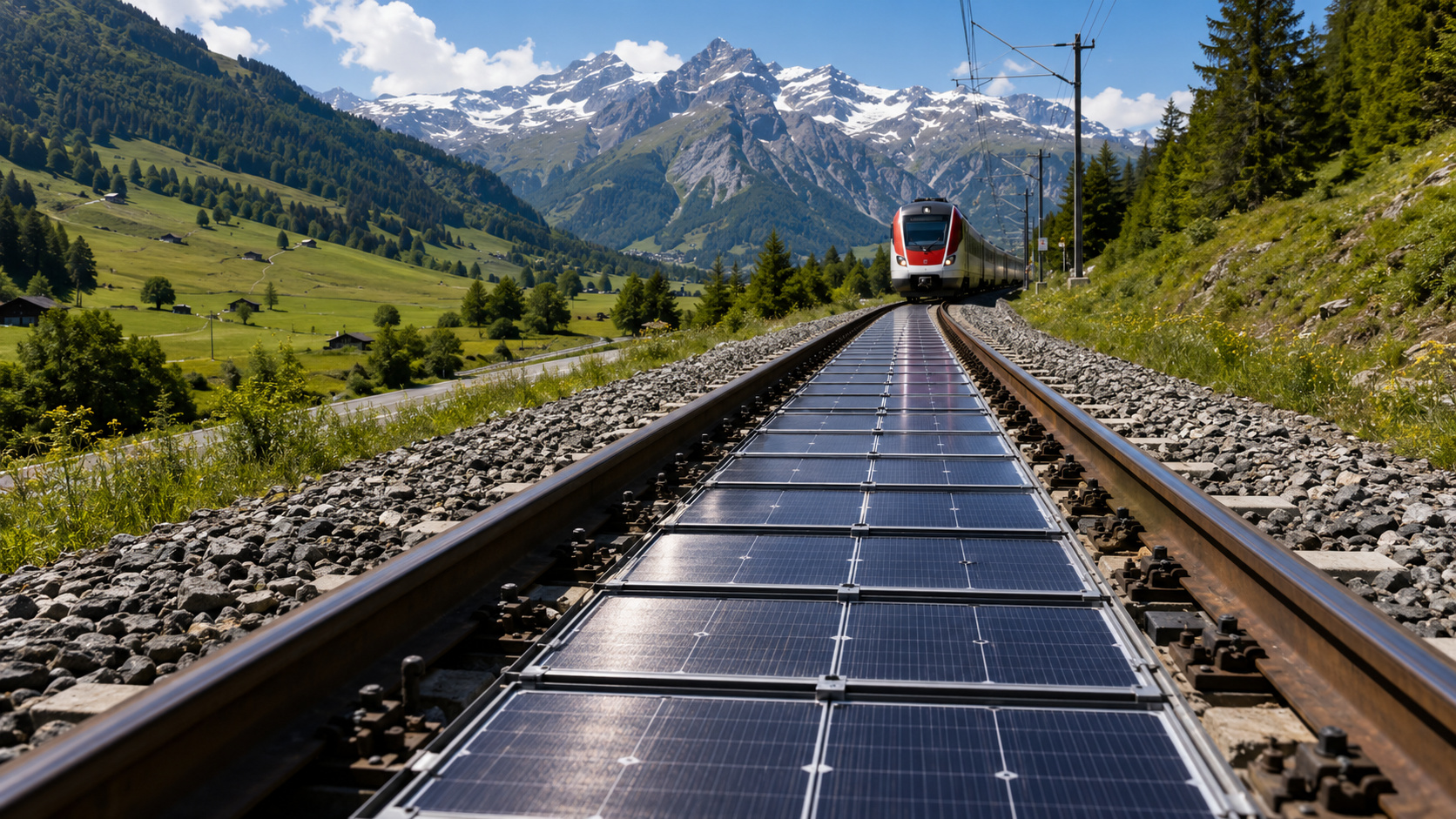
Switzerland Converts Train Tracks into Solar Power Plants with Removable Panels to Generate Energy Without Using Additional Land
-
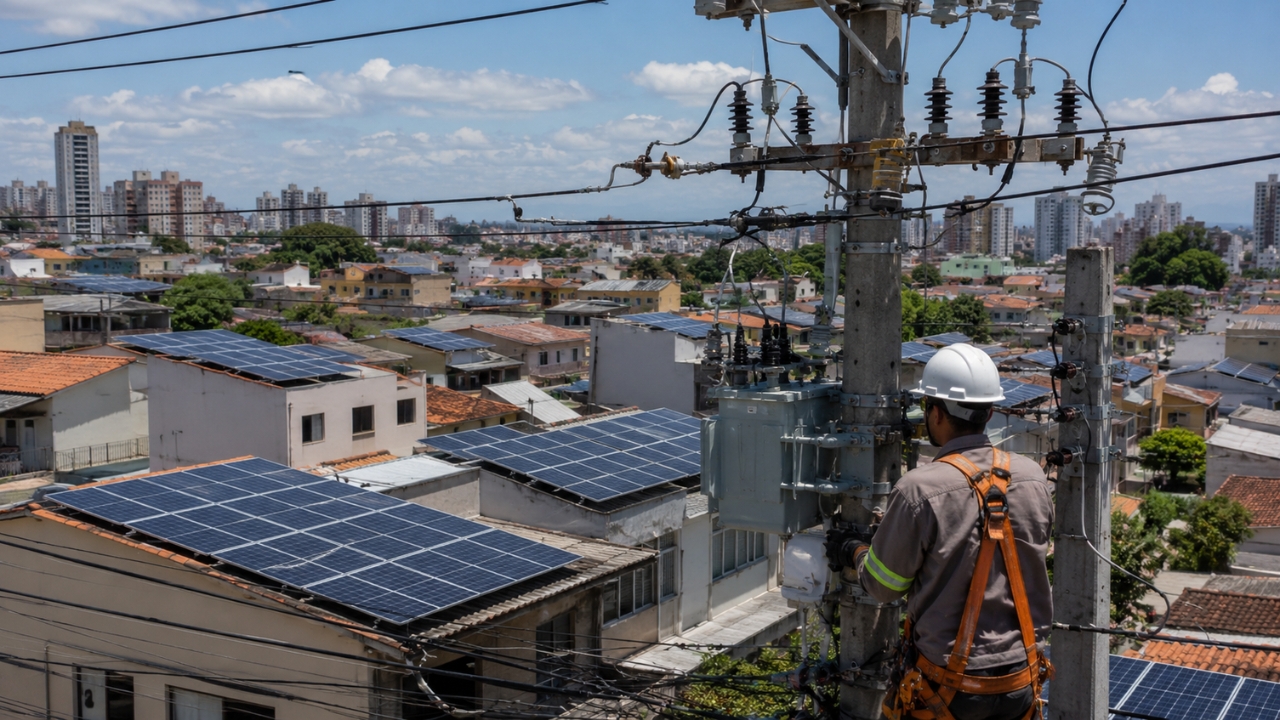
Surge in Solar-Powered Homes in Brazil Leads to Grid Strain and Connection Restrictions in Three States

-
California Project Aims to Store Heat Underground in Former Oil Reservoir to Generate 100 kW of Electricity for Over 12 Hours

Increase Of More Than 160% In Taxes For Solar Panels
The Executive Management Committee (Gecex) decided this Monday, November 11, to raise the import tariff for photovoltaic modules from 9.6% to 25%, representing an increase of 160.4%.
According to the Ministry of Development, Industry, Commerce and Services, the measure arises from two requests from domestic manufacturers who sought the adjustment of the rate. As a result, the tariff will come into effect after publication in the Official Federal Gazette (DOU).
The decision made at the 220th Ordinary Meeting of Gecex raises concerns among entrepreneurs and industry entities.
The Brazilian Association of Photovoltaic Solar Energy (ABSOLAR), for example, strongly criticized the measure.
According to the association, the tax increase may raise solar energy costs, provoke capital flight, increase inflation, and even lead to business closures.
In a statement, ABSOLAR pointed out that the action threatens the competitiveness of the solar sector, potentially leading to project cancellations and compromising future investments.
For the National Institute of Clean Energy (INEL), the new tariff exacerbates challenges already faced by the sector, which include limitations on distributed generation (GD) and generation cuts in large projects (GC).
“The solar sector is already dealing with a series of restrictions, and the increase in costs will penalize the entire supply chain, both for imported modules and for domestic ones,” said Wladimir Janousek, INEL’s Secretary of Industry and Commerce.
Environmental Impact And Contradiction In International Events
The decision comes amid global events focused on sustainability, such as COP29, which discusses emission reductions and global sustainability measures.
While Brazil chairs the G20 and hosts the Leaders’ Summit in November 2024, the increase in the tax on solar energy places the country in a contradictory position on the international stage.
Brazil, which stands out for adopting renewable energies, now faces criticism for appearing to hinder the advancement of the solar sector at a crucial moment for combating climate change.
Practical Consequences And Resistance From Companies
Companies in the sector that until now used photovoltaic modules as a basis for distributed and centralized generation may face barriers to maintaining the economic viability of their projects.
According to João Paulo Muntada Cavinatto, a lawyer at Lefosse, the Gecex deliberation has no practical effect until the official publication of the decision in the DOU.
However, companies may seek an exemption from the tax or take advantage of the import quota established at US$ 1.01 billion until June 2025, according to Gecex Resolution No. 541 of 2023.
Insufficient National Production And Market Uncertainty
According to ABSOLAR, the national industry is incapable of meeting the domestic demand for solar panels, with an annual production capacity of only 1 GW, while the country imported more than 17 GW in 2023.
According to the association, the measure threatens more than 281 projects with a total capacity of 25 GW and investments of R$ 97 billion by 2026.
These projects could generate more than 750,000 jobs and prevent 39.1 million tons of CO₂ emissions.
ABSOLAR warns that the lack of alignment between government discourse and practice can discourage investments and make the solar energy market less attractive, jeopardizing job generation and the advancement of clean energy.
“Without demand, there is no market for imported modules or for domestic modules,” Janousek emphasized, noting that high costs add to other limitations currently affecting the sector.
Contradictions And Expectations For The Solar Energy Sector
At the same time that Brazil positions itself as a leader in global sustainability forums, this tax policy casts doubt on the country’s commitment to a robust and accessible energy transition.
The inconsistency between internal actions and international goals generates uncertainties and pressures the government to seek alternatives to prevent the tax increase from affecting sector growth.
Do You Agree With The Increase In The Tax On Solar Panels, Even Knowing That This May Raise The Cost Of Clean Energy And Compromise Investments In Sustainability In Brazil?