






 Portuguese
  Spanish


FS bets on planting trees on a cellulose giant scale just to convert into biomass and supply its corn ethanol plants
The idea of an energy forest planted by an alcohol plant sounds strange, but that’s exactly what FS is building in Mato Grosso. The company, one of the largest ethanol producers in Brazil, has set up almost 100,000 hectares of eucalyptus and bamboo with a single goal: to burn this wood as biomass to generate the energy that powers its factories.
It’s not for selling cellulose or sawn wood. It’s green fuel planted in the ground. A fuel producer decided to plant its own energy source, becoming, in turn, the largest planted forest operator in the state.
From alcohol plant to energy forest giant
What makes the story surprising is the crossing of two worlds that rarely meet. On one side, corn ethanol production, linked to the grain agribusiness. On the other, large-scale forestry, typically the domain of paper and cellulose giants.
-
In 1980, three brothers in a Chinese village collected discarded buttons, sparking the transformation of the area into the world’s button capital, producing billions annually for global fashion.

-
Man Tests Powerful Laser Robot Capable of Damaging Phones, Cutting Through Glass, Melting Sand, and Fusing Volcanic Rocks, Highlighting the Need for Strict Regulation

-
In 1959, an English engineer revolutionized glassmaking with the float glass process, now the standard for windows, mirrors, and screens worldwide.
-
London Building Features 25 Apartments, Including 8 Social Housing Units, with Shared Spaces in a Model Combining Architecture, Community Management, and Aging Planning


FS combined the two. By planting a forest to supply itself with energy, it ceased to be just a fuel industry and started operating as a national-scale forestry company. It’s a radical verticalization move: instead of buying energy, the company cultivates it.
According to The AgriBiz, the company consolidates its position as the largest planted forest operator in Mato Grosso, responsible for about half of the state’s total area in this type of cultivation. A number that puts it in another league.
Almost 100,000 hectares just to burn
The scale is what’s impressive. The goal is to reach 100,000 hectares of planted forests by the end of 2026, and the company has already surpassed 90,000 hectares. It’s an area equivalent to that of large traditional forestry projects in the country.
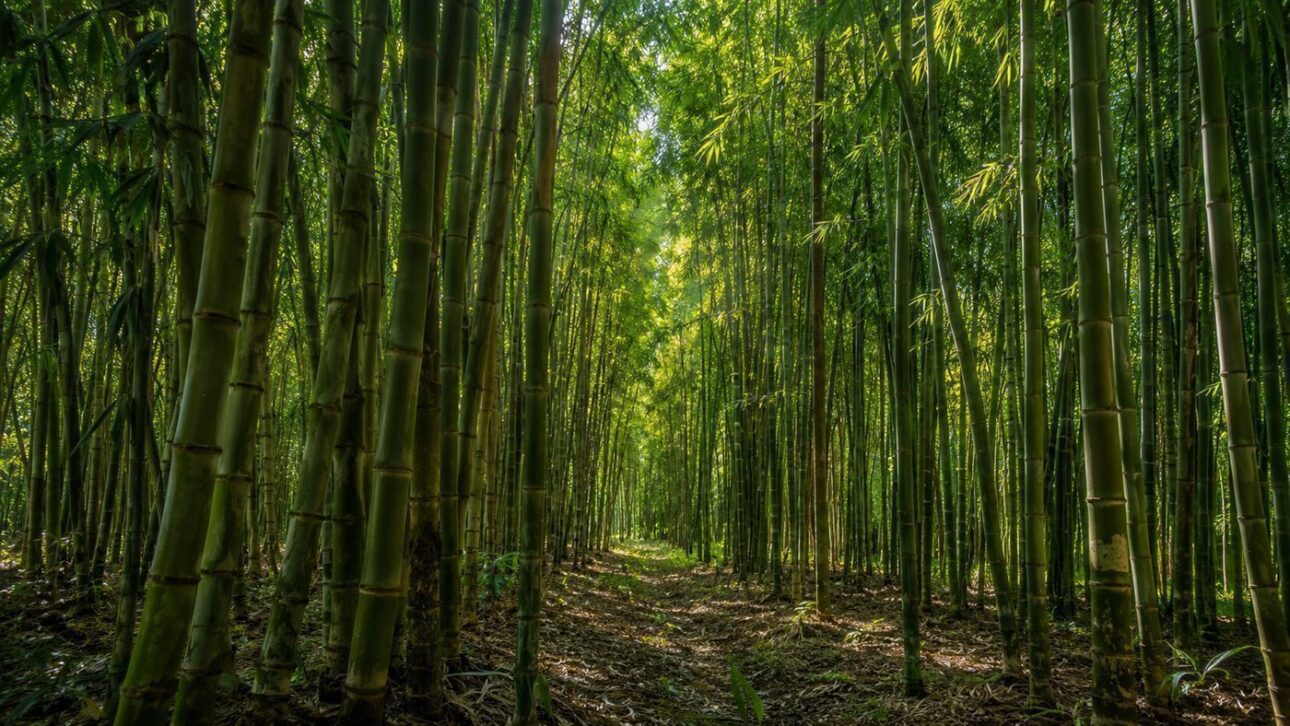
To give perspective, this planting represents about a quarter of the forest area of a giant like Klabin, a national reference in planted forests. Doing this not to produce paper, but to generate its own energy, is what gives the unprecedented tone of the bet. It is an industrial forest, planted with precision and an energy purpose.
Each hectare was designed as a stock of renewable fuel. Instead of oil tanks, FS accumulates standing trees, ready to turn into heat and energy in its plants.
Half of the planted forest of an entire state
Being responsible for about half of all the planted forest in Mato Grosso is no small detail. It means that a single company, for a specific reason, has redrawn the forestry map of one of Brazil’s largest agricultural states.
Mato Grosso is known for soy, corn, and cattle, not for planted forests. FS’s entry into this game creates a new vocation for the state and shows how the demand for renewable energy can transform land use. Where there were only grains, there is now also a forest with an energy destination.
This leadership gives the company control over a strategic input. Whoever has the forest has the energy, and whoever has their own energy has predictable costs and less exposure to imported fuels.
Why an ethanol plant needs a forest
The explanation lies in the industrial process. Producing corn ethanol consumes a lot of thermal energy, in the form of heat and steam for the fermentation and distillation stages. Traditionally, this heat comes from fossil fuels, such as coal and fuel oil, burned in boilers.
FS changed this logic. By using eucalyptus and bamboo biomass as boiler fuel, the company replaces the fossil with a locally planted renewable and low-emission source. The forest becomes the green coke that heats the plant.
The gain is twofold: it reduces the carbon footprint of the ethanol produced and shields the company against the price volatility of fossil fuels. It’s sustainability that also makes financial sense.
Eucalyptus and bamboo: the biomass duo
The choice of species reveals strategy. Most of the planting is eucalyptus, a champion of biomass productivity in Brazil. But the company also invests in about 13,000 hectares of bamboo, which has a much shorter cycle.
While eucalyptus takes around six years until cutting, bamboo can be harvested in about three years. Mixing the two species is like diversifying the terms of a portfolio: it ensures a constant flow of biomass and reduces the risk of fuel shortage in any given year.
This agricultural engineering shows that the energy forest is not improvised, but a calculated system to feed the plants continuously and predictably throughout the harvests.
R$ 2 billion planted in the ground
Setting up a forest of this size is expensive. The estimated investment is around R$ 20,000 per hectare, which brings the total to about R$ 2 billion for the planned 100,000 hectares. It is long-term capital, literally immobilized in the land.
To finance this venture, the company turned to the market, issuing more than R$ 1.5 billion in CRAs, the agribusiness receivables certificates. Transforming forest into a financial asset is what makes it feasible to plant energy on an industrial scale.
This volume of resources shows that biomass has ceased to be a cheap byproduct and has become a central strategic investment, treated with the same weight as a new factory.
Why this matters for Brazil
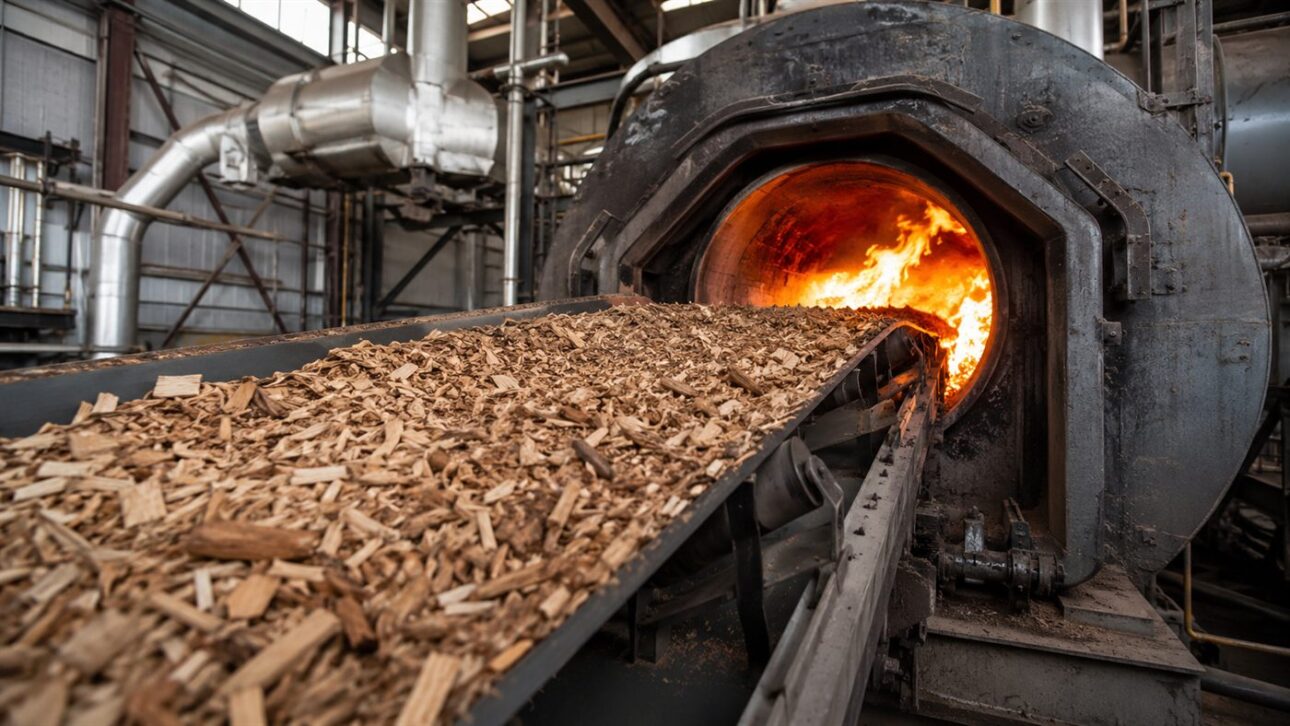
The case of FS illuminates a path to decarbonize the Brazilian heavy industry. Many sectors that need intense heat still rely on fossil fuels, and planted forest biomass is one of the most viable renewable alternatives to replace it.
Brazil has the climate, land, and knowledge to produce biomass in abundance, which gives the country a natural advantage in this race. Planting energy is something few countries can do on the scale that Brazil can. It is the strength of agribusiness applied to the energy transition.
If the model succeeds and spreads, the energy forest could become a key component in making Brazilian ethanol and other industrial products even cleaner and more competitive in the global market.
The challenges: land, water, and monoculture
Not everything is simple. Planting a forest on a giant scale raises questions about land use, competition with other crops, water consumption, and the effects of eucalyptus monoculture on the soil and local biodiversity.
Doing this sustainably requires careful management, correct choice of areas, respect for water sources, and integration with the landscape. Renewable energy is not automatically synonymous with zero impact, and the energy forest needs to prove it closes the environmental account from end to end.
Even so, the turnaround is powerful and counterintuitive: a fuel producer became the owner of half of the planted forest in a state just to burn wood instead of fossil fuel. If planting its own energy is already a reality for an ethanol plant, how many other industries could swap the oil tank for a grove?




