Portuguese
  Spanish


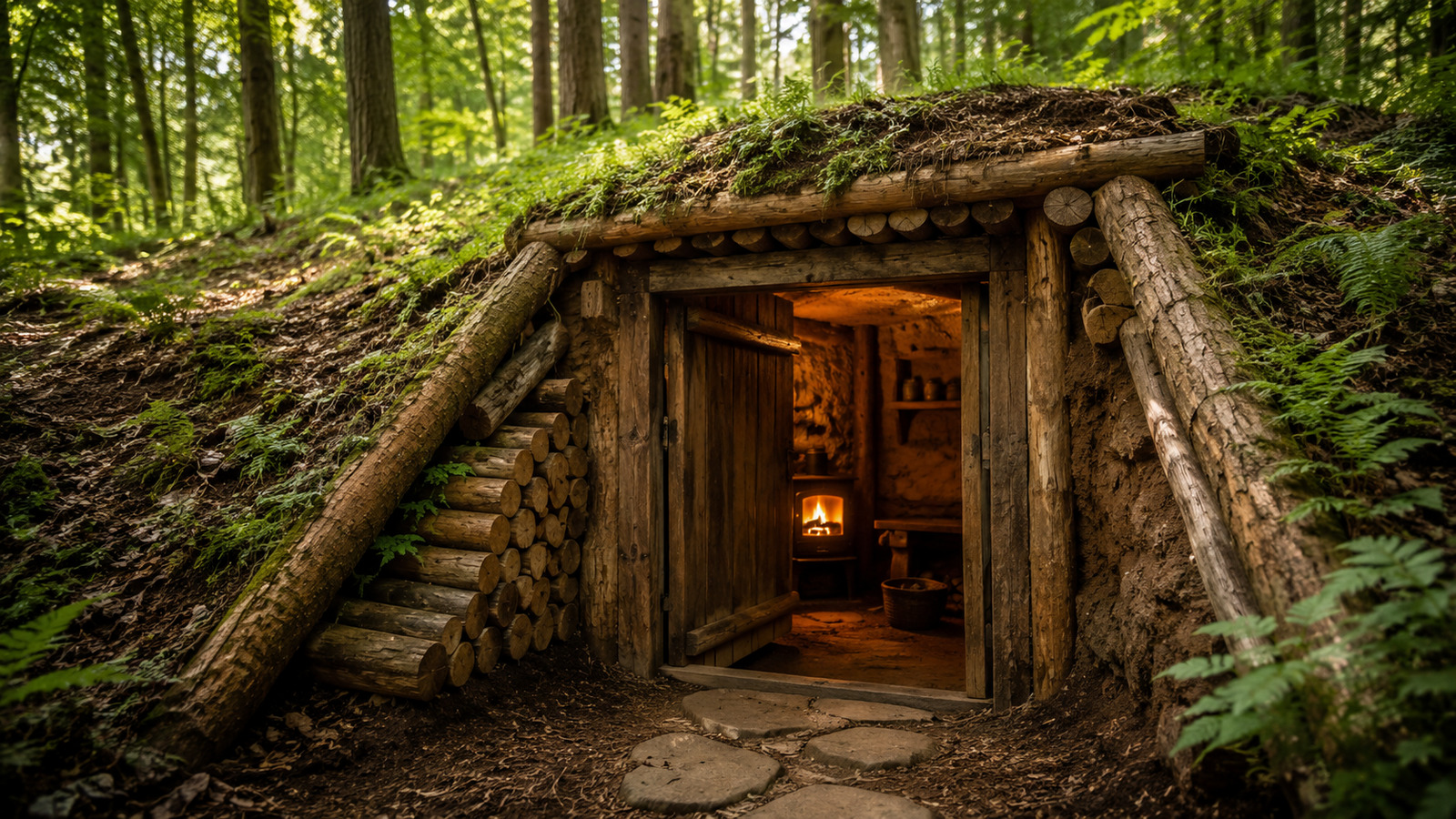

Underground construction combines manual excavation, wooden structure, natural sealing, wood heating, and careful ventilation to create a discreet, protected, and functional shelter away from modern infrastructure.
The heated underground bunker in the forest brings together earth, wood, and wood fire in a below-ground cabin, created for protection, autonomy, and survival tests away from modern infrastructure.


Underground Shelter
Interest in simple underground shelters is growing in various parts of the world. These constructions use earth, wood, and natural elements to test limits, seek autonomy, and experience an essential life.
The proposal involves protection against severe weather, animals, and external threats. In remote areas, the shelter serves as a practical alternative to remain in nature without relying on modern structures.
-
Former Atacadão Employee Turns Online Cake-Baking Lessons into a Confectionery Brand with Factory, Store, Delivery, and Nearly $400,000 in Revenue

-
Brazilian Startup Sells Nearly 9 Million Surprise Bags of Near-Expiry Food, Prevents Thousands of Tons of Waste, Aiming for $42 Million Revenue by 2026
-
How to Prevent Brown Recluse Spider Bites: Common Hiding Spots and Free Tips to Reduce Risks

-
Natto: The Unusual Japanese Superfood Gaining Popularity on Social Media and Driving Record Exports




The heated underground bunker is usually a small cabin below ground level, with structural reinforcement and internal heating, generally based on wood fire.
Unlike an urban basement, it is designed to operate autonomously, using raw materials from the environment itself, without relying on concrete or heavy machinery.
Earth as Natural Protection
The earth acts as a protective shell around the shelter. This cover helps maintain thermal stability, reducing temperature variations inside the underground cabin.
The underground bunker is also usually discreet and camouflaged by vegetation. Integration with the landscape reinforces protection and brings the project closer to minimalist life in the forest.
Stages of Bunker Construction
The first step is to choose a spot with firm soil, away from unstable slopes, deep roots, and flood-prone areas, which increase the risks of collapse and infiltration.
Then comes manual excavation, done with simple tools. During the process, it’s necessary to monitor cracks, moisture, and any signs of instability, avoiding unsafe expansion of the space.
The supporting structure receives wooden pillars and beams. These elements hold the roof and sides, distributing the weight of the earth and preventing pressure from compromising the construction.
The sealing can use plastics, clay, moss, or compacted leaves to reduce infiltration, preserve the interior, and prevent moisture from making the space uncomfortable.
Basic comfort and heating
Thermal insulation combines soil, wood, and dry vegetation to keep the internal temperature stable. Heating depends on a wood stove or fireplace, with smoke outlet ducts.
Even with a focus on survival, the search for basic comfort is growing. The goal is to allow stays without electricity, with rest, heating, and storage of essential items.
Important items include a wooden bed or elevated platform, portable lighting, and streamlined organization. These resources prevent direct contact with the damp ground and make the environment functional.
Water collection can occur from rain or nearby natural sources, with simple gutters and protected containers, maintaining basic supply during the stay.
Ventilation and safety in the bunker
Ventilation is one of the most important points in any heated underground bunker. Like in mines, spaces below ground can accumulate carbon dioxide, carbon monoxide, moisture, and ground gases.
Poor air circulation can cause dizziness, headaches, and a real risk of intoxication. Therefore, the chimney needs to work well, and the fire should not remain for too long in a closed environment.
Well-positioned air inlets and outlets create a continuous flow of natural ventilation. Vertical and horizontal ducts can take advantage of temperature and pressure differences to keep the air circulating.
It is also important to observe signs of condensation on the walls. Excess moisture affects comfort and shows that the shelter needs better internal ventilation.
The search for content about a heated underground bunker in the forest accompanies outdoor survival, consumption reduction, and temporary distancing from large urban centers.
With information from O Antagonista.