Portuguese
  Spanish


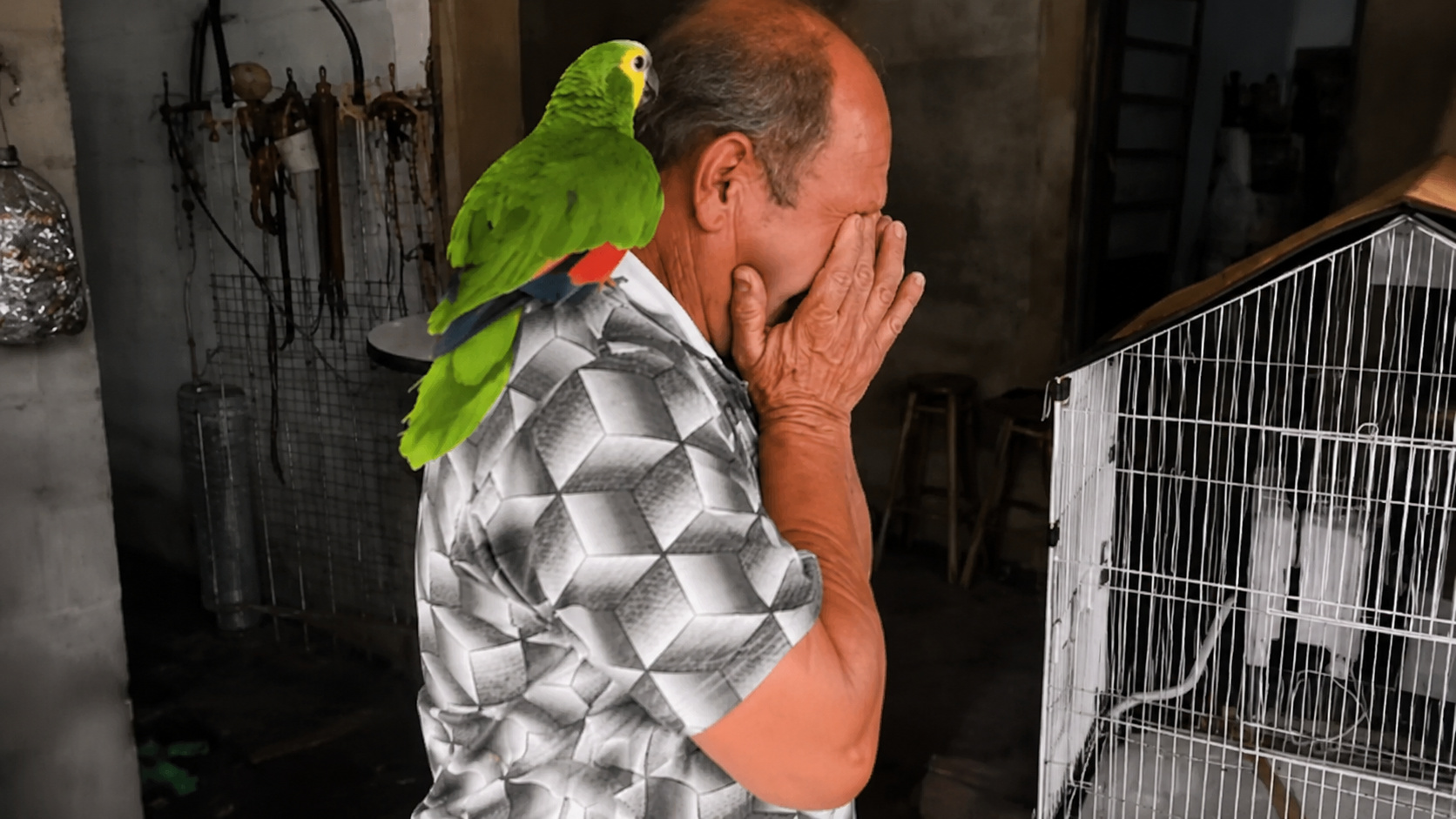


The return of the parrot Louro temporarily ended the separation that shook Adilson and mobilized a legal dispute in Louveira
A judicial decision with strong emotional impact returned the parrot Louro to the caretaker Adilson, in Louveira, in the interior of São Paulo. The bird had been taken by the Municipal Guard and sent to an NGO responsible for work aimed at returning animals to nature. The case gained repercussion after the animal was removed from its guardian. Subsequently, the reunion occurred after 33 days of separation. The return of the parrot marked an initial victory for Adilson, although the decision may still have new developments in court.
Removal of the parrot disrupted the caretaker’s routine
The removal of Louro profoundly changed Adilson’s daily life. The parrot lived in a space used as a parking lot and car wash, a place where the caretaker also lives and where everyone was already used to seeing him with the bird on his arm. The absence of the animal made the environment quieter and more difficult for the family, especially because the coexistence between the two had lasted 40 years. Adilson reported that he felt as if a piece of him had been ripped out when he saw the parrot being taken away in a cage.
Old relationship became the central point of the dispute
The story between Adilson and Louro began when the parrot appeared with a broken wing. According to the caretaker, he did not take the bird from nature, he just started taking care of it after the animal appeared injured. Over time, the parrot stayed in the area, roamed the region, and began to return to the same address. The family claims that Louro lived free, wandered near the area where there is native forest, and still chose to return home. This four-decade bond made the case more sensitive and became one of the main arguments in the attempt to regain custody of the bird.
-
New York removed the tracks from over 2,500 subway cars and dumped everything at the bottom of the Atlantic, and what seemed like trash turned into an artificial reef teeming with fish and divers.

-
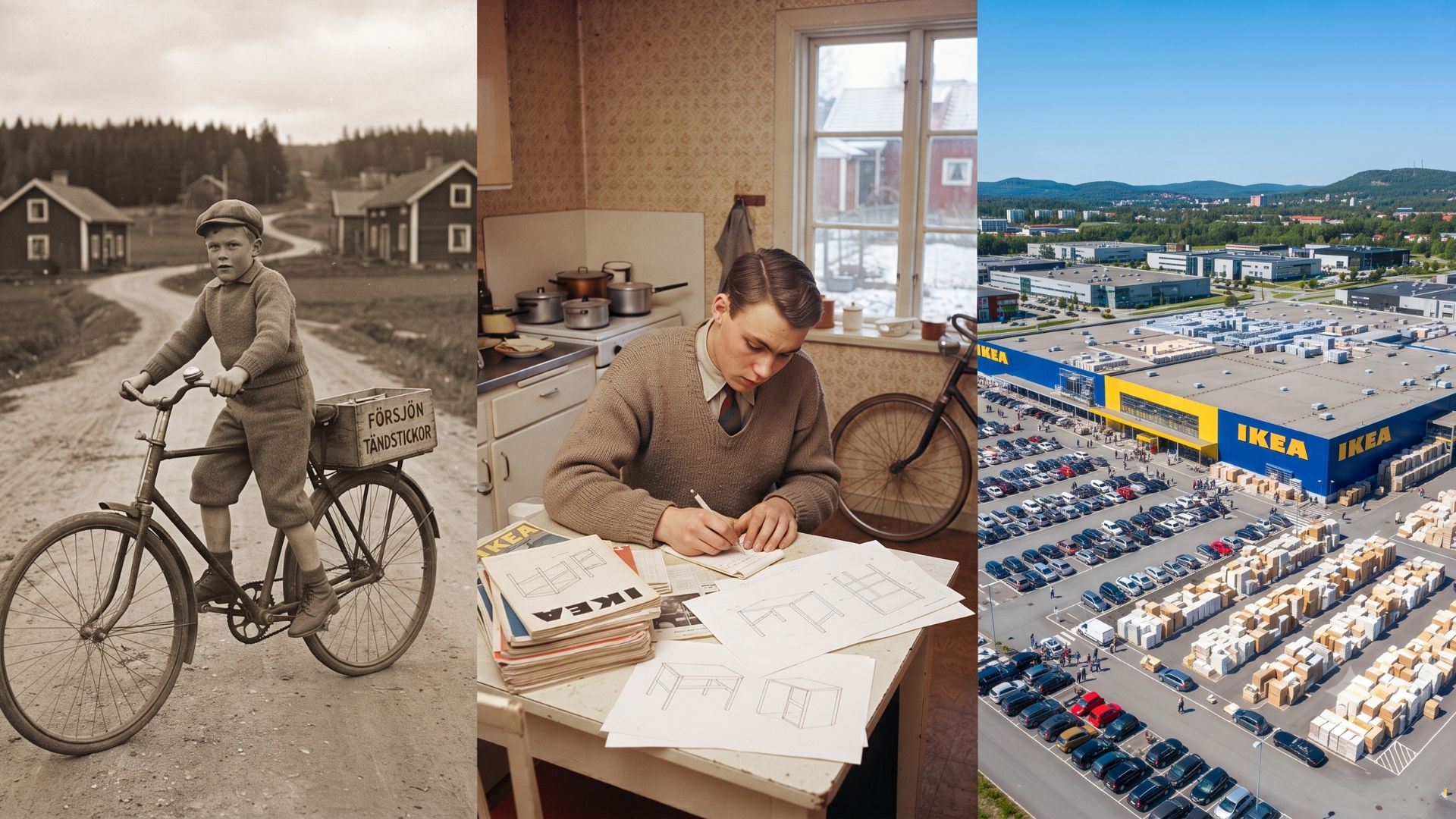
From matches sold by bicycle at age 5 to a global furniture empire: the lumberjack’s son founded IKEA at 17 in his uncle’s kitchen and transformed a small company into the largest furniture retailer on the planet.
-
The mansion in Flamengo, built in 1865 for the Baron of São Clemente and closed for 20 years, has become a spa, event hall, and gym for “Symphony,” a luxury condominium that sold 70% of its gross development value in the first month on the R$ 60 million land of the former Bennett College.

-
The Ipiranga convent, a 1924 building adjacent to the Museum that remained vacant for a decade and became home to dozens of cats, is reborn as “Alma Mater,” a luxury development worth R$ 130 million with a pool in the courtyard and a clubhouse in the former nuns’ chapel.




Judicial decision allowed reunion after 33 days
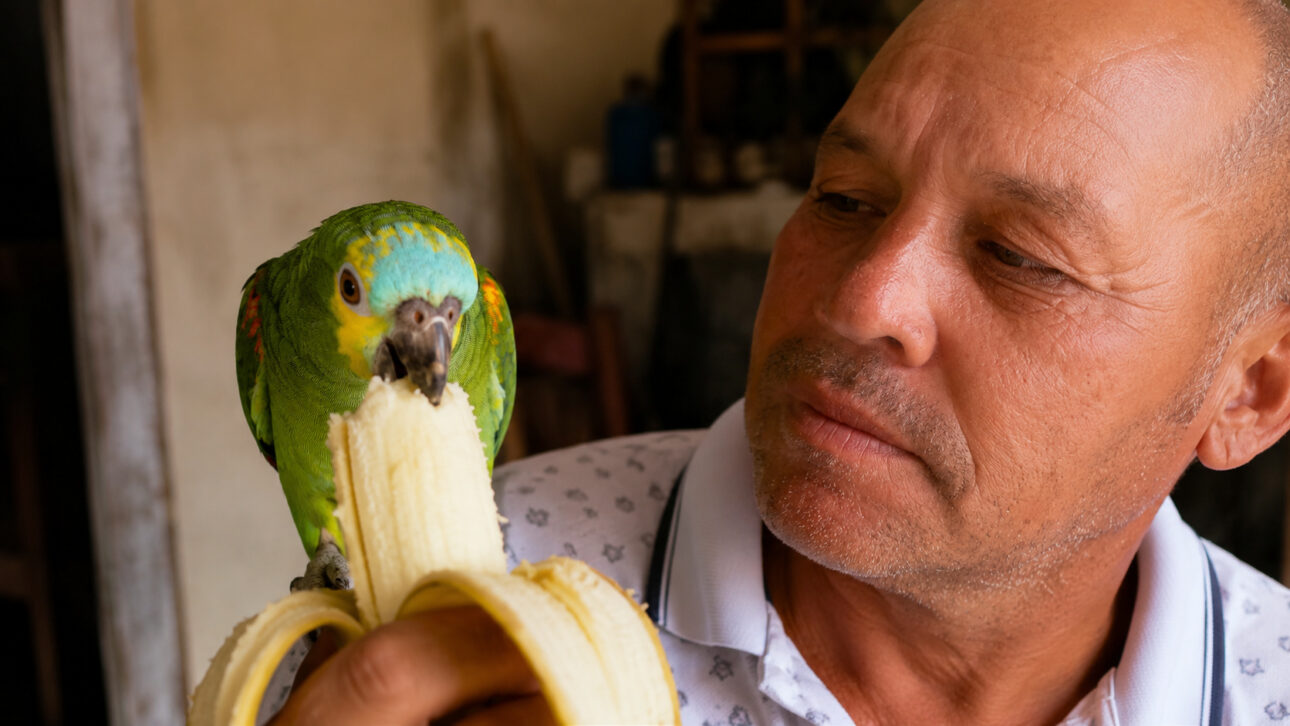
The search for the return of the parrot led Adilson to the courts. After just over a month of separation, a decision through a writ of mandamus allowed the bird to return to its caretaker. The Louveira City Hall stated, in a note displayed, that the reunion was carried out in compliance with the judicial order. Louro left the same cage he had been taken in and went directly into Adilson’s arms, in a moment marked by emotion for the family and the team that followed the story.


Reunion exposed relief and concern
The return of the parrot brought immediate relief but also revealed concern. As soon as he arrived, Louro went to Adilson’s shoulder, repeating a gesture already known to those who followed their relationship. The caretaker prepared a special space for the bird, with a branch, rope, and hose bath, a habit the parrot usually enjoys. Even with the joy of the return, Adilson stated that he noticed the animal was thinner, scared, and reserved after 33 days away from home. For him, the separation left marks on Louro’s behavior.
Case involves environmental law and situation considered special
The situation also reignited the debate about the presence of wild animals in homes. Keeping a wild animal at home is a crime, and environmental legislation must be respected. However, Adilson’s defense argued that Louro’s case presents an exceptional condition due to the 40-year relationship between the bird and the caretaker. According to Adilson’s lawyer, the separation could cause a tragedy to the animal, precisely because of the bond built over so many years.
Family tries to resume coexistence
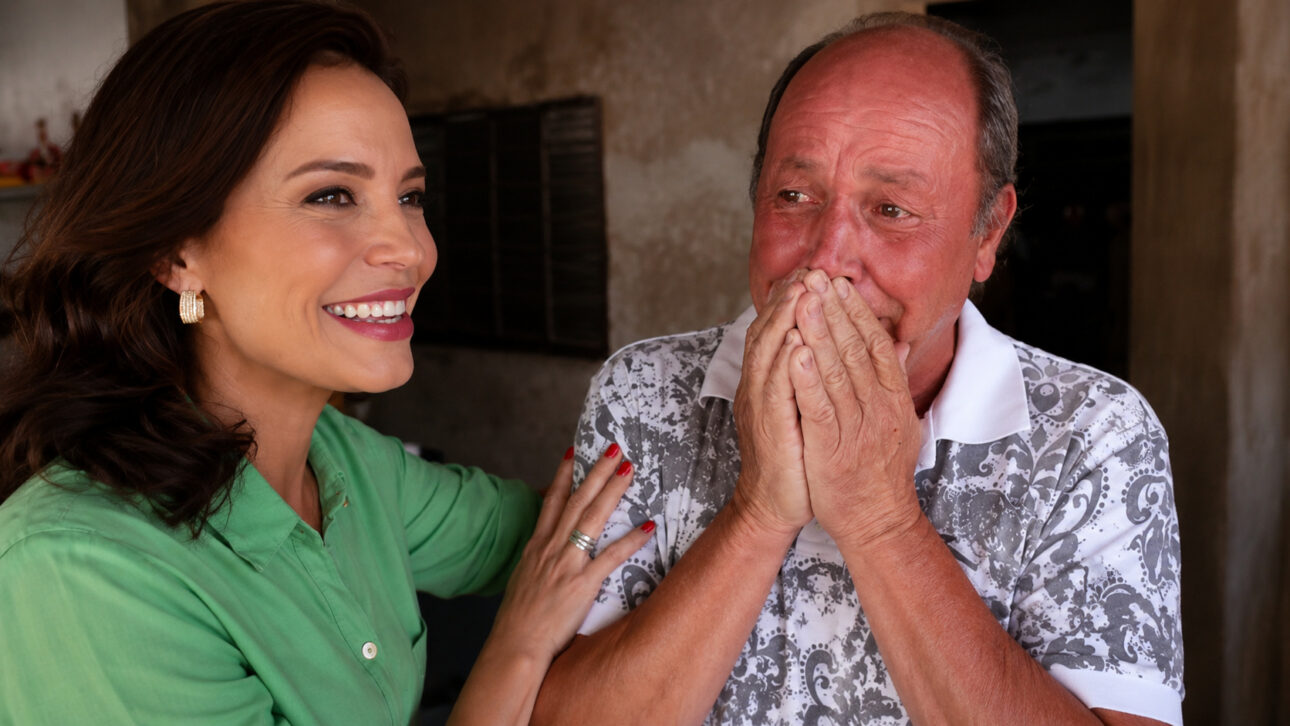
The return of Louro restored part of the routine to Adilson’s family. The caregiver resumed living with the bird in the space where the two spent much of their lives together, while family members try to reestablish normality after the period of separation. Adilson’s wife also tries to get closer to the parrot, although she acknowledges that the bird’s strongest bond is with the caregiver. The scene reinforced the perception that the relationship between the two goes beyond daily presence and involves a long-standing companionship, marked by recognition, habit, and affection.
Future of custody still depends on Justice
The favorable decision does not represent the definitive closure of the case. According to the defense cited in the report, there is still room for appeal, and Louro’s stay with Adilson may be discussed again. For now, the bird remains in the place where it lived for 40 years and where it was received again by the family. The case continues as a delicate episode between the application of environmental law and the analysis of an exceptional companionship, built over four decades.
In this scenario, the story of the parrot Louro raises a sensitive question: when a wild bird lives for so many years with a family, should Justice prioritize only the environmental rule or also consider the bond created over a lifetime?