Portuguese
  Spanish



Cumulative Adjustments, High Dollar, and Industrial Costs Make Car Maintenance Heavier on the Wallets of Brazilians
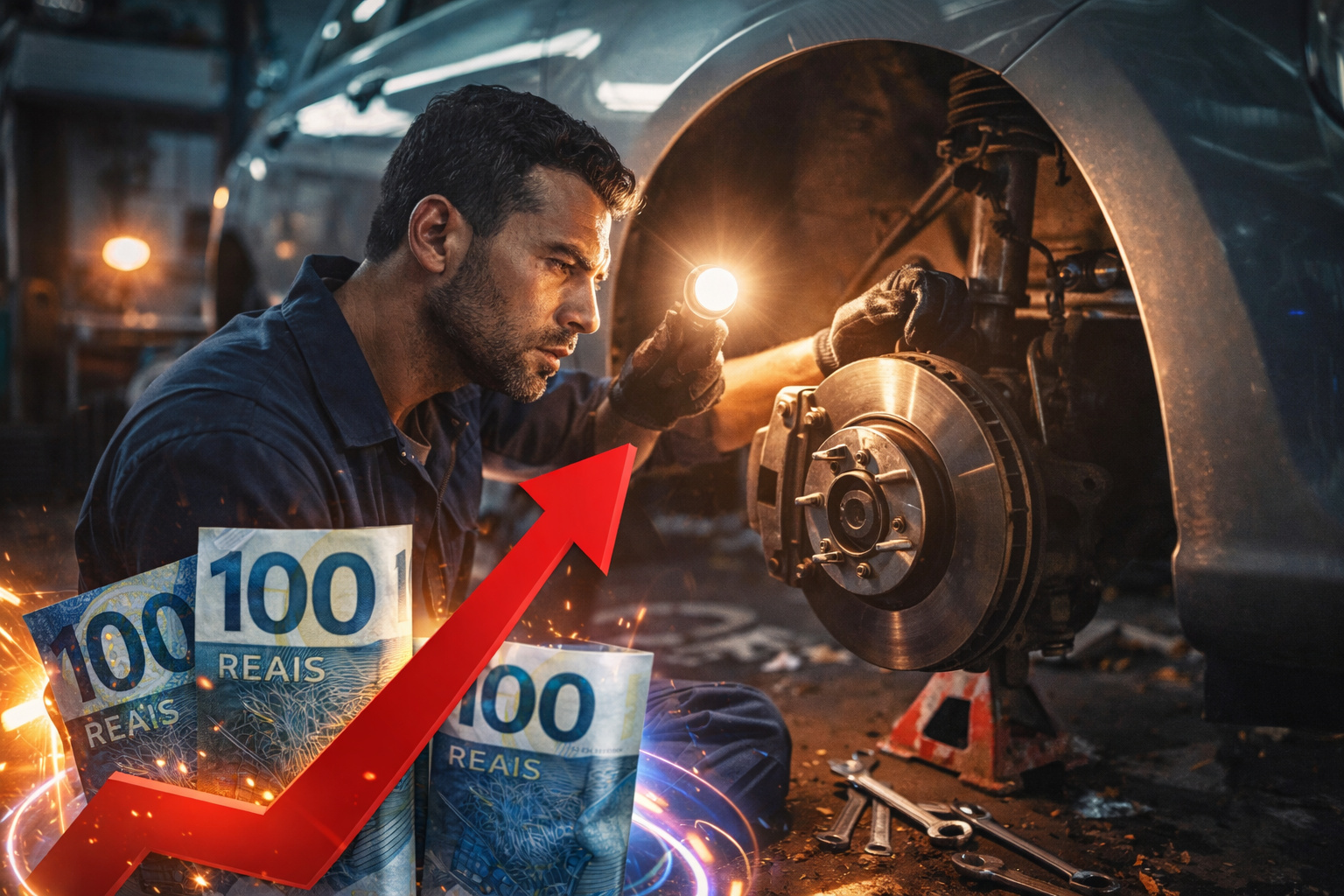
Maintaining a car in 2026 has become significantly more expensive in Brazil. Those who needed to change tires, perform maintenance, or replace basic parts have already felt the direct impact on their finances. The increase did not come from a single factor, but from a combination of costs that includes a high dollar, accumulated inflation, more expensive logistics, and dependence on imported parts.
The result is simple: items that were once considered routine maintenance now require financial planning. And this applies to both popular cars and SUVs, pickups, and used vehicles.
Why Tires and Parts Have Become More Expensive
The increase in automotive maintenance costs is a consequence of several factors that have intensified in recent years:
-
1983 Chevrolet Runs Over 100,000 km Without Gasoline, Powered by Wood Chips, Reaches 125 km/h in Airport Test

-
Workshop Converts Giant Tractor Tire Tricycle into a Three-Wheel Drive Hybrid with 36,000-Watt Electric Motor Capable of Climbing Hills

-
Sales of Brazil’s Cheapest Electric Car Halted Before First Deliveries: E-Motors Suspends Emova Easy Due to Import Tax Increase and Rising Freight Costs

-
Nissan Discontinues Qashqai SUV Amid Cost-Cutting, Chinese Competition, and Product Line Review



- dependence on imported raw materials;
- high dollar levels;
- higher transportation and energy costs;
- rise in labor costs;
- successive adjustments in the automotive industry.
Even parts produced in Brazil are affected since part of the supplies come from abroad.
Tires Lead Increases in 2026
Tires are among the items that have seen the most significant price hikes. On average, cumulative adjustments range between 20% to almost 30%, depending on the size, brand, and type of vehicle.
In practice, this means that changing a complete set of tires may cost R$ 300 to R$ 500 more today than it did two years ago — an immediate impact on the driver’s budget.
See below the comparative price table (image) showing how much tires and parts have increased from the previous period to 2026.

Automotive Parts Have Also Become More Expensive
Besides tires, other common maintenance parts have also seen price increases. Brake pads, discs, shock absorbers, and batteries have had constant adjustments, reflecting both industrial costs and logistical difficulties.
In many cases, a simple maintenance service that used to cost around R$ 900 now exceeds R$ 1,150 in 2026. More comprehensive services can easily reach R$ 1,500 or more, especially for SUVs and pickups.
Used Cars Feel the Impact Even More
Those with used cars feel the increase more acutely. This happens because:
- maintenance is more frequent;
- some parts are more difficult to find;
- many models depend on imported components;
- natural wear and tear requires more frequent replacements.
In some cases, the annual maintenance cost already represents 10% to 15% of the vehicle’s value, something that used to be common only in older cars.

Is It Worth Delaying Maintenance?
Experts warn that delaying maintenance can be even more costly. Worn tires, compromised brakes, and expired suspension increase:
- fuel consumption;
- wear on other parts;
- risk of accidents;
- chance of unexpected expenses in the future.
In 2026, the driver’s challenge is not only to pay more but also to choose the right moment to spend.
How to Reduce the Impact on Your Wallet
Even with higher prices, some actions help save money:
- research prices at more than one workshop;
- avoid replacing parts without real necessity;
- keep alignment and balancing up to date;
- choose trustworthy brands, not just the most expensive;
- invest in preventive maintenance.
Small decisions can represent significant savings over the year.
What to Expect Going Forward
The scenario indicates that maintenance costs are likely to remain high in the coming months. If the dollar rises again or industrial costs increase once more, further adjustments are not ruled out.
For the Brazilian driver, the message is clear: in 2026, owning a car remains a synonym for mobility but also requires constant financial planning.