






 Portuguese
  Spanish




US Navy Recently Announced That Four of These Ships Will Be Retired Early, After Being Plagued by Operational Issues.
The US Navy’s Littoral Combat Ship class has been an innovative project since its inception. With two main models – the Freedom class and the Independence class – these ships were designed to be fast, efficient, and highly technological. However, despite their revolutionary features, the Navy recently announced that four of these ships will be retired early.
In this article, we will explore the reason behind this decision and analyze the challenges and innovations presented by the Littoral Combat Ship class.


The Futuristic Design
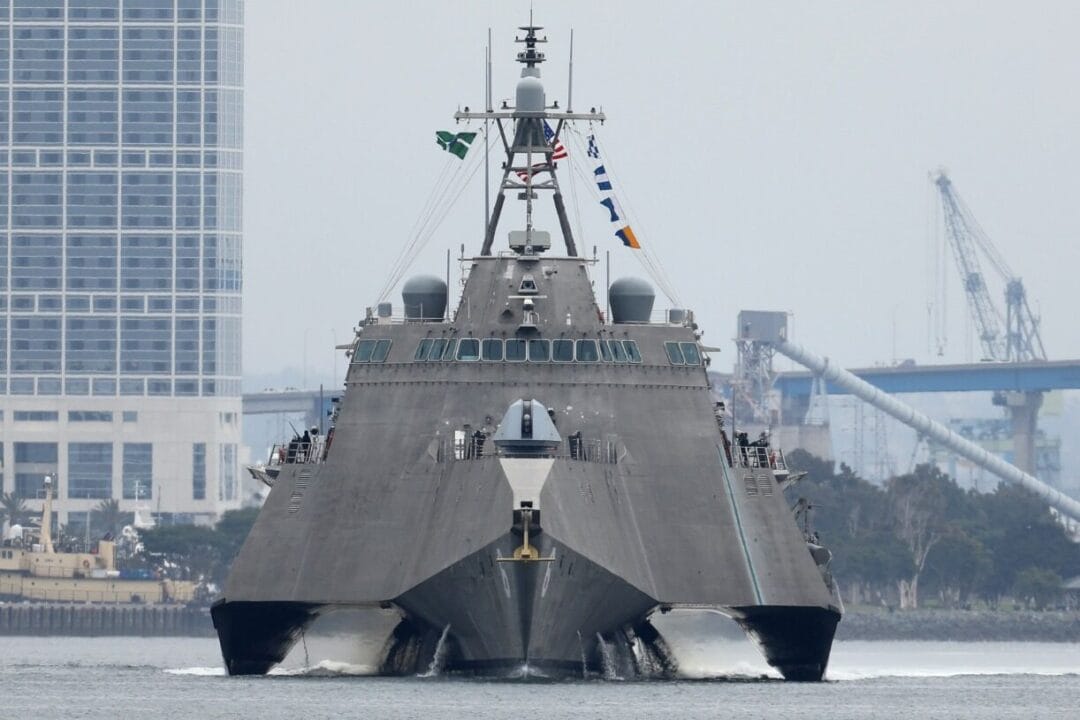
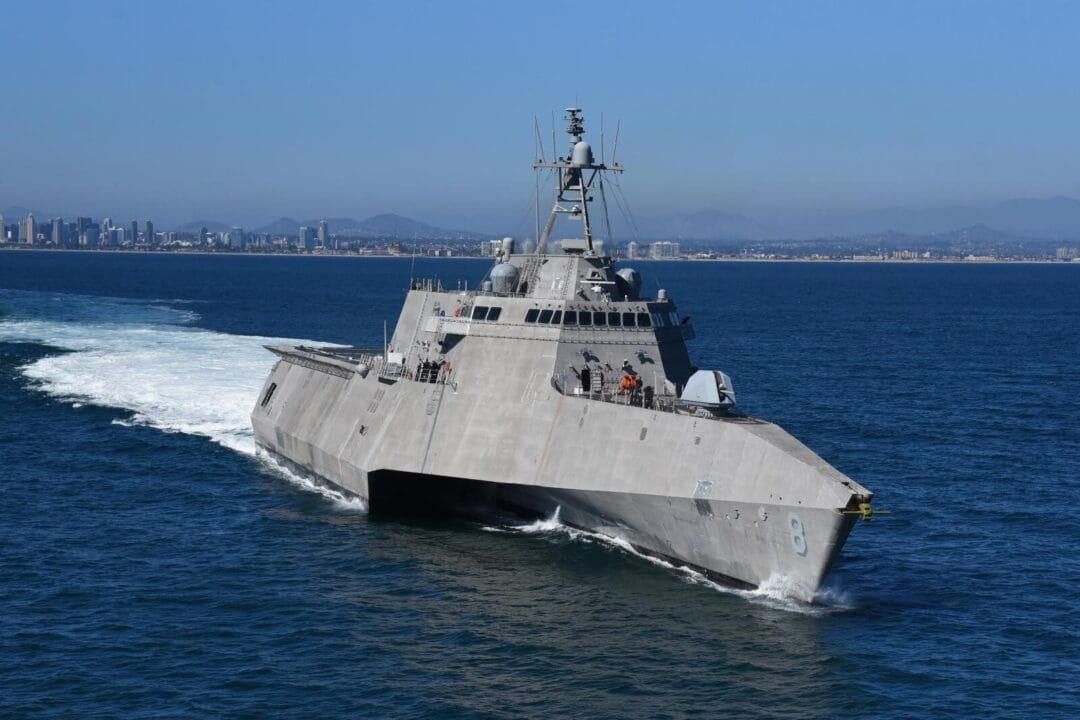
One of the most striking features of the Independence class is its ultra-futuristic design. With a trimaran hull, this ship consists of a central structure and two narrow side hulls to enhance stability.
-
Global Shipping Faces Shortage of Certified Maritime Officers, Salaries in the U.S. Can Exceed $100,000 Annually

-
Europe Sizzles: Intense Heatwave Disrupts Daily Life, Closes Schools, Strains Power Grids, and Raises Concerns Over Potential Deaths
-
Ohio Carpenter Finds 308-Gram Meteorite the Size of a Baseball After Dreaming of Its Location
-
Chinese Humanoid Robots Transition from Labs to Real Factories to Assemble Tablets: AgiBot Deploys G2 Machines at Longcheer, Aiming for 100 Robots in Electronics, Cars, Chips, and Energy by 2026


This configuration offers several advantages, such as greater stability in rough seas and the ability to navigate in shallow waters. Additionally, the side hulls provide extra protection to the central hull, where the crew, machinery, and armaments are located.
The Choice of Aluminum
Another innovation present in the Littoral Combat Ship class is the construction of the hull in aluminum instead of steel. Although aluminum is lighter and resistant to corrosion, it presents some challenges. Aluminum has a lower melting point and begins to lose its structural properties at relatively low temperatures.
However, the company responsible for building the ships stated that the use of aluminum provided advantages, such as locating damage in cases of collisions, preventing damage to other parts of the structure.
Problems with Corrosion
One of the main problems faced by the Littoral Combat Ship class is corrosion. The interaction of aluminum with other metals, such as steel, in the presence of an electrolyte, like seawater, can cause galvanic corrosion. To prevent this issue, protection procedures were implemented, such as painting, electrical insulation, and cathodic protection with sacrificial anodes.
However, there have been cases of corrosion in the ship hulls, raising criticisms about the maintenance procedures carried out by the Navy.
Challenges in the Propulsion System Faced by the Navy
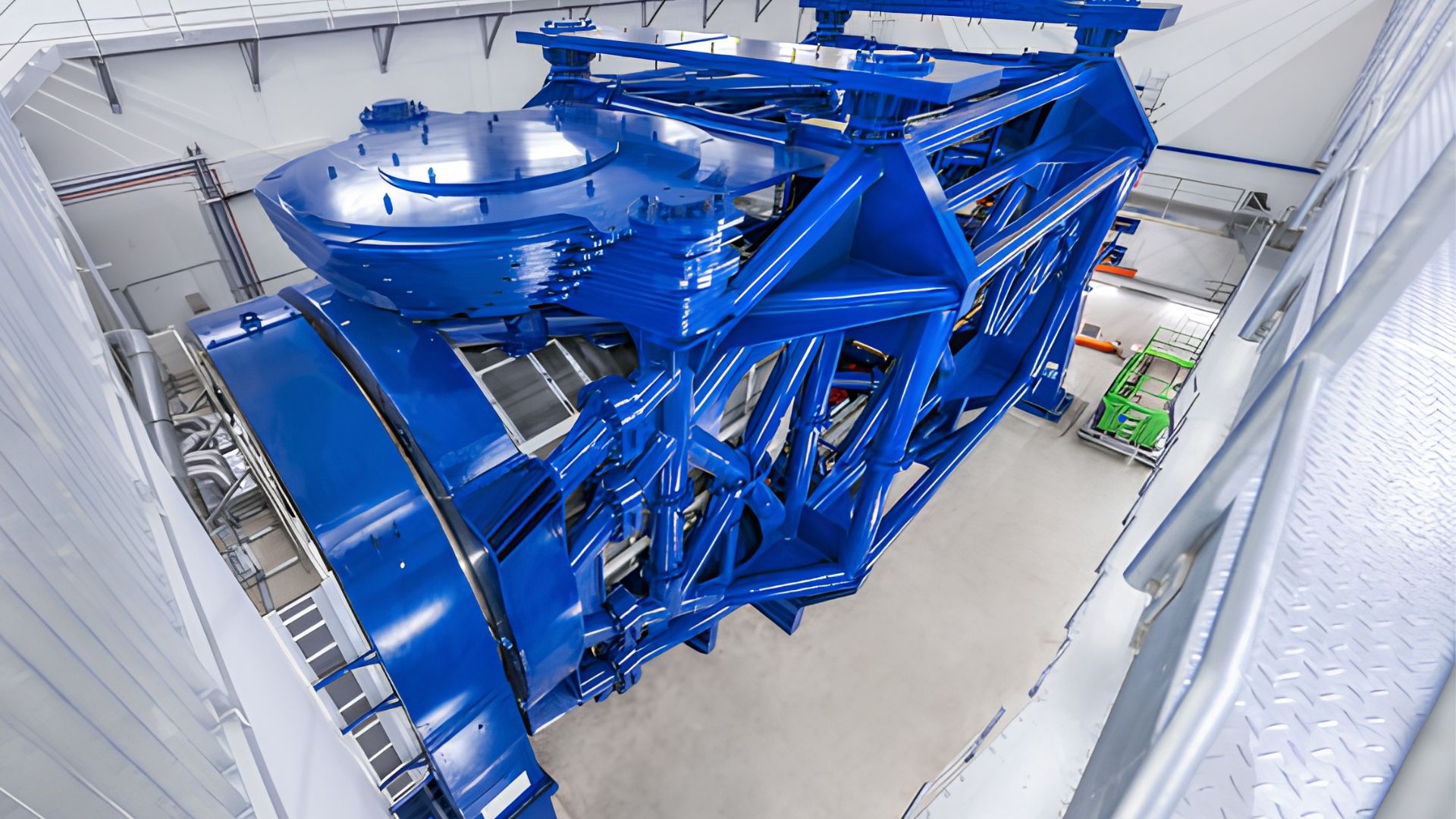
Another challenge for the Littoral Combat Ship class is the propulsion system. These ships have two diesel engines and two gas turbines, which power four water jets to reach speeds of up to 45 knots. However, the complexity of this system and the need for synchronization among the different components have generated maintenance issues. Failures in clutches, lubrication problems, and metal debris in the filter systems were some of the incidents reported on the ships.
The Future of Littoral Combat Ships
Despite the challenges faced by the Littoral Combat Ship class, it is important to emphasize that this innovative project undergoes cycles of problem identification and correction. However, the Navy’s decision to retire four of these ships indicates that the costs of upgrades and maintenance have become unfeasible. Furthermore, the development of a new class of guided-missile frigates may replace the Littoral Combat Ship class in the future.
The Littoral Combat Ship class of the US Navy was an innovative project, seeking speed, stability, and efficiency in its operations. However, corrosion issues, challenges in the propulsion system, and the need for costly upgrades and maintenance led to the decision to retire four of these ships early. The future of this class of ships remains uncertain, but it will certainly leave a legacy of innovation and challenges faced by the US Navy.




Vi problemas comuns a todas inovações. Faltou conteúdo na matéria. O custo de operação é mais alto? O que inviabiliza o projeto? E cadê a comparação dele com o que temos funcionando? Achei muito alarmista e pouco realista. Dá pra melhorar um bocado no projeto dos navios e da matéria jornalística.
Não duvido nada o Brasil comprar essa **** igual fez com o chão Paulo 😂😂😂😂
Caramba… Quantos engenheiros navais e especialistas de PN. Ao invés de debaterem o assunto do artigo, insistem em misturar um assunto técnico com política e continuar sendo os eternos viúvos da **** e da patética tentativa de golpe.