Portuguese
  Spanish



Moroccan Startup Develops Cheaper Solution to Convert Ocean Waves into Electricity, with Tests at Port and Data Center.
The constant force of ocean waves is back at the center of the global debate on energy transition. In Morocco, a local startup is testing an innovative technology that promises to drastically reduce the costs of generating energy from waves, bringing this clean source closer to economic viability.
Although the potential of waves has been recognized for decades, the technology still occupies a marginal space in the energy sector. This is despite impressive numbers. Only in the United States, wave movement along the coast could generate up to 1.4 trillion kilowatt-hours per year, equivalent to about one-third of all electricity consumed in the country.
Still, in practice, wave energy remains limited to pilot projects and experimental initiatives, lagging far behind sources like solar and wind, which dominate new renewable installations around the world.
-
Brazilian scientists are simultaneously advancing two research projects on clean hydrogen and driving solutions that could transform the energy matrix, enhance industrial competitiveness, and accelerate large-scale emission reduction targets.

-
Advancement in renewable energy: A R$ 150 million project launched by Petrobras and Finep aims to create state-of-the-art electrolyzers for green hydrogen, strengthening national research and preparing Brazil to compete in a billion-dollar energy market.
-
Illiterate or semi-literate grandmothers were trained to repair solar systems, open rural workshops, and light up homes that still depended on kerosene.
-
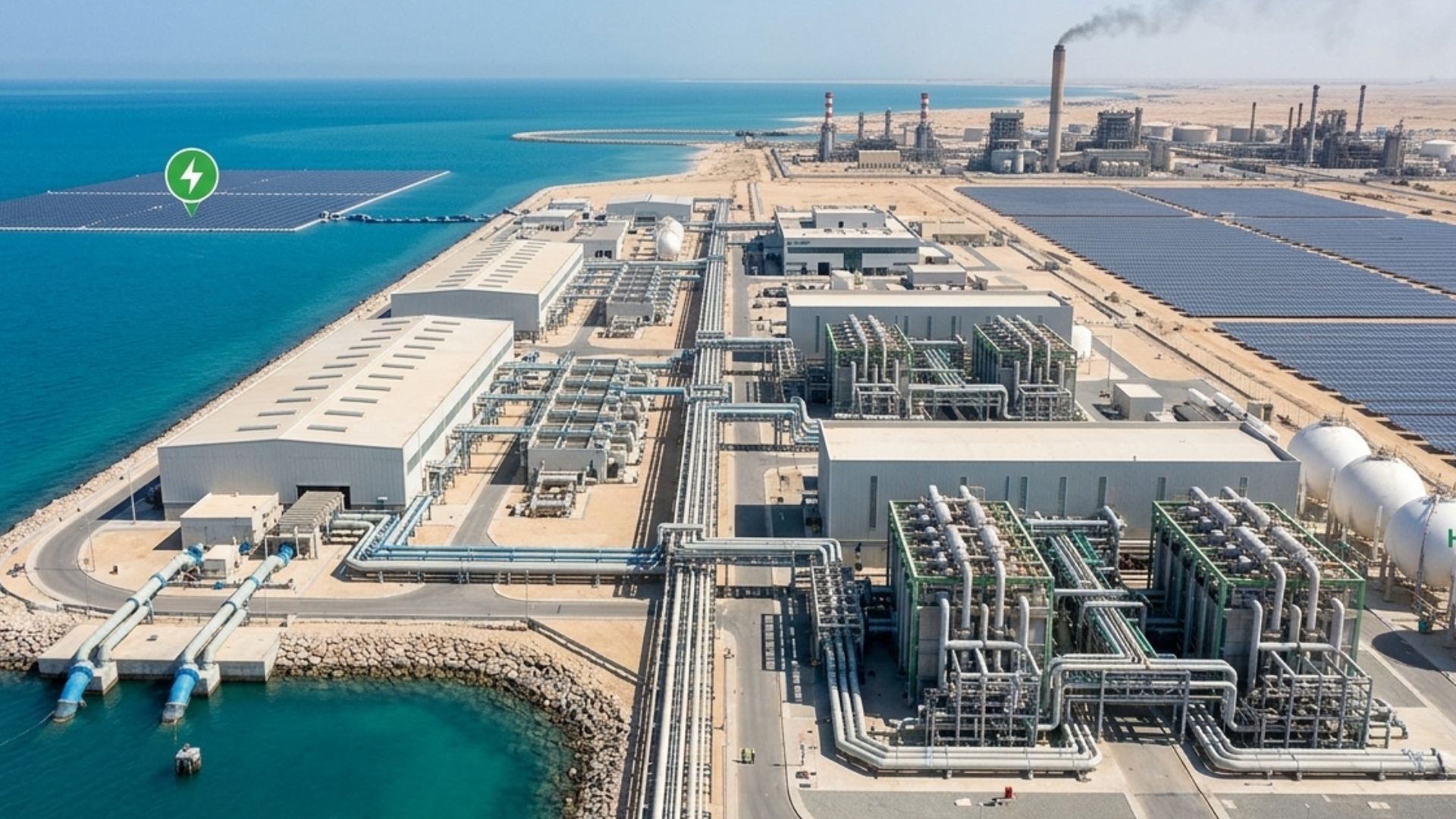
The world has bet on green hydrogen as the fuel of the future, but now faces the side effect: producing 1 kilogram requires about 9 liters of ultrapure water, and the largest projects on the planet are precisely in the driest regions of the Earth, where water is already scarce for people.




Costs and Challenges Have Always Limited This Energy Source
The slow advancement of wave energy has clear explanations. Construction costs are high and the ocean environment imposes severe technical challenges. Equipment is exposed to corrosion, tidal forces, and especially storms that can cause significant damage.
Meanwhile, sources such as solar and wind energy have advanced rapidly, benefiting from falling prices, industrial scale, and easier installation. Even with the intermittency of these sources, they have become dominant in the renewable matrix.
It is in this scenario that the Advanced Renewable Energies Company of the Third Era (Atarec), a Moroccan startup, comes into play. The main innovation lies in the way the equipment is installed.
“Compared to other wave energy systems, the initial cost is reduced by 70%,” says Oussama Nour, CEO and co-founder of the company and also co-inventor of the technology.
To achieve this reduction, Atarec avoids complex constructions in open sea. Instead, it anchors its devices to existing structures, such as breakwaters and ports. In the first pilot project, a unit was installed in the Tanger Med port, one of the largest on the northern coast of Morocco.
How Energy Generation from Waves Works
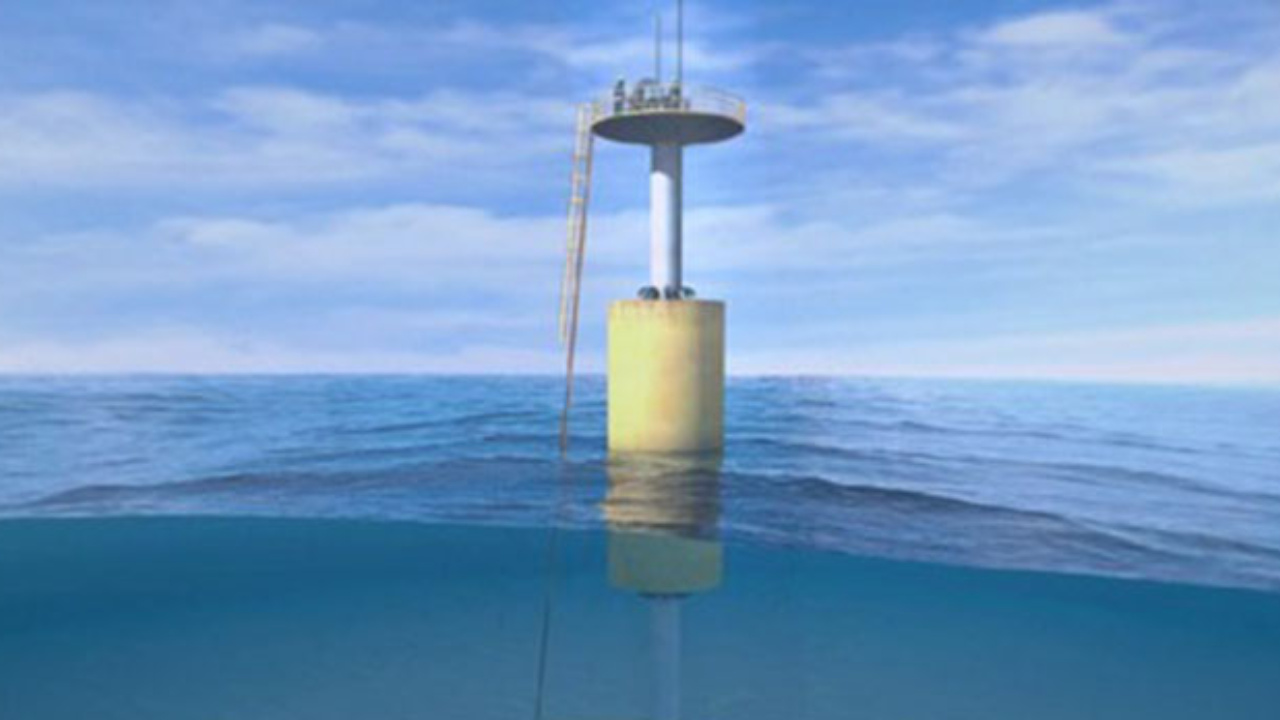
The system utilizes a floating buoy, which follows the vertical movement of the waves. As it rises and falls, this displacement is converted into electricity, which can be integrated into the local power grid.
This model brings a relevant advantage. Unlike solar and wind energy, which directly depend on specific weather conditions, wave energy is more predictable. Although it varies according to wind, tides, and geographical location, it tends to be available with greater regularity.
In the Moroccan pilot, initial data indicates that the technology generates energy about 62% of the time. In the same region, solar energy operates, on average, only 18% of the time, according to Nour.
“We need a combination of wind, solar, and waves – and also batteries,” says the executive.
Strategic Complement to Solar and Wind Energy
By filling in the gaps when the sun doesn’t shine and the wind doesn’t blow, wave energy can balance the electrical grid, especially in coastal areas. This complementarity makes the source particularly attractive in regions looking for a predominantly renewable matrix.
In the case of Morocco, with its extensive coastline and growing demand for clean energy, the potential is significant. The technology can help stabilize supply and reduce dependence on fossil fuels.
Another differentiator of Wave Beat is its modular design. The technology can be installed at different scales, with units of various sizes. The largest model has the capacity to generate up to 750 kilowatts.
At the Tanger Med port, for example, it would be possible to install more than 100 units along the entire breakwater, enough to power the entire port and still supply energy to nearby industrial areas.
Additionally, ports could use this energy to produce green hydrogen, ammonia, or methanol, fuels that are gaining traction as cleaner alternatives for maritime transport.
Engineering Designed to Withstand Storms
Resistance to the extreme conditions of the ocean is another central point of the project. In storm situations, special valves open, allowing water to enter the buoys. This causes them to temporarily sink, being protected below the surface.
When the weather improves, the buoys automatically return to operating position. Additionally, the installation close to the breakwater facilitates access and reduces maintenance costs, a critical factor for energy projects in the marine environment.
Atarec has already raised about US$ 2 million in investments and is now preparing a larger-scale pilot. At the same time, laboratory tests are being conducted with newer versions of the technology.
The company is also participating in a Microsoft incubation program and plans to test the system at a data center located in the coastal area, where self-generated energy is strategic for reducing costs and emissions.
Currently, the cost of energy generated by Wave Beat is about 1.5 times higher than wind energy and can reach three times the cost of solar energy. Even so, Nour believes that scaling could change this scenario.
The installation is already nearly three times cheaper than other wave energy solutions, in addition to costing half to operate. With more projects, increased production, and technological maturation, the expectation is to reduce prices and enhance the competitiveness of this source within the global energy market.