






 Portuguese
  Spanish
  4 min of reading
  0 comments


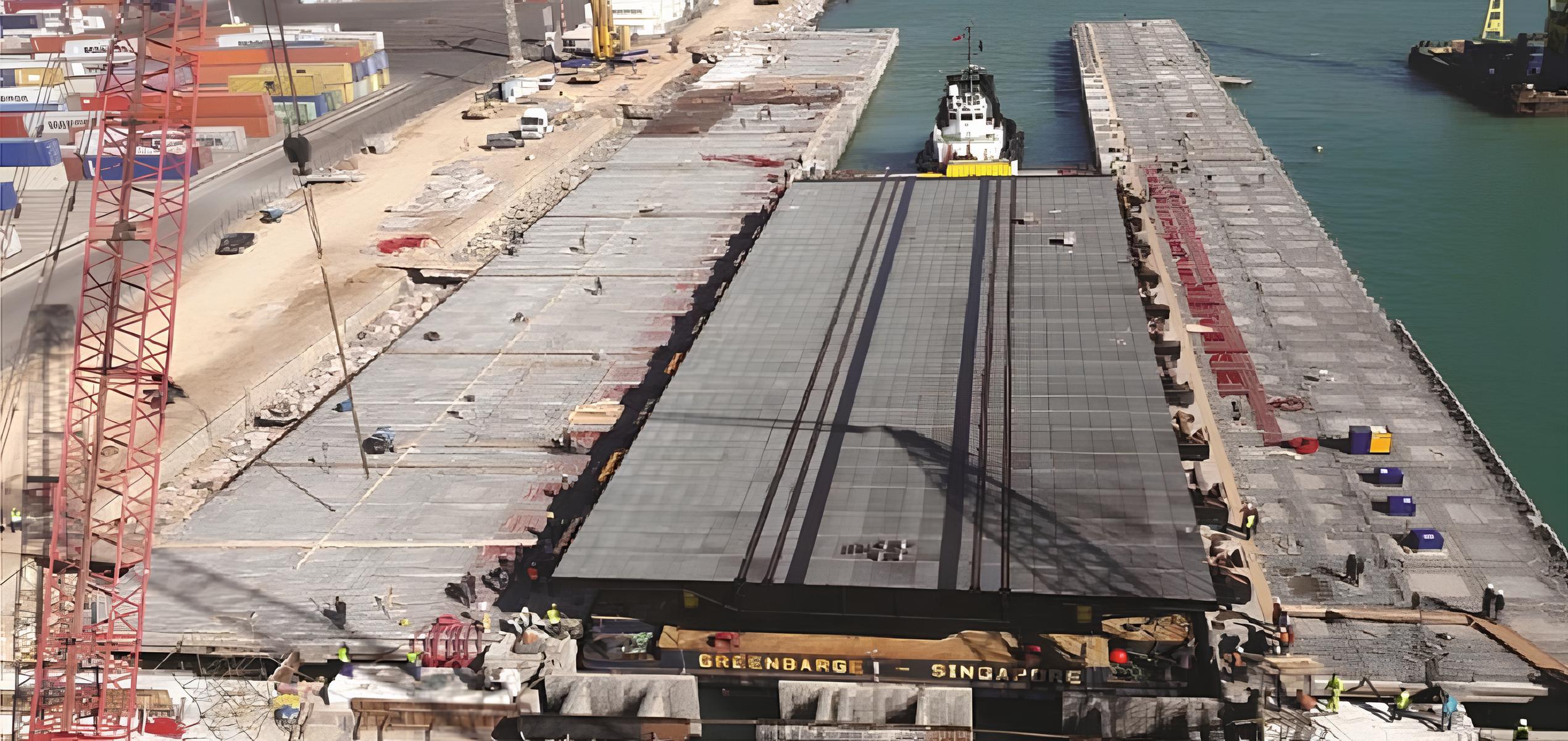
Morocco Starts Construction of the Largest Shipyard in Africa in Casablanca, with a 244 m Dry Dock, 9 Thousand Ton Crane and Focus on Military and Offshore Ships.
Morocco has begun construction on an ambitious project that promises to reposition the country as a reference in shipbuilding and vessel maintenance on the African continent. This is the new shipyard in Casablanca, announced as the largest in Africa, with state-of-the-art infrastructure that includes a 244-meter-long dry dock, an area of 21 hectares, and a crane with a capacity of 9 thousand tons — one of the largest in the Southern Hemisphere.
With estimated investments of about US$ 300 million, the shipyard is part of a national strategic plan to boost the maritime industry, reduce dependence on external services, and attract commercial and military ships from across the continent and the Mediterranean.
A New Milestone for African Naval Engineering
Located in the port of Casablanca, the shipyard is being built in a highly strategic area, close to maritime routes connecting Europe, Africa, and South America. When completed, it will be the most modern shipbuilding and maintenance center in Africa, surpassing shipyards in Egypt, South Africa, and Nigeria in capacity and technology.
-
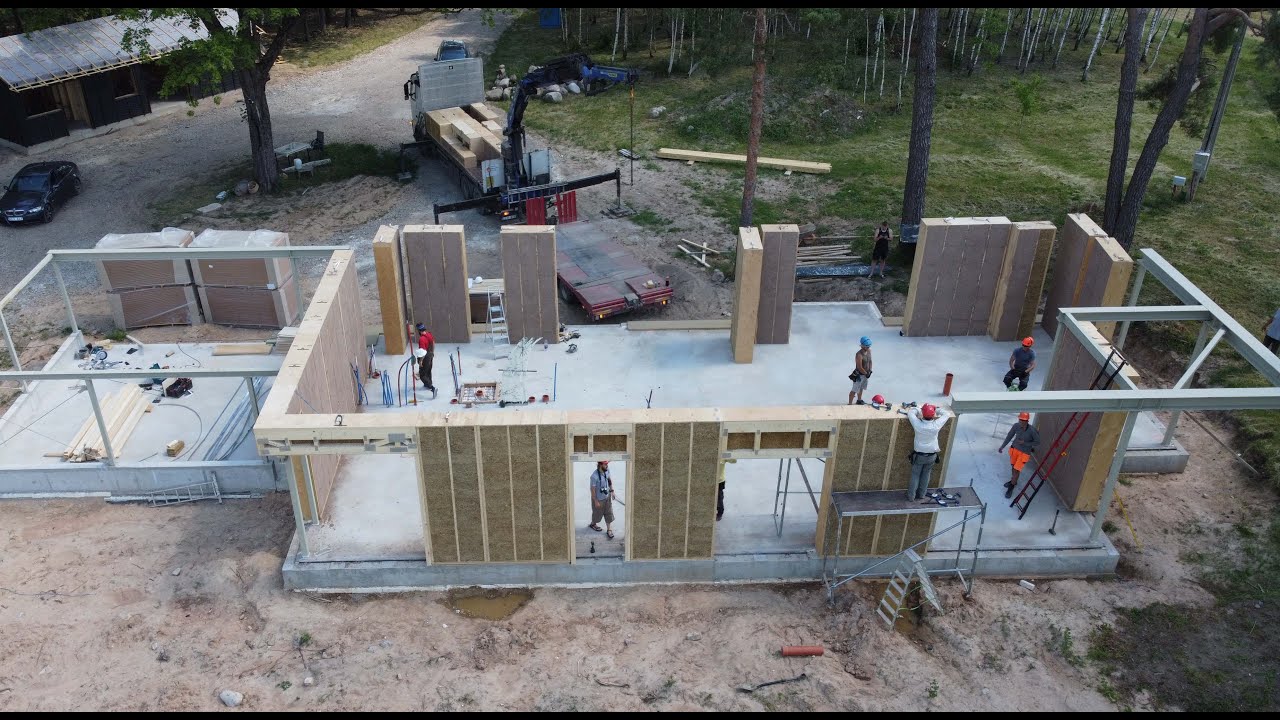
Without bricks, concrete, or waste: company transforms straw and wood into ready-made panels with high thermal efficiency and accelerates the construction of sustainable walls in just a few days.

-
How much does a bricklayer charge to build a covered garage in 2026? See the average labor costs per square meter and the factors that most influence the final price.
-
Why can the crane operator only obey the correct signalman on the construction site: among dozens of workers, a hand raised by the wrong person can confuse the maneuver and turn a load of tons into an immediate risk.

-
While traditional grass loses ground, a heat and drought-resistant alternative is advancing through Brazilian yards and attracting attention for requiring less frequent mowing and maintaining a uniform appearance even during prolonged drought periods.



The main structure of the complex will be the 244-meter-long by 40-meter-wide dry dock, capable of accommodating large freighters, tankers, and offshore vessels.
Additionally, it will feature a gantry crane with an operational capacity of 450 tons — but the auxiliary structures will allow maneuvers of up to 9 thousand tons in total logistical operations.
Technical Details and Operational Structure
According to the Moroccan government, the shipyard will have:
- Total Area of 21 Hectares
- Dry Dock of 244 m x 40 m
- 9 Thousand Ton Crane (combined structure)
- Workshops for manufacturing, cutting, and welding naval steel
- Capacity to accommodate up to 22 ships simultaneously, including maintenance, retrofit, and construction
- Facilities for repairs of military, commercial, and offshore vessels
In addition to the physical infrastructure, the project will include technical training centers aimed at local and international labor.
Strategic Investment and Logistical Independence
The investment in the Casablanca shipyard is part of a broader strategy of the Maritime Industrial Plan of Morocco, which aims to transform the country into a naval hub for Africa and the Western Mediterranean.
Currently, many vessels in the region need to be sent to Europe or Asia for complex maintenance, generating high logistical costs and operational delays.
With the new shipyard, the goal is to attract shipping companies, oil and gas companies, military ship operators, and parts suppliers to centralize naval maintenance and repair on the African continent itself.
The project is financed by a public-private consortium, with participation from the Moroccan government, development banks, and companies in the naval sector.
Capacity to Serve the Offshore and Military Industry
In addition to the merchant sector, the shipyard has been designed to serve vessels linked to the offshore industry, such as floating platforms, FPSOs, drill ships, and logistics support vessels. The dry dock will be equipped with modular systems capable of handling double hulls and reinforced armor.
The military sector will also be addressed, with specific lines for maintenance of corvettes, patrol vessels, and frigates of the Royal Moroccan Navy, as well as vessels from partner countries.
Morocco as a New African Naval Hub
The construction of the shipyard reinforces Morocco’s growing role as an industrial power in North Africa. With advanced trade agreements with the European Union and the United States, the country has attracted investments in sectors such as energy, automotive, aerospace — and now, also in shipbuilding.
The port of Casablanca, where the shipyard is located, is the largest in the country and handles about 35% of national imports and exports. Its proximity to the Strait of Gibraltar and the Suez Canal enhances its potential as a support point for international routes.
The new shipyard is expected to significantly increase the competitiveness of the port and solidify Morocco as a global logistics hub.
With a state-of-the-art infrastructure, strategic location, and focus on high-complexity services, the new Casablanca shipyard is not just a megaproject — it is a game changer for African naval engineering. In a continent where the dependence on external infrastructure is still high, the construction of this project puts Morocco at the forefront of a sector essential for trade, defense, and industrial development.
The expectation is that in the coming years, the shipyard will become a reference in efficiency, technology, and technical training, serving everything from civilian vessels to complex demands from the offshore and defense industries.







Be the first to react!