






 Portuguese
  Spanish


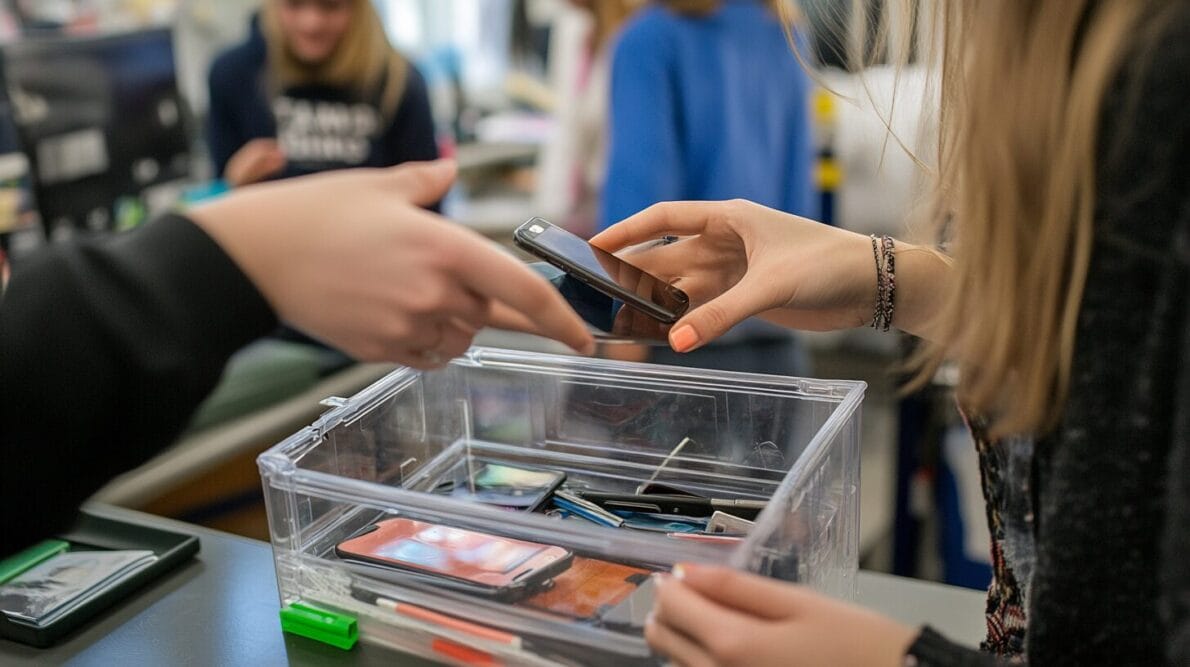

The Measure Aims to Control the Use of Electronic Devices During Classes and Breaks, Releasing Only for Pedagogical Purposes! Advanced Proposal for Analysis by the CCJ and Approved by the MEC
This Wednesday, 30, the Education Committee of the Chamber of Deputies approved a project that restricts the use of electronic devices in public and private schools. The measure, which now goes for analysis by the Constitution and Justice Commission (CCJ), prohibits the use of cell phones not only in the classroom but also during breaks and recess for all students in basic education. The proposal is restrictive, but there are approaches: use will be permitted for pedagogical purposes, cases of accessibility and inclusion, and for health reasons, according to g1.
New Project Has Support from the MEC and the Government
The Ministry of Education (MEC) and the Lula Government have shown support for the project. The Minister of Education, Camilo Santana, stated that the text “is aligned with the government’s guidelines for education” and that he supports its rapid processing so that the new rules can be implemented this year. The justification for the proposal is accompanied by real concerns: the rapporteur, Deputy Diego Garcia (Republicanos-PR), emphasizes that the exclusion aims to protect children and adolescents from the negative impacts of excessive screen use. “We want to protect childhood and prevent future problems both individually and socially,” explains Garcia.
For preschool students and those in the early years of elementary school, use will be completely restricted, while high school students will be allowed to carry cell phones, as long as they remain off most of the time.
-
A fossil kept for years in a small museum in Montreal concealed 450-million-year-old soft tissue, a discovery that has only happened once before in history.

-
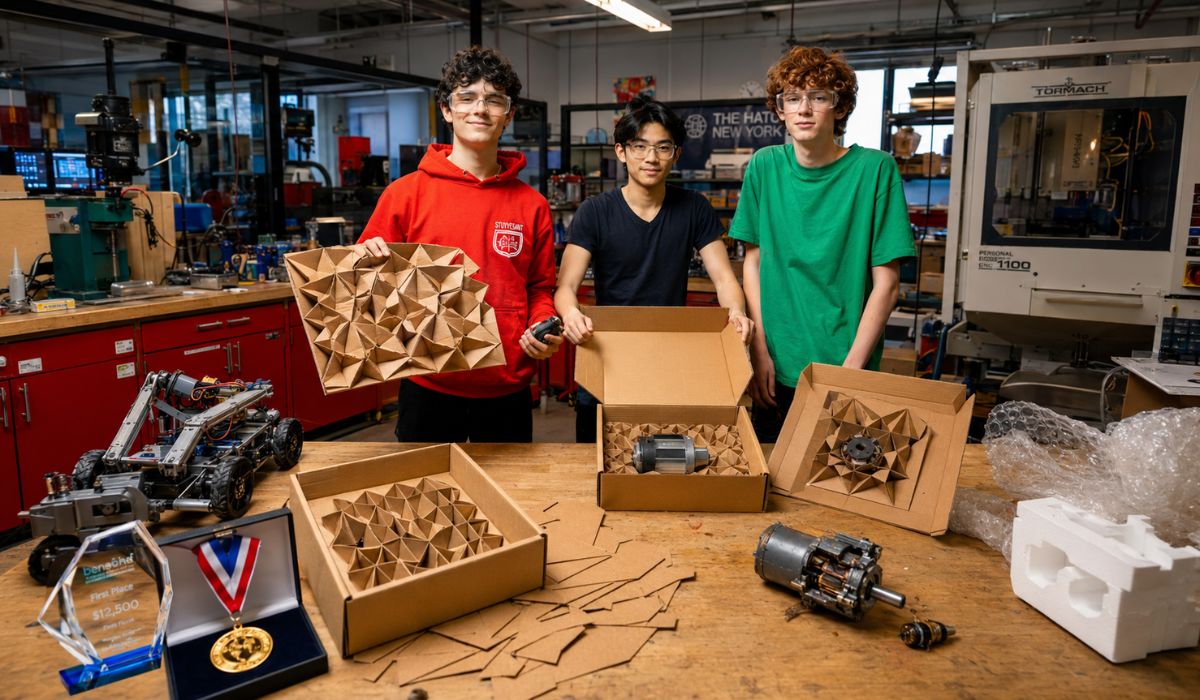
Three teenagers transform cut cardboard into Japanese origami-style packaging that promises to retire styrofoam and bubble wrap, win a $12,500 prize, and target giants like Amazon, FedEx, and Home Depot after a robot motor arrived broken.

-
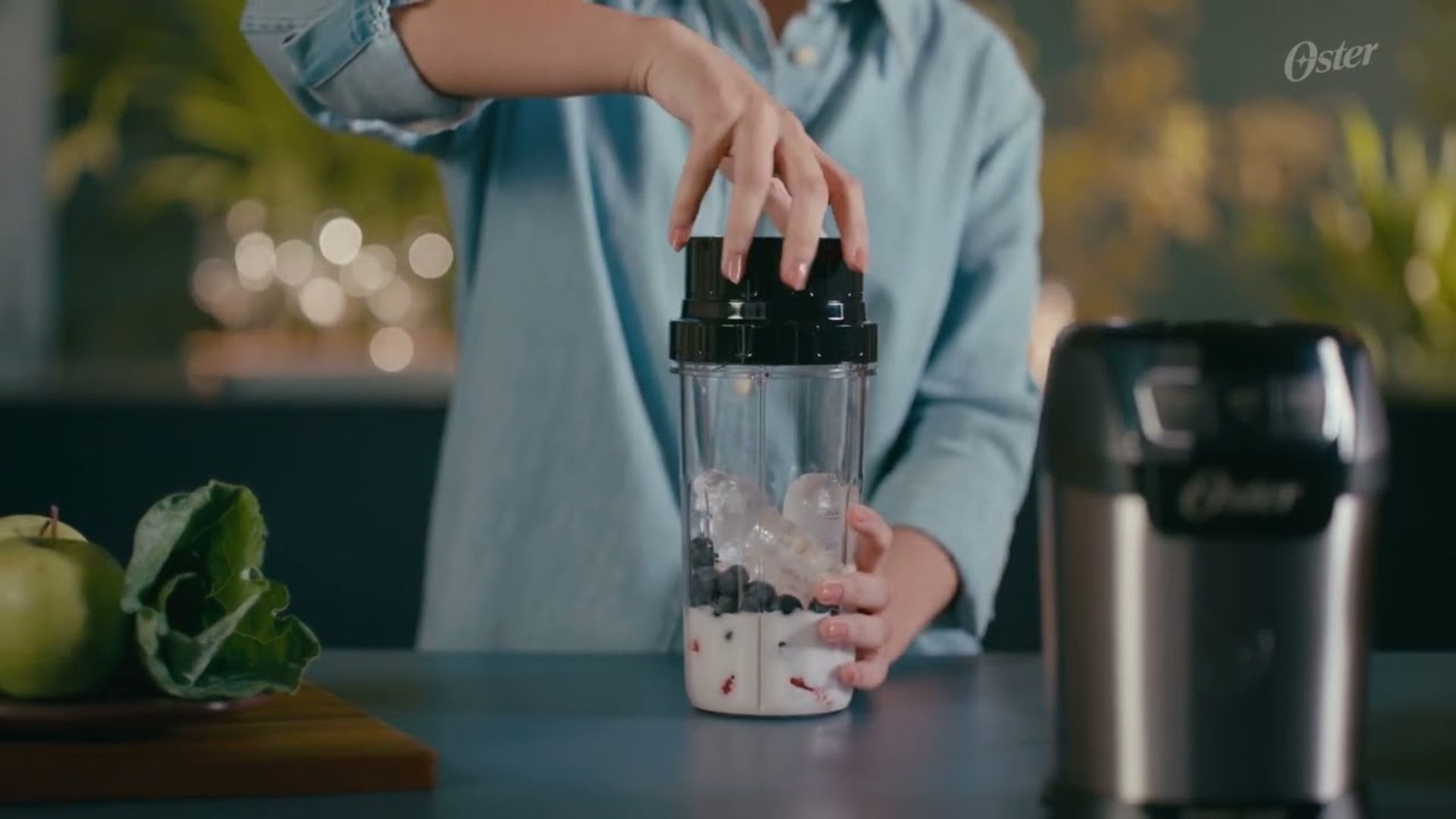
The large jar blender has a rival: Oster Ultra Power bets on 1,000 W, six stainless steel blades, and two portable cups with leak-proof lids.

-
Tesla injected an additional $250 million into the German factory, doubled the battery cell target, and opened its own production line for startups.


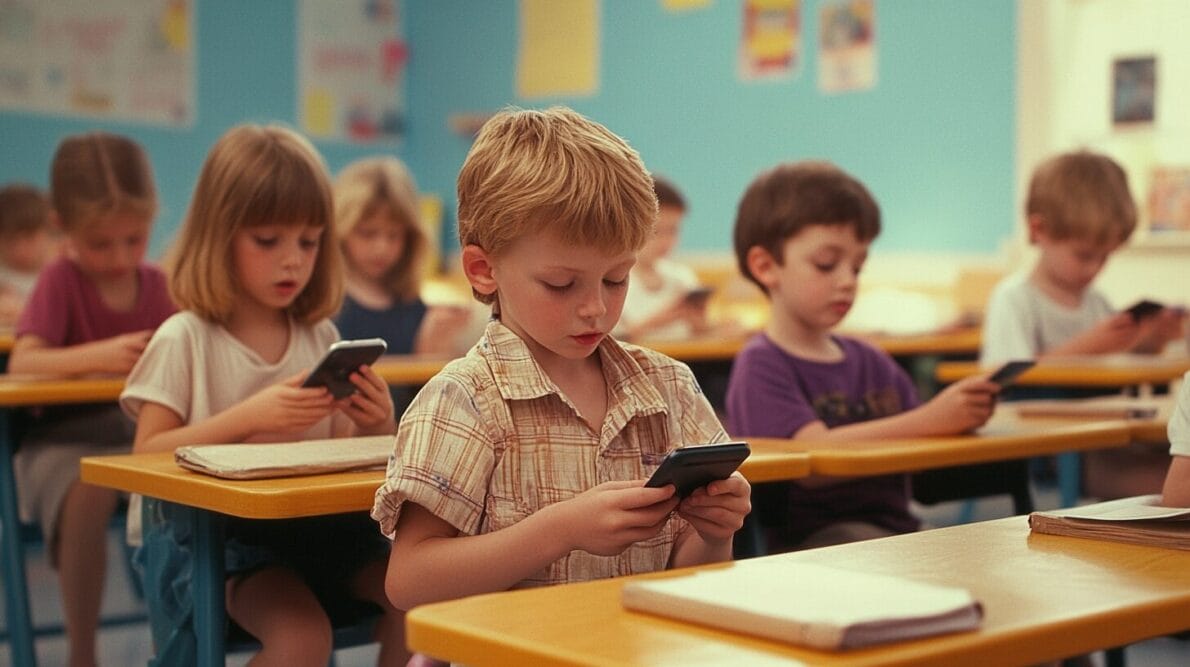
Use of Cell Phones in the School Environment: A Growing Debate
The use of cell phones in schools is a topic of discussion in several countries. In France, the separation of cell phone use during classes and breaks has been applied to students up to 15 years old since 2018. In the Netherlands, cell phones and other electronic devices have been banned since the beginning of 2024, with permission only for activities directly related to the class. In China, the control is even stricter: students need permission from parents to bring cell phones and must hand them over to teachers during school hours.
Mental Health and Welcoming Are Priorities in the New Proposal
As the excessive use of screens is becoming a public health problem, the Chamber’s project also provides for psychological support measures for students. The idea is for schools to offer listening and welcoming spaces, with trained professionals to help students facing difficulties such as nomophobia, the fear or anxiety of being without a cell phone, which already affect the sleep and social relationships of many young people.
The proposal also includes daily training sessions to equip educators and staff in identifying signs of psychological distress and in preventing the effects of excessive use of electronic devices.






Oi