Portuguese
  Spanish


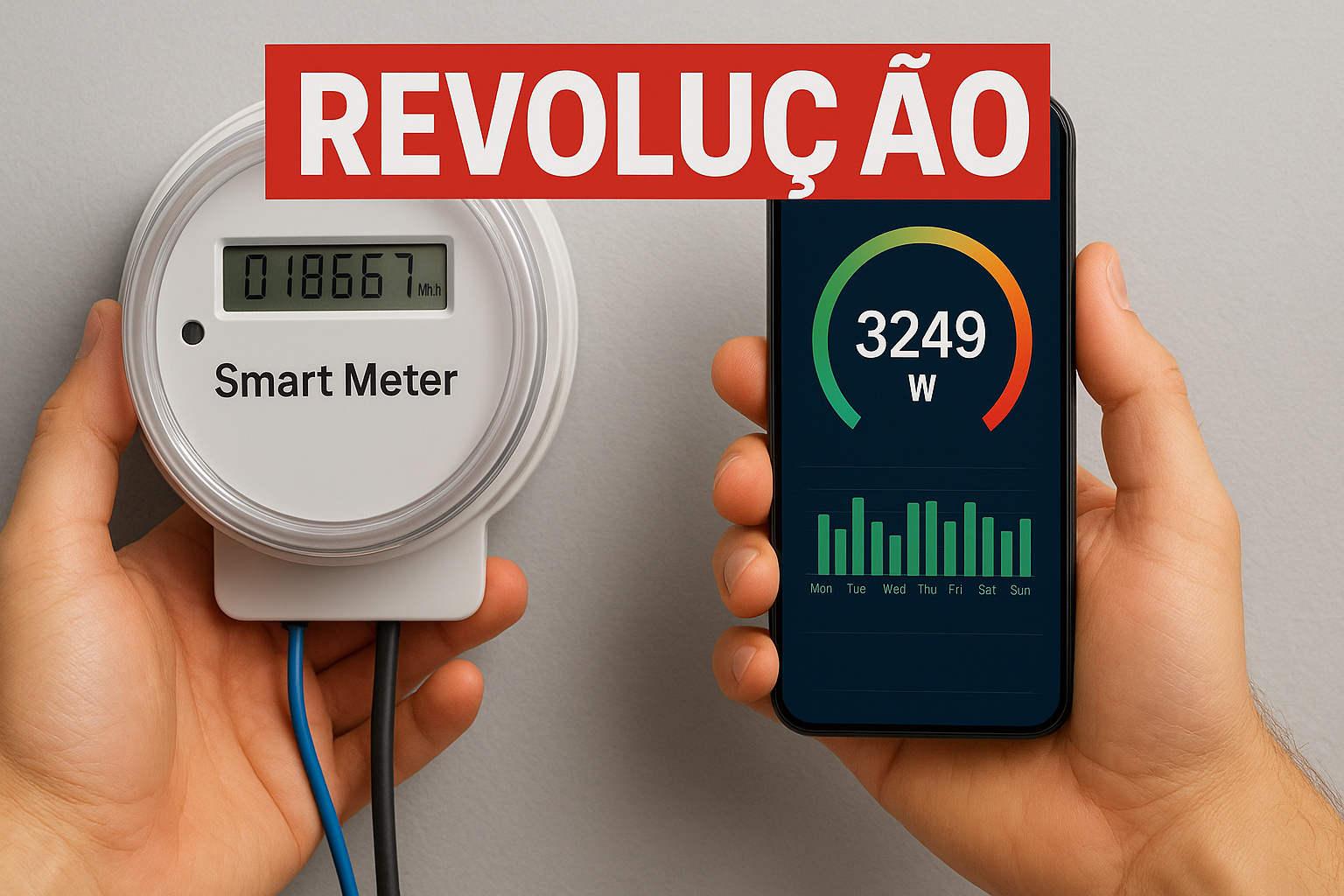

MME Starts Public Consultation for the Implementation of Smart Meters in Brazil and Evaluates Impacts on Energy Generation and Distributors.
MME Begins Consultation for the Implementation of Smart Meters
The Ministry of Mines and Energy (MME) announced this week the opening of a public consultation that marks the first step for the implementation of smart meters in Brazil.
The proposal stipulates that, within 12 months, 4% of consumer units from distributors will be equipped with the new devices.
The pilot project will be essential to measure the impacts of digitalization in the electric sector, evaluate the costs and benefits of the technology, and pave the way for national expansion.
-
Itaipu Dam Stuns Visitors with First Spillway Opening in 2026, Showcasing the Power of Water Once Again

-
USP researcher creates thesis to attract international funds for the country’s electric energy sector
-
Trafigura receives authorization from ANEEL to trade electricity in Brazil and expands its operations in the largest energy market in Latin America.
-
Mobile solar panels promised to share space with corn crops, but the 20% to 25% shade reduced production by an average of 7.7% and opened a new dispute between energy and food.


The change also aims to facilitate the adoption of time-based tariffs, allowing consumers to pay less when energy demand is lower.
How the Implementation of Smart Meters Will Work
According to the MME, smart meters will initially be owned by the distributors themselves, as is the case today.
The resources for installation should come from the Energy Efficiency Program (PEE), under the supervision of the National Electric Energy Agency (Aneel).
This strategy aims to reduce the tariff impact for the population.
Still, studies suggest that there will be an average increase of 0.93% in tariffs, a figure considered significant but low compared to the annual adjustments already applied in the sector.
Impact on Consumers and Distributors
The measure seems technical, but it directly impacts the daily lives of millions of Brazilians.
With smart meters, consumers can track their energy consumption in real time, identify waste, and also save by adjusting their use of appliances during off-peak hours when tariffs are lower.
On the other hand, distributors gain efficiency. The new devices eliminate the need for manual readings, reduce losses in the system, and simultaneously facilitate the identification of faults in the electrical network.
Where the Tests Will Be Conducted
The study that underpinned the MME’s proposal was conducted by PSR and Siglasul. For the initial phase, eight energy concessionaires were selected, considering criteria of regional diversity, size, and tariff level:
- Amazonas Energia
- Equatorial Pará
- Equatorial Alagoas
- Cemig
- Cocel
- Neoenergia Brasília
- Roraima Energia
- Energisa Rondônia
These companies will need to assess the impact of the implementation of smart meters and present cost-benefit analyses for their entire concession area.
Why the MME is Betting on This Change
According to a technical note from the ministry, despite the initial impact on tariffs, the structural benefits are permanent and can be decisive for the modernization of the sector. The document states:
“It is evident that the investment can be advantageous both for the sector and for society.”
The government’s assessment is that the measure will help modernize energy generation in Brazil, bringing transparency, efficiency, and more options to consumers.
The Future of Energy in Brazil with Smart Meters
If the pilot phase is successful, the government will expand the model to all regions of the country. Thus, the project will open up space for new tariff policies, stimulate the rational use of energy, and, at the same time, strengthen the digitalization of the sector.
This way, consumers will take greater control over their monthly expenses, will be able to adjust their consumption habits consciously, and, in addition, will participate actively in building a more sustainable and technological energy model.