






 Portuguese
  Spanish
  2 min of reading
  0 comments


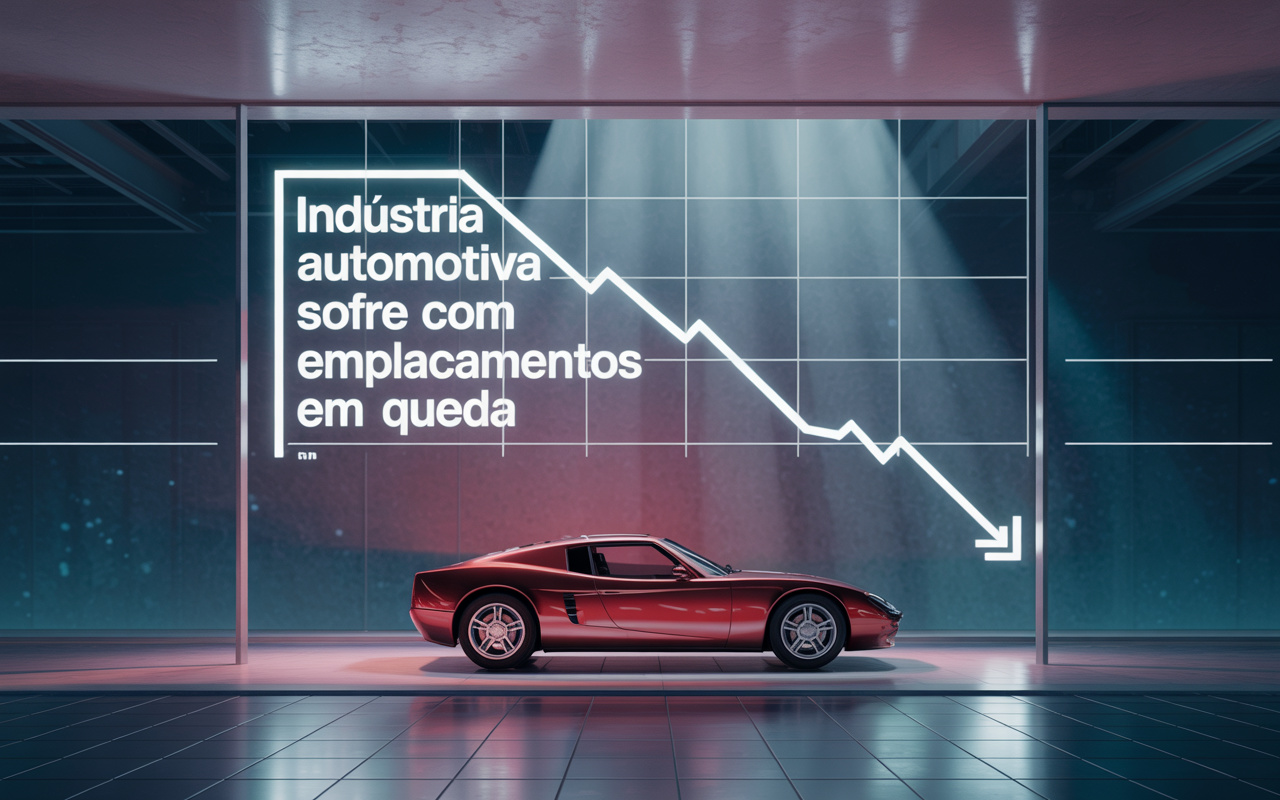
Automotive Market Reports 6.9% Decline in August. Fiat, Chevrolet, Toyota, and Jeep Among the Most Affected, While Volkswagen Surprised.
The Brazilian automotive market ended August with a warning sign. The total number of registrations was 214,380 vehicles, a decline of 6.9% compared to July and 3.8% compared to the same month last year. With fewer working days and consumers being more cautious in light of the unstable economy, automakers felt the impact. The downturn primarily affected the market leaders, showing that even the giants could not escape the negative scenario.
Most Affected Brands
August’s analysis shows that major automakers experienced significant declines in their sales:
- Fiat: decline of 10.34% in the monthly comparison. Despite leading the market, the brand lost momentum with just over 45 thousand units registered.
- Chevrolet: decline of 10.13% compared to July and a drop of nearly 22% compared to August 2024.
- Toyota: decrease of 9.64%, indicating that even brands considered stable were impacted.
- Jeep: decline of 9.19% and loss of two positions in the ranking, falling behind BYD, which continues to rise.
- Volkswagen: the big exception. While the market was declining, the brand grew 6.2% compared to August 2024, standing out positively.
Why Sales Declined in August
Three factors help explain the negative result for the month:
-
Uber Faces Shareholder Scrutiny as Board Accused of Ignoring Safety, Compliance, and Harassment Warnings Amid Over 3,500 U.S. Lawsuits

-
Ferrari’s First Electric Car Divides Fans, Priced at $630,000, Amid Concerns Over Limited Editions; Brand Clarifies It’s Not Just for Future Perks
-
BYD Dolphin Mini: The Electric Car That Defies Depreciation, Losing Only 3.58% in a Year and Becoming the Best-Selling Retail Model Under $22,000

-
Electric Car JAC E-JS4 Loses $19,000 in Value in One Year, Leading Record Depreciation of Used Cars in Brazil Due to Expensive Battery and New Models


Fewer Working Days — August had two fewer working days than July, naturally reducing the base for registrations.
Economic Uncertainties — high interest rates and low consumer confidence directly affected the pace of purchases.
Seasonal Effect — even with incentive programs like the Sustainable Car, the market could not maintain its recovery pace.
Ranking of Performance in August in the Automotive Sector
| Brand | Variation (Aug vs Jul) |
|---|---|
| Fiat | -10.34% |
| Chevrolet | -10.13% |
| Toyota | -9.64% |
| Jeep | -9.19% |
| Volkswagen | +6.2% (annual growth) |
What the Scenario Indicates
The decline in August reinforces that the automotive market is undergoing a phase of delicate adjustment.
- Consumers Are More Cautious, postponing vehicle upgrades even in the face of aggressive campaigns.
- SUVs and Pickups — which had been growth drivers — also recorded declines, showing the impact is widespread.
- Traditional Brands lost ground, opening up opportunities for new competitors, especially the Chinese brands that continue to advance.
August 2025 was a month of decline and contrast. While the total number of registrations fell by 6.9%, leading brands such as Fiat, Chevrolet, Toyota, and Jeep saw their sales plummet. The only exception was Volkswagen, which swam against the tide and managed to grow.
The result shows that the Brazilian market is more competitive and volatile than ever, and automakers will need to act quickly on pricing, marketing, and portfolio strategies if they want to finish the year on a positive note.






Be the first to react!