






 Portuguese
  Spanish


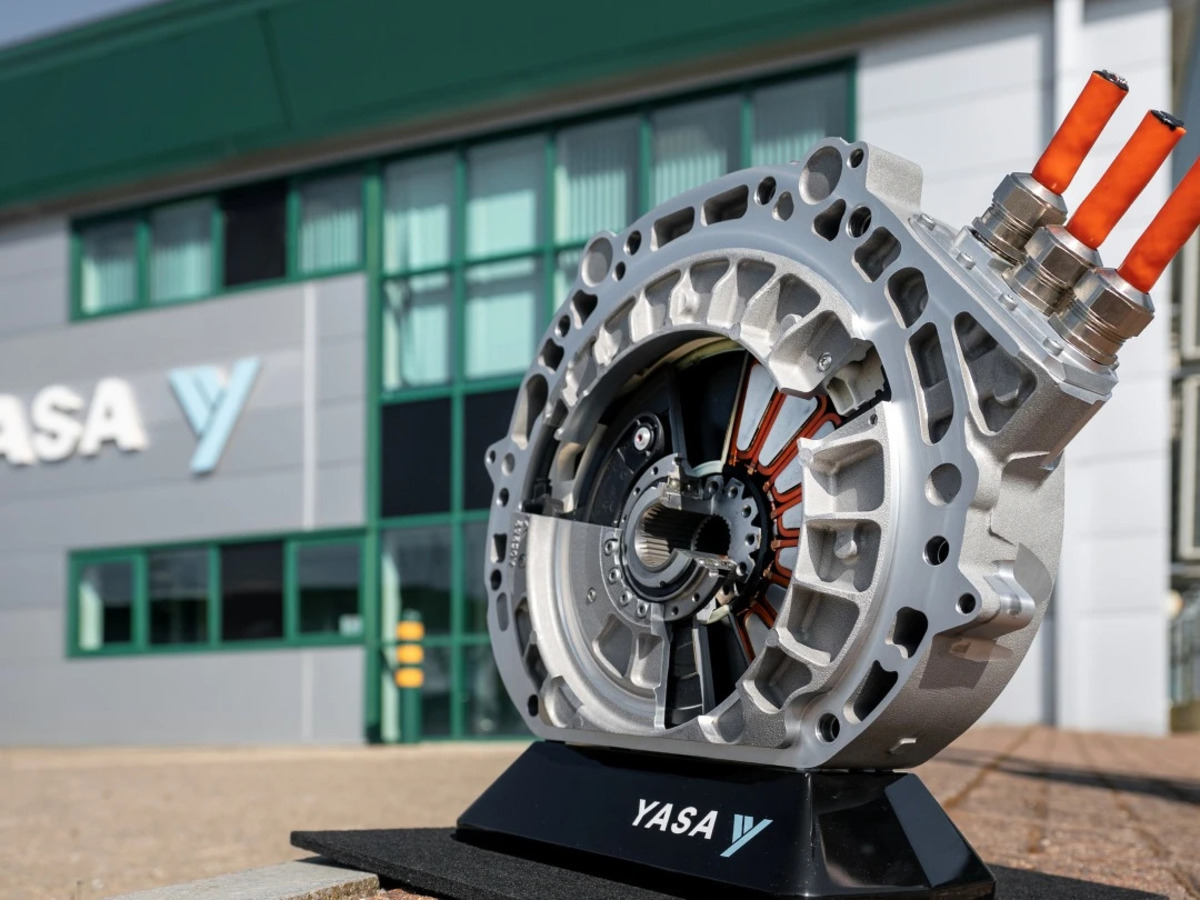


New Axial Motor from YASA Promises to Transform the Performance of Luxury Electric Cars, Combining Lightness, Power, and Technological Innovation!
Mercedes-Benz, through its British subsidiary YASA, has unveiled a new axial flow electric motor with an impressive 750 horsepower and a weight of just 13 kg.
The innovation was revealed in July 2025 and is already drawing attention for the impact it could have on the automotive industry.
The motor combines ultra-performance with a compact and lightweight design, characteristics that make it ideal for high-performance electric and hybrid vehicles.
-
End of an era in Brazil: beloved sedan by Brazilians is discontinued despite having a 2.0 engine with 151 hp, CVT transmission, 466-liter trunk, and up to 650 km of range.

-
New Law Proposal in Brazil Could Heavily Penalize Drivers: Dangerous Overtaking May Become a Serious Offense with Fines Increased Tenfold and a 12-Month License Suspension; Update on 2026 Progress

-
Electric Revolution: Watts W125 Motorcycle Offers 160 km Range, 90 km/h Speed, and Affordable Price Starting at $3,000
-
General Motors Replaces Over a Thousand Workers with 50 Cobots at Electric Vehicle Plant, UAW Union Criticizes Move Amid Industry’s Automation Push


This creation represents a significant technological leap, being able to offer up to four times more torque and double the power density when compared to conventional radial motors, widely used in most current electric vehicles.
According to YASA, which has been part of Mercedes-Benz since 2021, this innovation redefines the future of electric mobility.
Lighter, More Powerful, and with Superior Torque
The axial architecture of the new motor allows it to be 50% lighter and have only 20% of the depth of a traditional radial motor.
This structural efficiency not only improves performance but also increases the range of electric cars.
The concept is so revolutionary that it already powers super machines like the Ferrari SF90, 296 GTB, Koenigsegg Regera, and the recent Lamborghini Revuelto and Temerario.
Furthermore, the new electric motor can be directly integrated into the vehicle’s transmission, reducing the number of components and increasing energy efficiency.
This paves the way for more flexible, lightweight, and responsive automotive architectures, ideal for the future of hybrid and 100% electric cars.
Axial Flow Technology: The Mercedes-Benz Differentiator
The foundation of the innovation lies in the axial flow technology, developed and refined by YASA for over 15 years.
Unlike radial motors, which follow older standards, axial motors have a flat and compact design, optimizing space and performance.
This type of motor is strategic for vehicles that require quick response, extreme acceleration, and space efficiency.
By incorporating axial technology into its production line, Mercedes-Benz positions itself ahead in the race for premium automotive electrification.
Partnership with Luxury Brands and 1360 hp Concept
The know-how of YASA is already present in iconic models. Ferrari, for example, has adopted axial motors in the SF90 and 296 GTB, while Lamborghini has incorporated the technology in the super sports models Revuelto and Temerario.
The most powerful YASA motor concept developed reaches 1360 hp, demonstrating the scalability and potential of this technology in ultra-high-performance applications.
YASA emphasizes that this partnership with Mercedes-Benz not only accelerates innovation but also democratizes access to technology in future models, including in Mercedes’ own lines.
The idea is to expand the use of the axial electric motor to different segments, always prioritizing performance, lightness, and efficiency.
Impact on the Future of Electric Mobility
With the adoption of axial technology, Mercedes-Benz and YASA are presenting the industry with a new paradigm in electric mobility.
The lightness of the motor contributes to increased vehicle range, while the delivery of power and torque surpasses previous solutions. This represents a silent yet powerful revolution within the vaults and laboratories of major automakers.
The goal of Mercedes-Benz is clear: to redefine what is expected of an electric motor and propel a new era of sustainable cars without compromising performance.
The company bets that this technology will be a game-changer in the next generation of luxury and electrified sports cars.








Agora só resta produzir em grande escala, diminuir custos e passar a ser utilizado em veículos elétricos de custo menor… É assim que caminha a humanidade! O que hoje é proibitivo amanhã será coisa comum…
O problema nunca foi o motor elétrico, mas sim o modo de “guardar” energia.
A questão não solucionada está na bateria ou na produção embarcada da energia.