Portuguese
  Spanish


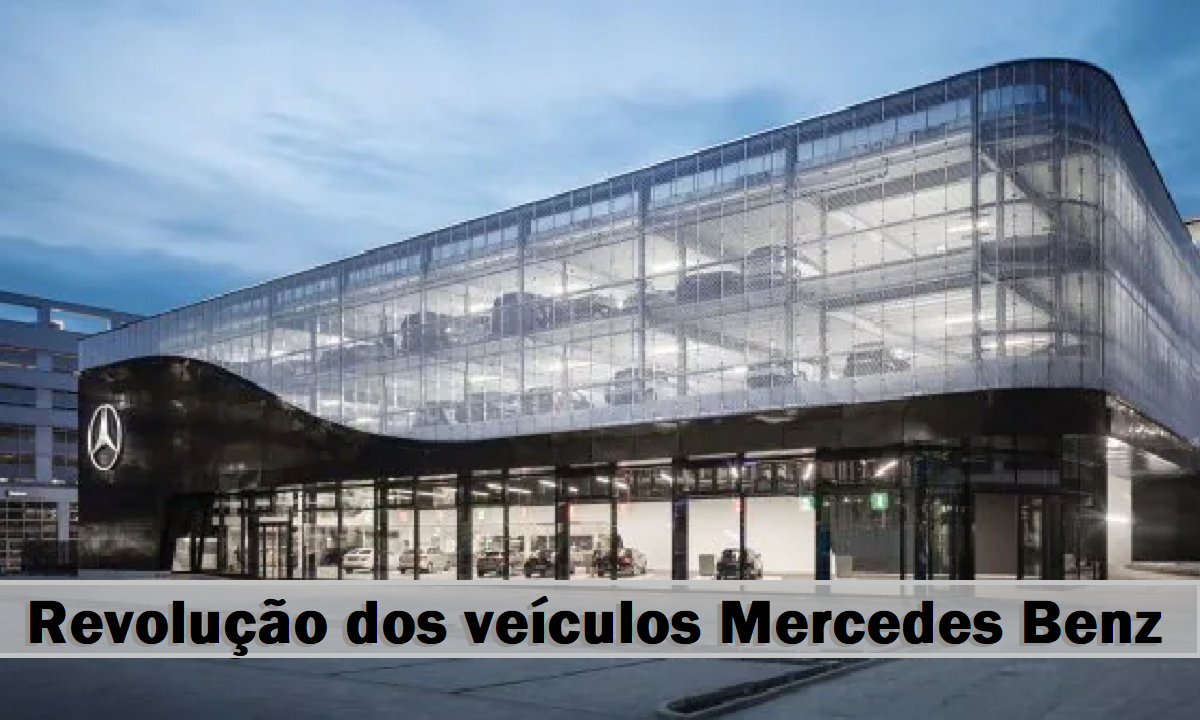

According to Mercedes Benz, the main goal of the brand’s technology is to halve the number of deaths and accidents involving its vehicles
The German automaker Mercedes Benz already has a date for the launch of its newest technology: vehicles that are proof against fatal accidents. However, ensuring that vehicles can “see” the dangers of the roads is not an easy task. As intelligent as they may be, the safety systems of these vehicles still struggle with certain situations and end up causing accidents.
To achieve the main goal, the company is delving deeper into occupant and pedestrian protection, with Mercedes Benz already having established a plan for the technology: zero fatal accidents by 2050.
According to Paul Dick, head of vehicle safety at the German automaker, the goal is to create an accident-proof driving system: “Highly automated driving will be crucial to its success,” he asserts.
-
Hilux’s little sister: Toyota relaunches the Land Cruiser 70 in the 2027 lineup with over 40 years of production, a 2.8 turbo diesel engine with 201 hp and 51 kgfm, a six-speed automatic transmission, and a renewed retro look.

-
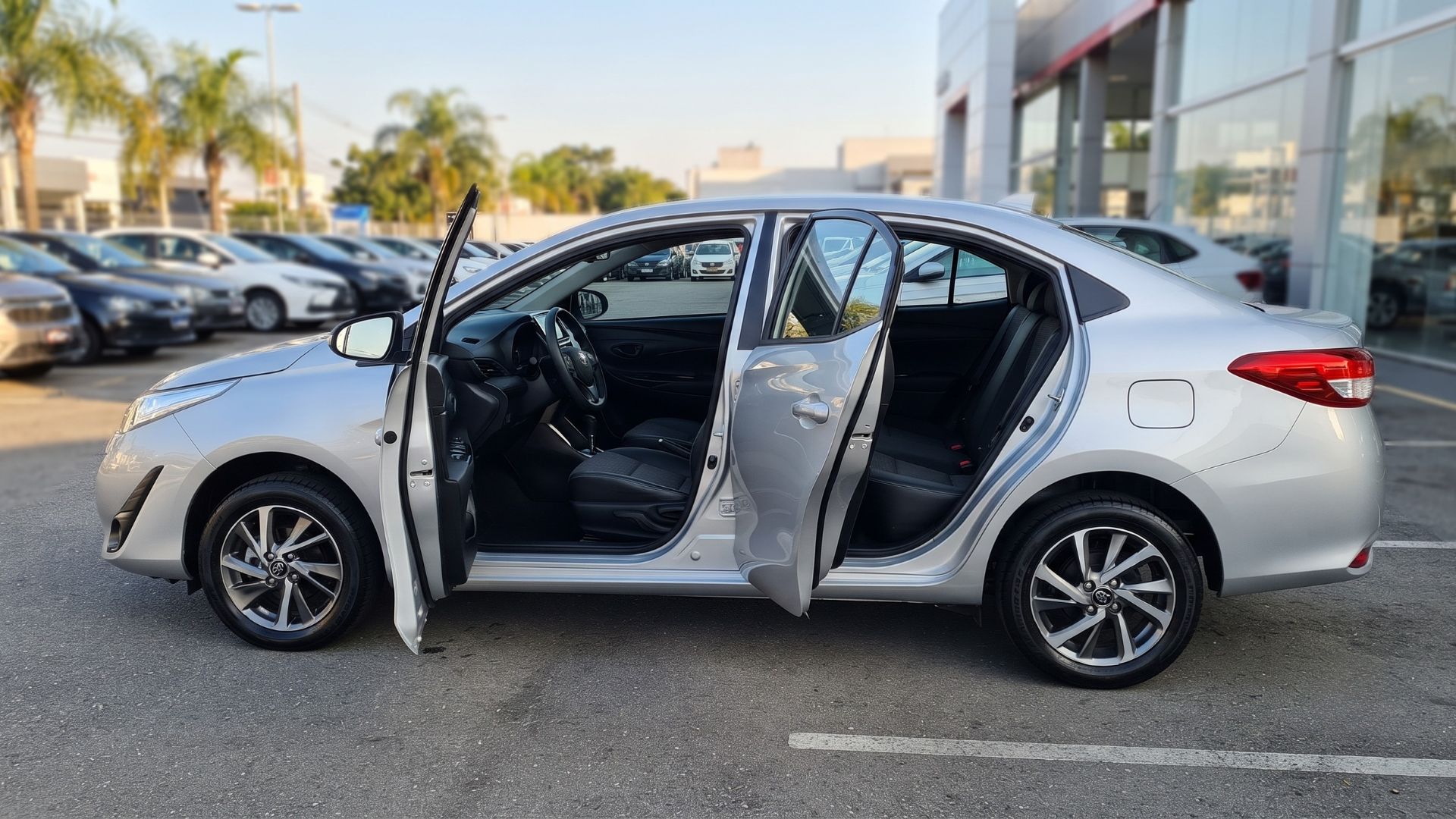
Automatic, economical, and known for reliability: with a 1.5 engine of up to 110 hp, CVT transmission, seven airbags, and fuel consumption of up to 15.9 km/l, this used hatchback appears as a rational alternative to Polo, HB20, and Onix; meet the Toyota Yaris XLS 2020.
-
He surpassed the Tera, Creta, and Tracker: With a TSI engine of up to 150 hp, 6-speed automatic transmission, and a 373-liter trunk, the Volkswagen T-Cross was the best-selling SUV in June, with 11,753 registrations.

-
It looks factory-made, but it came out of a workshop: a mechanic from Pernambuco builds a handcrafted “mini Toyota,” drives it through the streets, and the video goes viral on social media, leaving residents astonished.



Meet The Futuristic Vehicle From Mercedes Benz!

Mercedes Benz Strategies
The automaker aims to achieve the brand’s goal by transitioning through a new automotive management and safety platform, the “MB.OS.” The idea is to have a more advanced control base that can immediately respond to data provided by the sensors installed in the vehicle, which does not currently happen, according to Mercedes.
The other strong point of the equipment will be the “Road Safety Dashboard” (or RSD), which will be capable of assessing, in real time, statistics on road incidents and avoiding traffic in risk areas. The technology is already undergoing testing in London.
The “Mercedes-Benz Road Safety Dashboard” will show potential collision hotspots on an easily accessible road map with plenty of information about vulnerable and unprotected road users (pedestrians and cyclists), according to the company’s statement about the technology.
Goals to Be Met
Another step toward achieving the central objective of the company is the reduction of the number of deaths and serious injuries in collisions involving the brand’s vehicles by 2030 (considering the numbers from 2020 as a baseline).
The initiative, named “Vision Zero,” is also related to the collaboration of different traffic institutions to improve these statistics on the roads, concludes Mercedes.